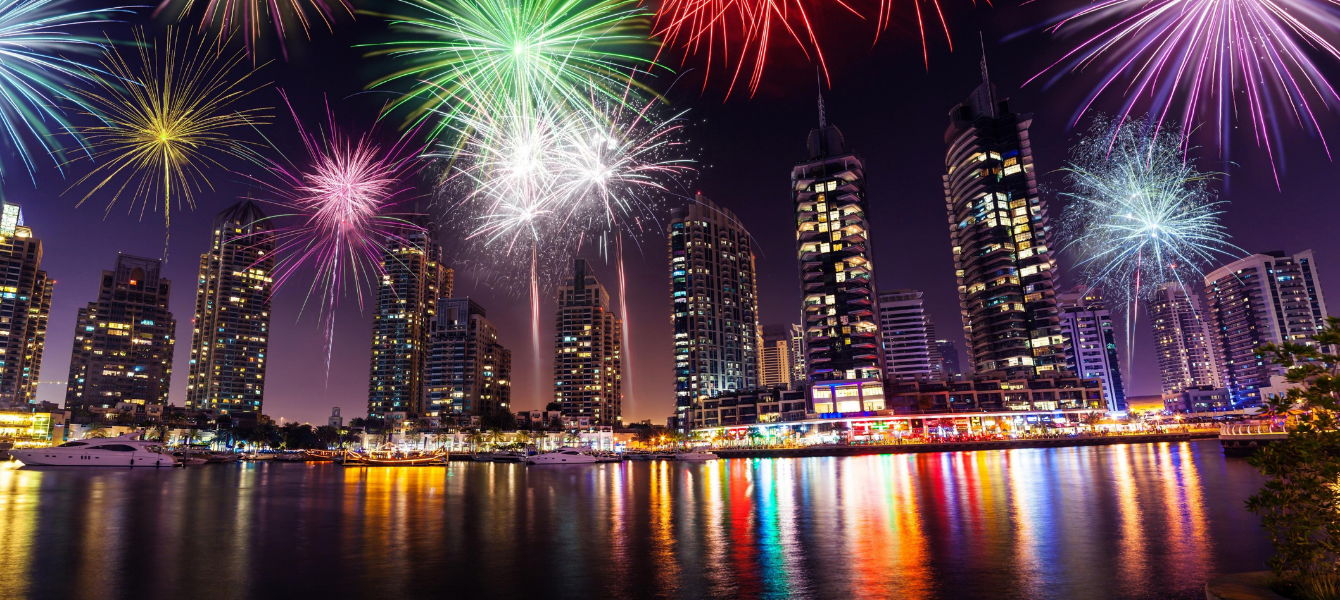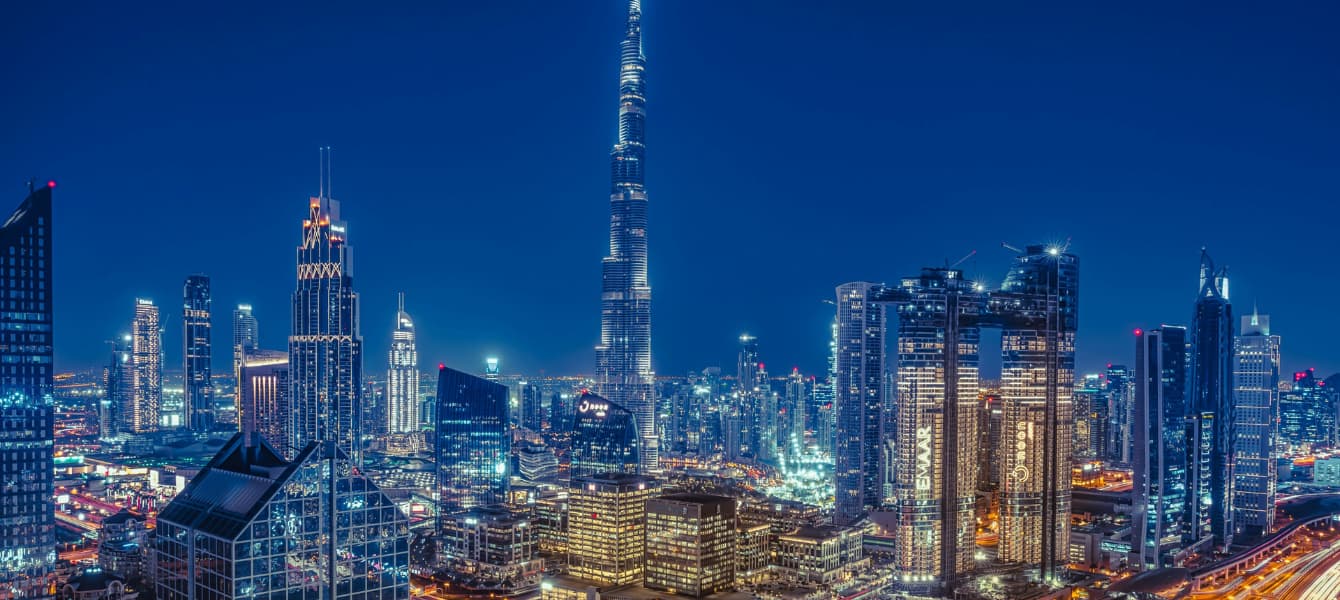
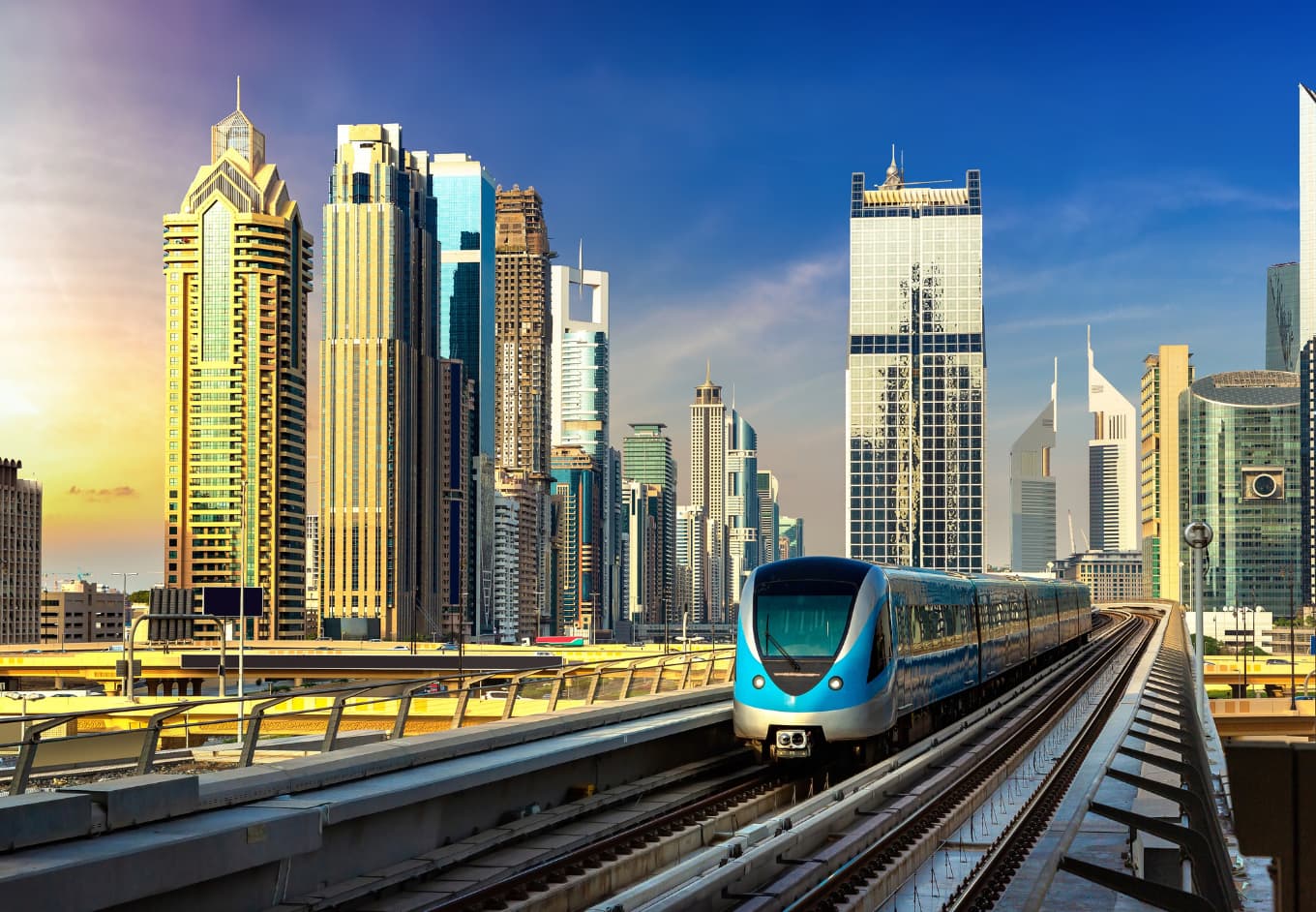
The Dubai Metro, a marvel of modern engineering and urban planning, stands as a testament to the city’s rapid growth and innovation. Launched in 2009, this fully automated, driverless metro system efficiently connects the sprawling metropolis, offering residents and visitors a fast, reliable, and sustainable mode of transportation.
Quick Jumplinks
Dubai Metro: Key Information
🗓 Launch Date: The Dubai Metro was officially inaugurated on September 9, 2009.
🧑🏽💻 Operator: Operated by the Roads and Transport Authority (RTA) of Dubai.
🚇 Lines:
Red Line: Runs along Sheikh Zayed Road.
Green Line: Covers the older parts of Dubai including Deira and Bur Dubai.
Route 2020: An extension of the Red Line to the Expo 2020 site.
📏 Length: Approximately 90 kilometres (including Route 2020 extension).
🚉 Stations: Red Line: 29 stations. Green Line: 20 stations. Route 2020: 7 stations.
🚈 Type: Fully automated, driverless metro system.
🕗 Operational Hours:
Saturday to Wednesday: 5 AM to midnight.
Thursday: 5 AM to 1 AM.
Friday: 10 AM to 1 AM.
The Dubai Metro Network
The Dubai Metro network is an extensive and well-planned system, primarily consisting of the Red Line and the Green Line. The Red Line runs along Sheikh Zayed Road, connecting major hubs like Jebel Ali and the Dubai International Airport. The Green Line covers the older parts of the city, including Deira and Bur Dubai, and intersects with the Red Line at several key interchange stations.
Dubai Metro Red Line and Green Line
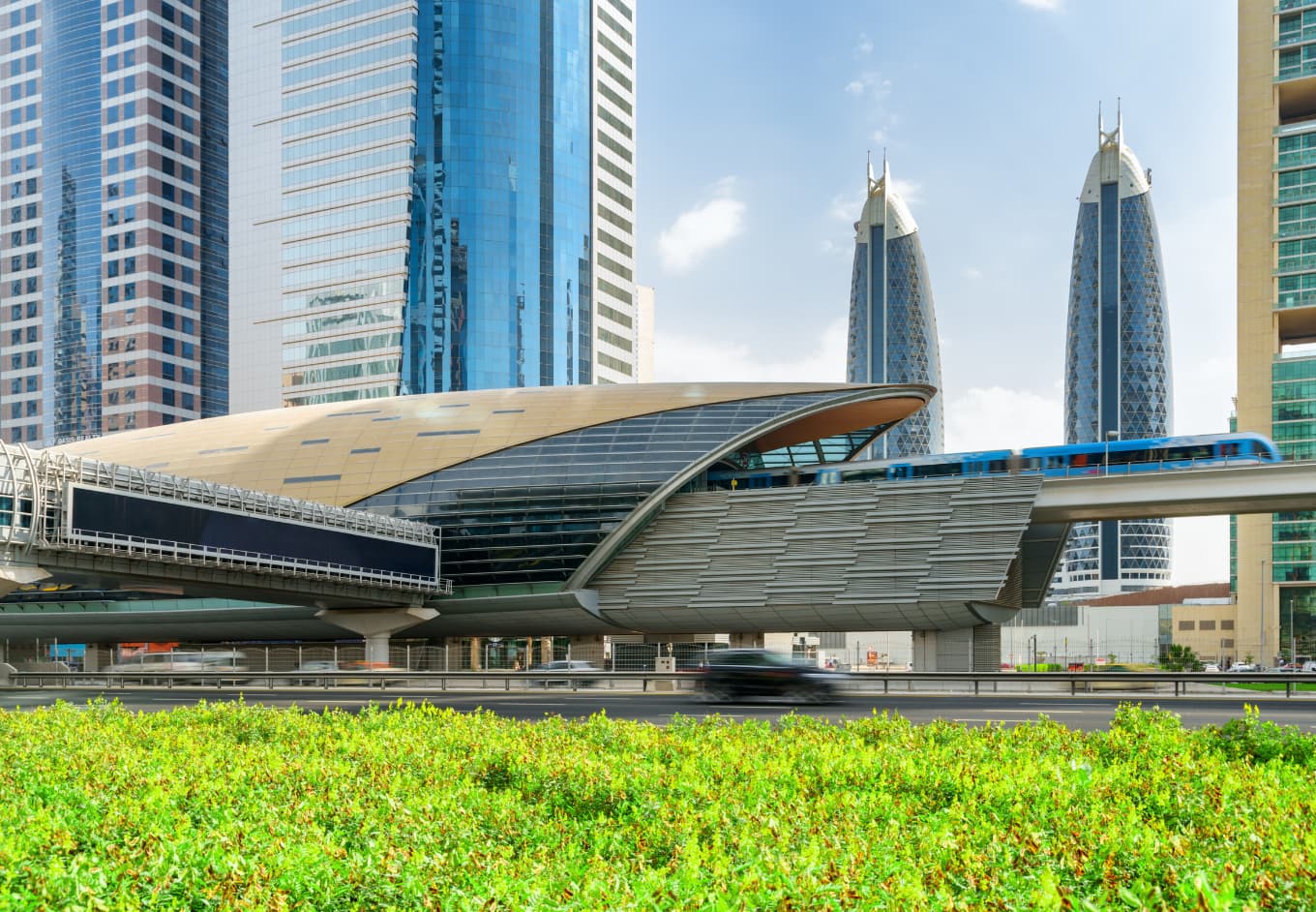
The Red Line is the longest, with 29 stations including iconic landmarks like the Dubai Marina, Jumeirah Lakes Towers, and the Dubai Creek Harbour. The Green Line, with 20 stations, covers significant areas such as the Dubai Airport Free Zone and Academic City. Both lines offer seamless connectivity through interchange stations like Union and BurJuman, enabling easy transfers between the Red and Green lines.
Key Stations and Landmarks
Dubai International Airport: One of the busiest metro station, providing direct access to the airport terminals.
Deira City Center: A key shopping destination located on the Red Line.
Business Bay: A bustling business district served by the Red Line.
Dubai Marina: A picturesque area with stunning waterfront views, accessible via the Red Line.
Dubai Creek Harbour: An emerging urban area along the Green Line.
Al Ras: A station rich in historical sites and cultural heritage.
Centrepoint Station: The eastern terminus of the Red Line.
UAE Exchange: The final station on the western end of the Red Line.
Jebel Ali: A significant industrial area and port on the Red Line.
Dubai Festival City: A major shopping and leisure destination accessible via the Green Line.
Ticketing and Nol Cards
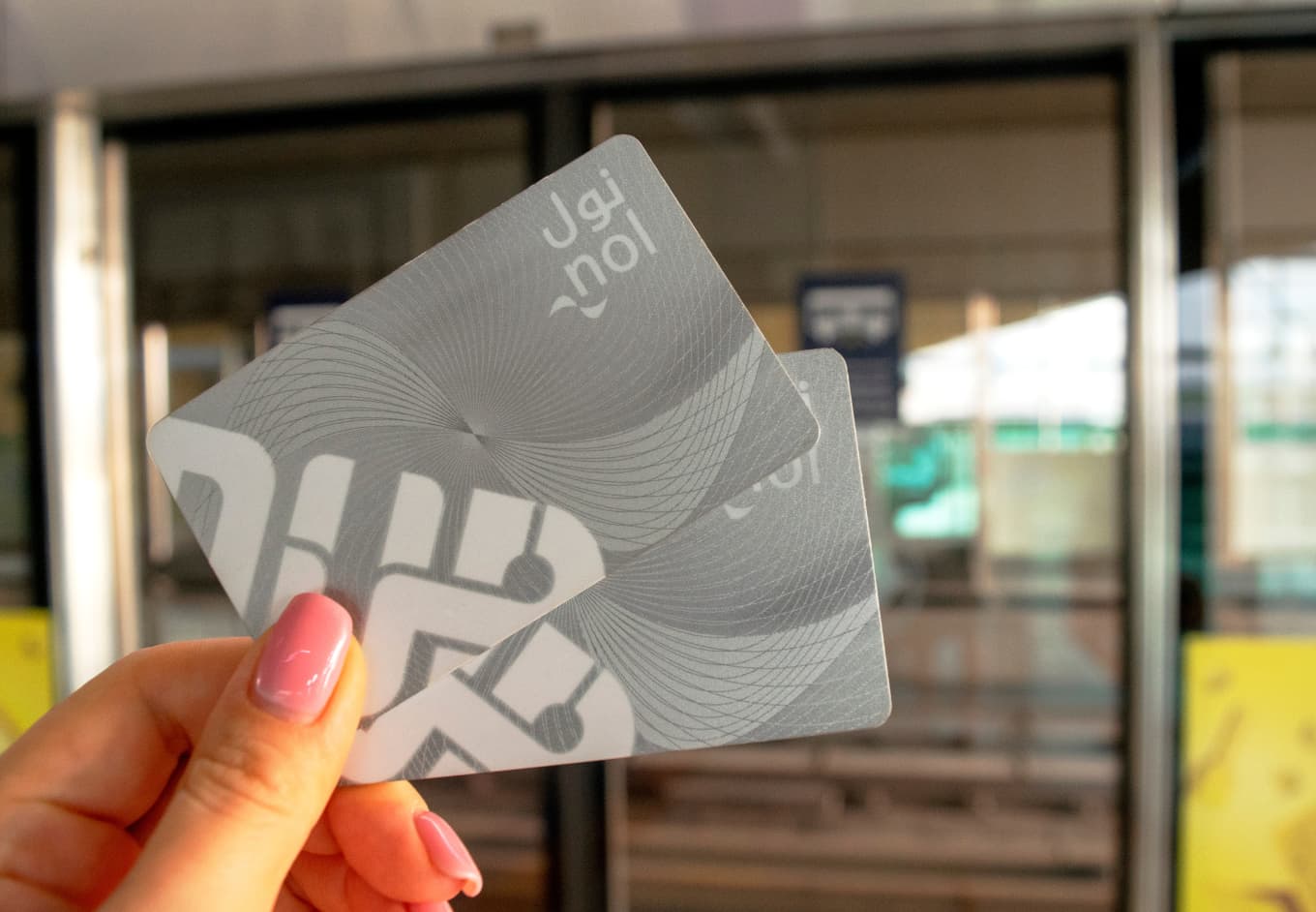
Traveling on the Dubai Metro requires a Nol card, available in several types: Silver, Gold, Blue, and Red Ticket. Each card serves different purposes, from standard adult tickets to specific season tickets. The Silver Class offers standard travel, while the Gold Class provides a more luxurious experience with dedicated spaces and air conditioning. Metro users can recharge their Nol cards with either a balance or a day pass, ensuring convenience for all passengers.
Metro Station Facilities
Dubai Metro stations are equipped with a range of facilities to enhance the travel experience. Key features include:
- Air Conditioning: Ensures comfort during the city’s hot months.
- Dedicated Spaces for Wheelchair Users: Accessibility is a priority.
- Wi-Fi: Available in stations and on trains.
- Retail Outlets: Shops and cafes are present at major stations like Deira City Center and Business Bay.
- Parking Facilities: Provided at various stations for those who drive to the metro.
Operational Efficiency of the Dubai Metro
The Dubai Metro operates efficiently with trains running every 4 to 7 minutes during peak hours. The entire network is designed to minimize traffic congestion and provide a reliable alternative to road travel. The Transport Authority ensures smooth operations, supported by advanced technology like corresponding flashing light signals for safety and navigation.
Expansion and Future Plans of the Dubai Metro
The Dubai Metro train network continues to expand, with new lines and extensions planned. The Route 2020 extension connects the metro to the Expo 2020 site, highlighting Dubai’s commitment to continuous improvement and innovation in public transport.
Impact on Traffic and Environment
The Dubai Metro has significantly reduced traffic congestion and lowered carbon emissions, contributing to a more sustainable and eco-friendly city. The Transport Authority continuously works on improving the metro system to enhance its efficiency and environmental benefits.
The Dubai Metro stations reflect the city’s rich heritage and modern ambitions. Stations like Al Ras and Business Bay showcase a blend of historical significance and contemporary development.
FAQs
Can I take luggage on the Dubai Metro?
Yes, passengers can carry luggage on the Dubai Metro. However, it’s advisable to avoid large or heavy bags during peak hours to ensure a comfortable journey for all passengers.
Is there a specific dress code for riding the Dubai Metro?
While there is no strict dress code, it is recommended to dress modestly in accordance with Dubai’s cultural norms. This generally means covering shoulders and knees, especially when traveling to or from religious or historical sites.
Are there any discounts available for students or senior citizens?
Yes, the Dubai Metro offers discounts for students, senior citizens, and people of determination (persons with disabilities) through the Blue Nol card, which provides reduced fares and other benefits.
How can I find the nearest metro station to my location?
You can find the nearest metro station using the RTA’s mobile app or website, which provides real-time information and maps of the Dubai Metro network, including station locations and routes.