Wadi Hanifa, nestled in the heart of Riyadh, is a sprawling valley offering a serene escape from the bustling city life. Known for its lush landscapes, man-made lakes, and diverse wildlife, it is a haven for outdoor enthusiasts and nature lovers. Whether you’re hiking, cycling, or simply picnicking by the water, Wadi Hanifa promises a refreshing retreat amidst natural beauty.
Quick Jumplinks
Wadi Hanifa: In A Nutshell
📍Location: Wadi Hanifa runs through the western part of Riyadh, starting from the northwest of the city and extending southeast.
It passes through several districts, including Diriyah, Al Ha’ir, and the Diplomatic Quarter.
🗺️ Nearby Landmarks:
Diriyah: The historical area of Diriyah, which is a UNESCO World Heritage site, is located near the northern part of Wadi Hanifa.
Diplomatic Quarter: A prominent district in Riyadh, located near the central section of Wadi Hanifa.
🚗 How to Get There:
By Car: Wadi Hanifa is easily accessible by car from central Riyadh. It is approximately a 30-40 minute drive from the city center.
By Taxi: Taxis are readily available in Riyadh, and you can use ride-hailing apps like Uber or Careem to reach Wadi Hanifa.
🍂 Best Time to Visit:
Seasons: The best time to visit is during the cooler months from October to April.
Weather: Visit during the early morning or late afternoon to avoid the midday heat, especially in summer.
⏱ Timings: Wadi Hanifa is open 24/7, allowing visitors to enjoy the area at any time of the day or night.
🏞 Key Attractions:
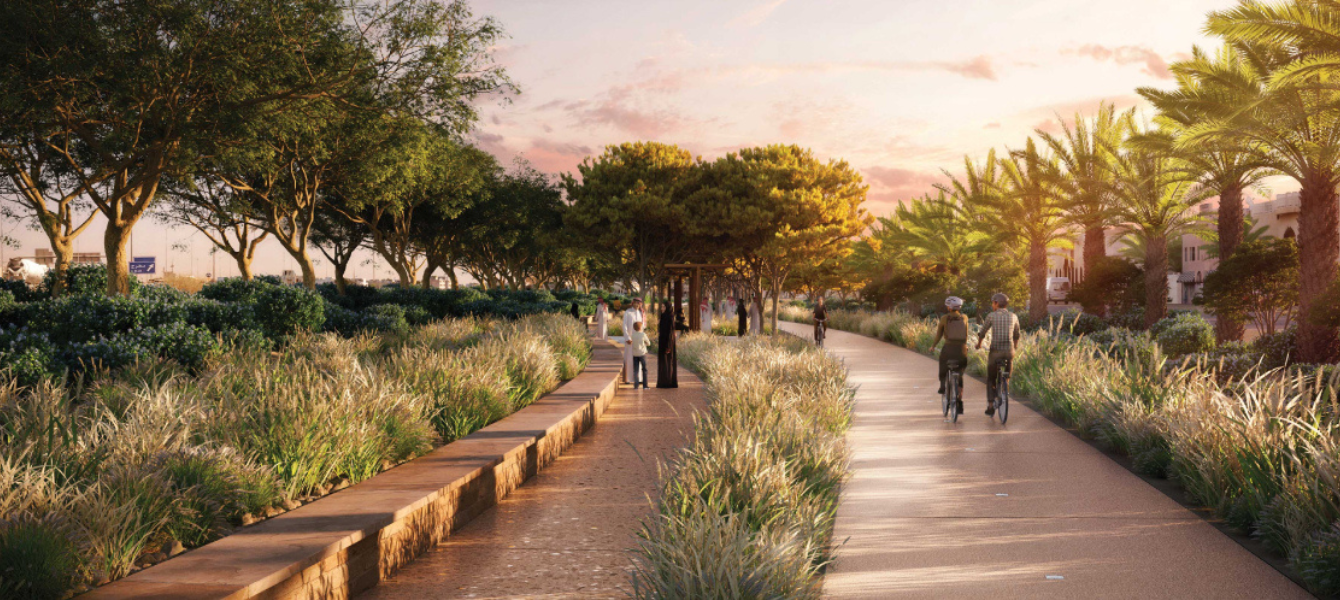
Walking and Cycling Paths: Well-maintained paths for walking and cycling.
Picnic Spots: Several shaded areas perfect for picnics and family gatherings.
Lakes and Water Features: Man-made lakes and water features add to the scenic beauty.
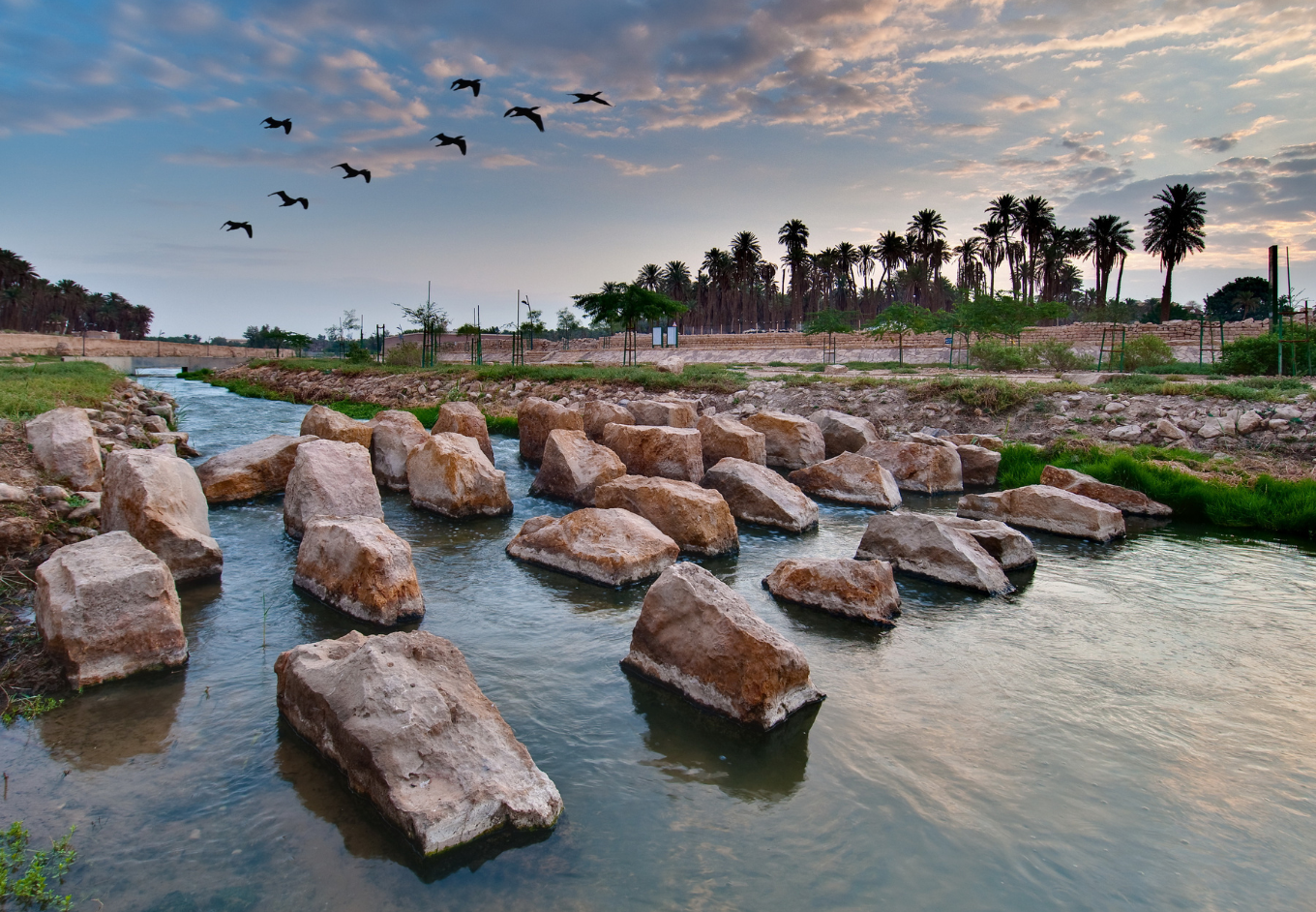
Wildlife: Opportunities to spot local wildlife, including birds.
🚴 Activities:
Hiking: Trails of varying difficulty for hiking enthusiasts.
Cycling: Dedicated cycling paths.
Bird Watching: Ideal for bird watchers due to the diverse bird population.
Photography: Beautiful landscapes and wildlife make it a great spot for photography.
A Desert Oasis in Riyadh
The comprehensive development plan, spearheaded by the Arriyadh Development Authority, has transformed this once dry region into a vibrant ecosystem, supporting both recreational activities and environmental preservation. Wadi Hanifa stretches across the Najd Plateau, running through the heart of Riyadh city. Historically, this wadi served as a natural water drainage system, channeling water from the surrounding desert tablelands.
Over time, urban expansion and industrial activities degraded the valley, disrupting its natural balance and biodiversity. The royal commission, in collaboration with planning consultants like Teshima Planners, initiated the Wadi Hanifa development plan to restore the valley’s ecological integrity and enhance its recreational value.
Rehabilitation and Environmental Management
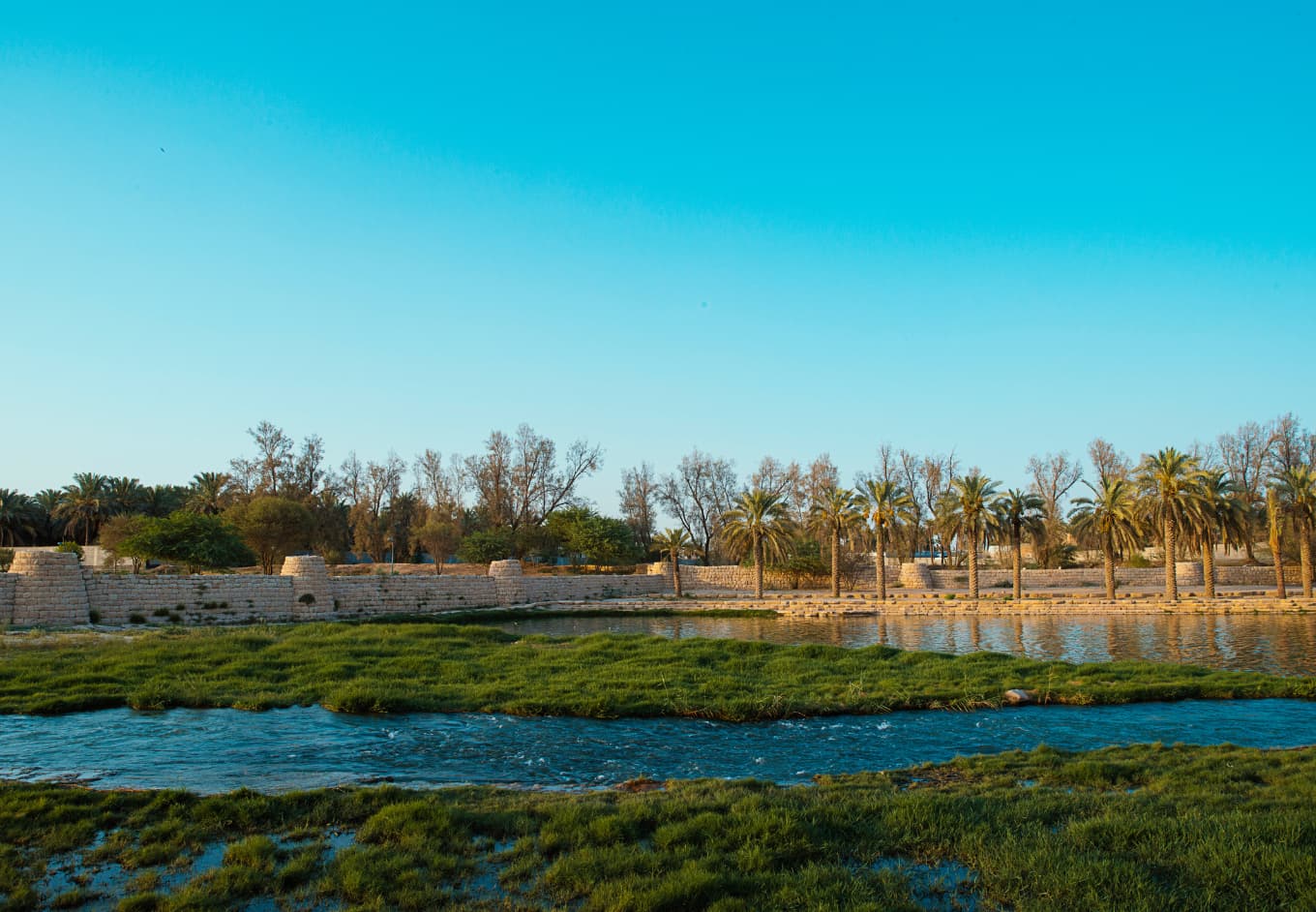
The Wadi Hanifa environmental rehabilitation program is a testament to successful environmental management and sustainable urban development. The key elements of this transformation include the construction of the Wadi Hanifa Dam Park, the establishment of the bioremediation facility park, and the creation of numerous recreational trails and public spaces. These efforts have revitalised the wadi, making it a thriving habitat for aquatic organisms and migratory birds.
Water Resources and Bioremediation
Central to the Wadi Hanifa development plan is the effective water resources management. The wadi’s natural water drainage system has been restored, allowing for the sustainable flow of water through its various tributaries and lakes. Factories Lake Park, a notable feature within Wadi Hanifa, demonstrates the innovative use of bioremediation techniques to cleanse polluted waters. This park, along with other bioremediation facilities, plays a crucial role in maintaining the wadi’s water quality and supporting its diverse ecosystems.
Recreational Opportunities and Visitor Experience
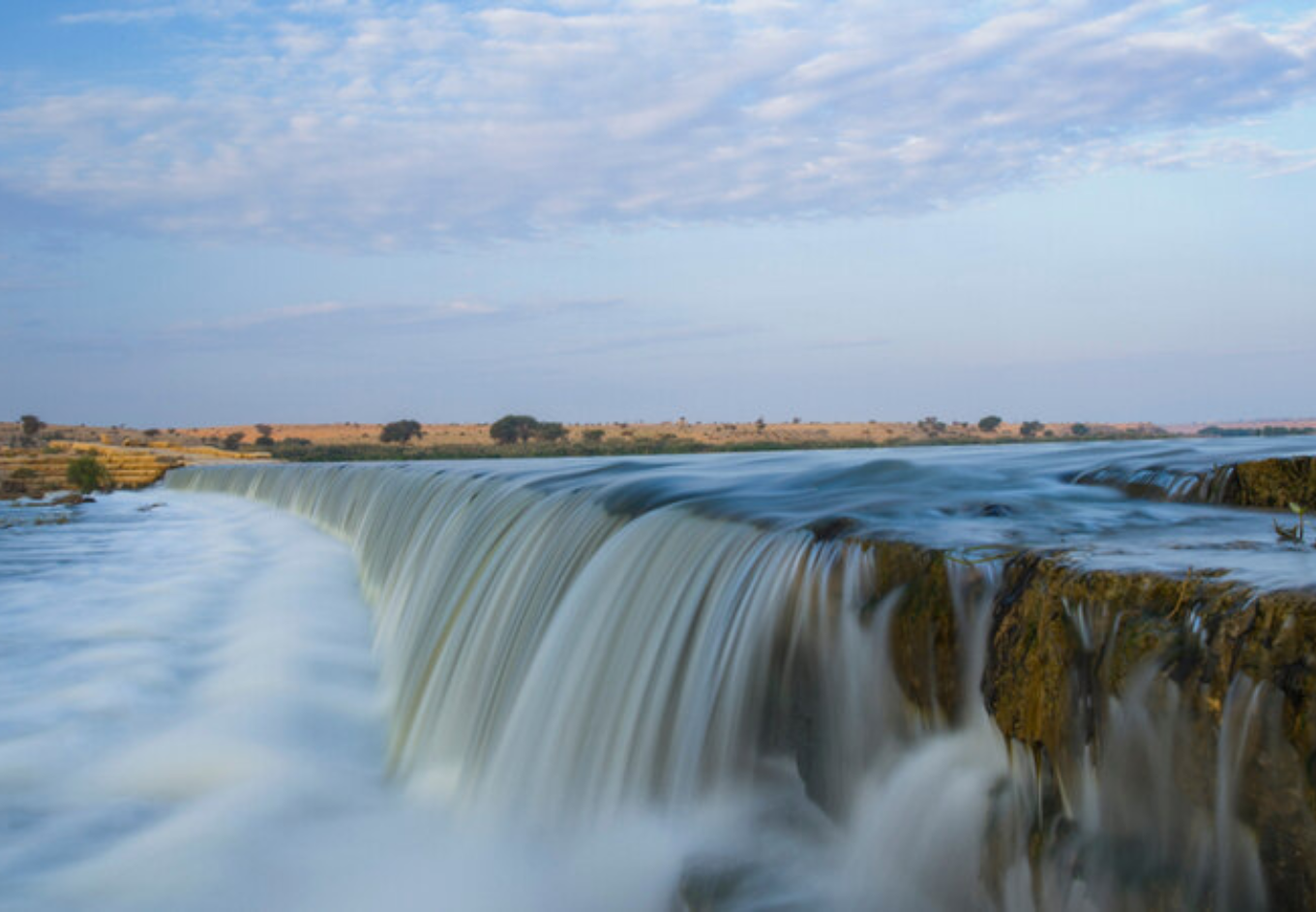
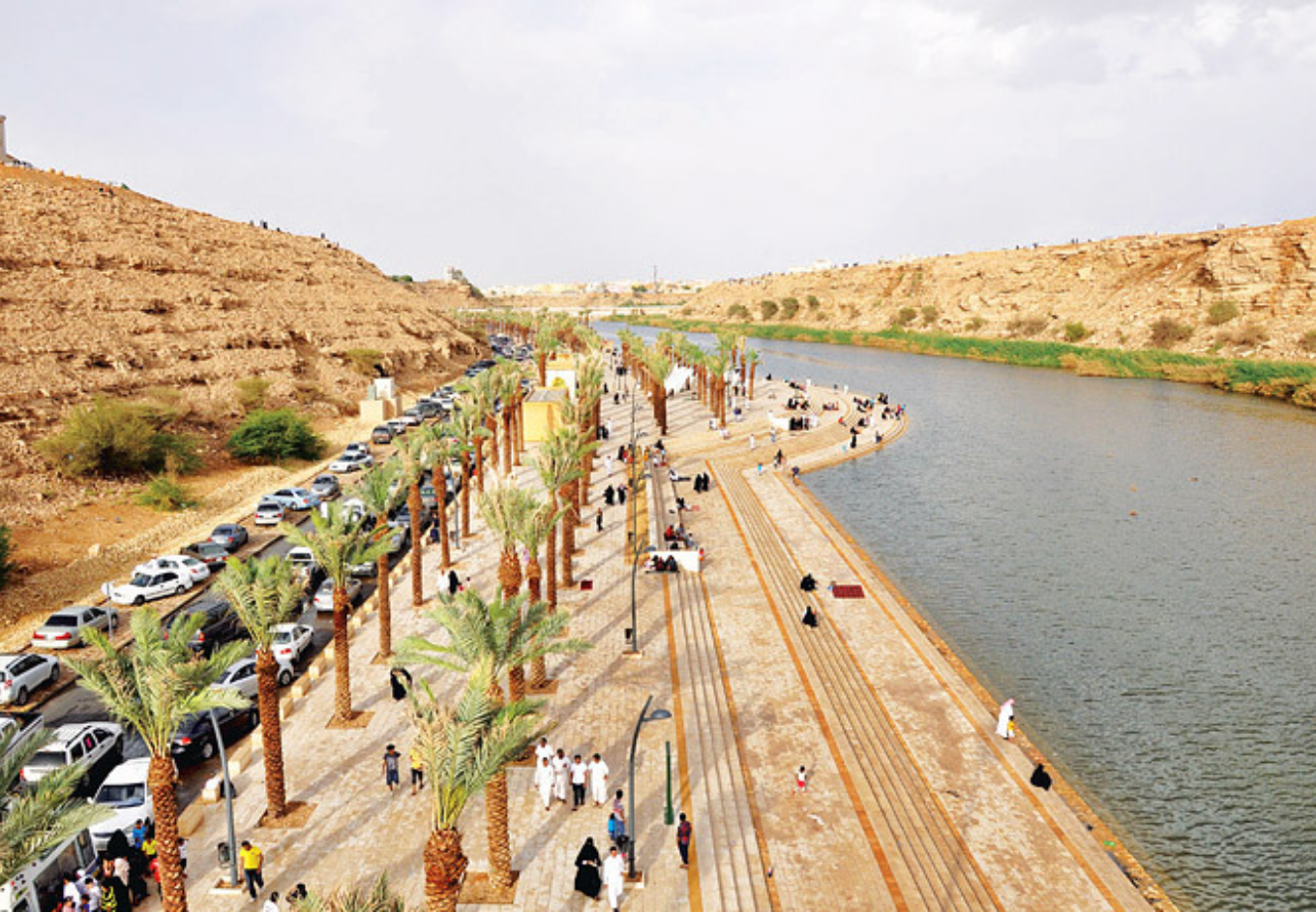
Wadi Hanifa offers a plethora of recreational opportunities for both local and foreign visitors. The valley is adorned with scenic trails, perfect for hiking, cycling, and leisurely walks. Parks and picnic areas, equipped with amenities, provide ideal spots for family outings and social gatherings. The Wadi Hanifah Dam Park, in particular, is a popular destination, offering breathtaking views and tranquil surroundings.
Sustainable Development and Urban Integration
The Wadi Hanifa project exemplifies the integration of sustainable development practices within an urban context. The use of local materials, such as Riyadh stone, in construction and landscaping ensures that the valley retains its natural aesthetic. Infrastructure improvements, including the development of a comprehensive road network, facilitate easy access to the wadi while minimizing environmental impact. The careful planning and execution of these projects reflect a commitment to preserving the valley’s natural beauty while accommodating the needs of a rapidly growing city.
Economic and Social Benefits
The rehabilitation of Wadi Hanifa has generated significant economic and social benefits for Riyadh. The valley has become a major tourist attraction, drawing visitors from across Saudi Arabia and beyond. This influx of tourists has spurred economic activity, creating jobs and boosting local businesses. Additionally, the availability of green spaces and recreational facilities has enhanced the quality of life for Riyadh residents, promoting physical activity and social interaction.
Challenges and Lessons Learned
Despite its success, the Wadi Hanifa project has faced challenges. Balancing urban development with environmental preservation requires careful planning and continuous monitoring. The fluctuating water table and seasonal variations in water flow necessitate adaptive management strategies. Furthermore, ensuring the long-term sustainability of the wadi’s ecosystems amidst ongoing urbanisation remains a priority. The Wadi Hanifa experience underscores the potential for transforming degraded natural landscapes into thriving ecological and recreational assets through innovative and sustainable approaches.
Best Stay Options Nearby
When visiting Wadi Hanifa, there are several excellent accommodation options nearby that cater to various preferences and budgets. The Four Seasons Hotel Riyadh at Kingdom Centre offers luxury and convenience with stunning city views. For a blend of comfort and modern amenities, the Hyatt Regency Riyadh Olaya is a great choice, providing easy access to both the wadi and the city center. Al Faisaliah Hotel is another upscale option, known for its exceptional service and elegant ambiance.
If you prefer a more boutique experience, the Vivienda Hotel Villas offers private villas with a homely touch. For those seeking budget-friendly options, Ibis Riyadh Olaya Street provides comfortable and affordable accommodations. These hotels ensure a pleasant stay while you explore the natural beauty of Wadi Hanifa and its surroundings.
FAQs
Are there any guided tours available at Wadi Hanifa?
Yes, there are guided tours available at Wadi Hanifa. Local tour operators offer guided hiking and cycling tours, providing insights into the valley’s history, ecology, and rehabilitation efforts.
Is Wadi Hanifa accessible for people with disabilities?
Wadi Hanifa is equipped with several accessible paths and facilities to accommodate visitors with disabilities.
Can you swim in the lakes at Wadi Hanifa?
Swimming is not permitted in the lakes at Wadi Hanifa to ensure the safety of visitors and protect the water quality and aquatic ecosystems.
Are pets allowed in Wadi Hanifa?
Yes, pets are allowed in Wadi Hanifa, but they must be kept on a leash at all times. Pet owners are also expected to clean up after their pets to maintain the cleanliness and environmental health of the area.