CuddlyNest is the world's largest vacation rental search engine, comparing millions of accommodations across 200+ booking sites. Our editorial team of seasoned travelers and local experts shares insider tips, destination guides, and travel inspiration to help you plan the perfect trip — whether you're booking a cozy cabin, a beachfront villa, or an apartment in the heart of the city.
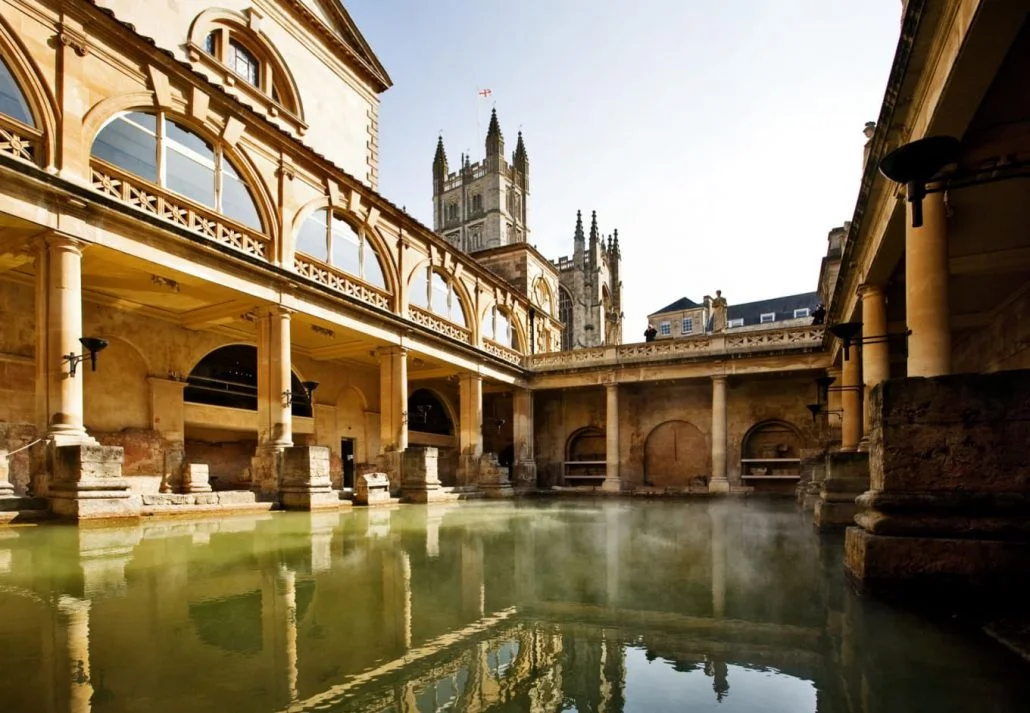
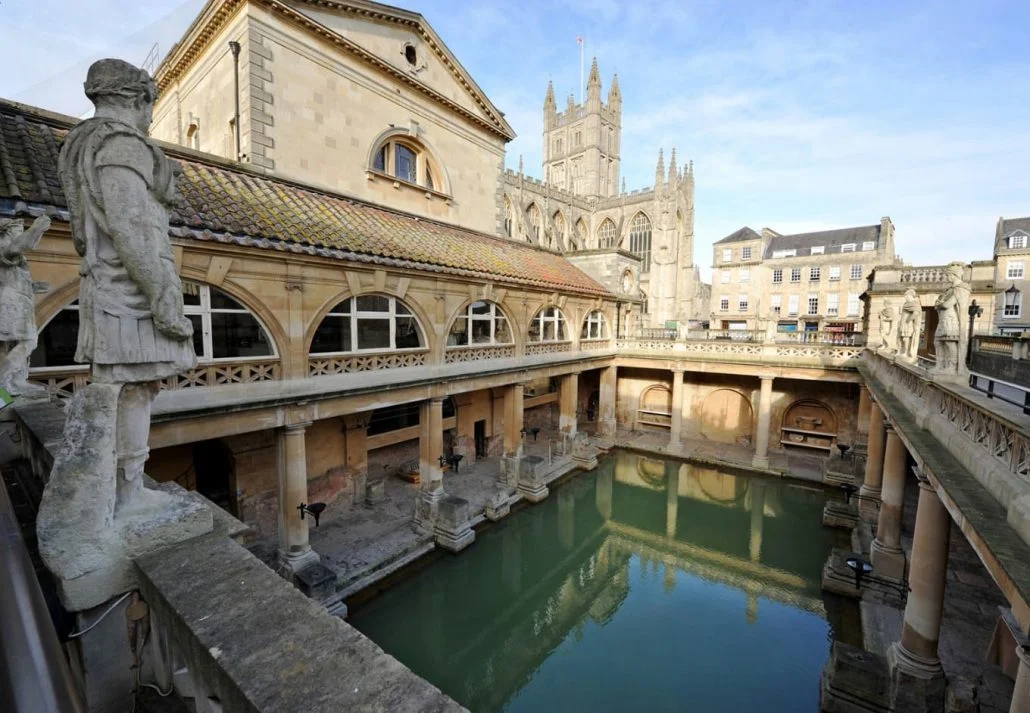
The Roman Baths that are the main attractions in Bath, UK now were built as part of a temple and bathing complex by the Romans between 60 to 70 AD during the period of Roman Britain. The Roman Baths were built for public bathing around the only hot springs in Britain and are divided into four parts - the Sacred Spring, the Roman Temple, the Roman Bath House, and a museum. The Roman Baths are constantly being renovated to improve access to them and the North East Somerset Council takes care of this with the grants that it receives.
To truly understand the rich history behind every single part of this UNESCO world heritage site, including the museum, we highly recommend taking one of the several Roman Baths Tours that are offered and can be prebooked online. Here is everything you need to know about the Roman Baths at Bath.
Must-Visit Places At The Roman Baths In Bath, UK
The Sacred Spring
The Sacred Spring is a reservoir that was constructed along with a sophisticated plumbing system around 70 AD, making it the first part of the Roman Baths to be constructed. The Roman Bath House was situated towards the south side of the temple and was divided into the Great Bath, the East Baths, and the West Baths. It is believed that this segregation was done to have a separate bathing area for men and for women. There was a very customary tradition of throwing valuable objects into the Sacred Spring as offerings to the Goddess Sulis Minerva and several of these artifacts are housed in the museum today. This includes 12,000 Denari coins and several other Roman artifacts.
The Roman Bath House
The Roman Baths Complex was designed and optimized to be perfect for the traditional Roman bathing ritual which included swimming around in a hot spring for a while which would then end in a cold plunge. The star of the bathing complex was The Great Bath which received its heated waters directly from the Sacred Spring and could be accessed via steps. The East Baths contained a large tepid bath area with a few heated rooms, also called Laconicum, and water that flowed from The Great Bath to here, while the West Baths contained plunge pools and similar heated rooms. The Circular Bath is where the cold plunge was done after basking in the natural hot water in the baths. The King's Bath was used for bathers to be submerged neck-deep in the thermal waters.
The Roman Temple
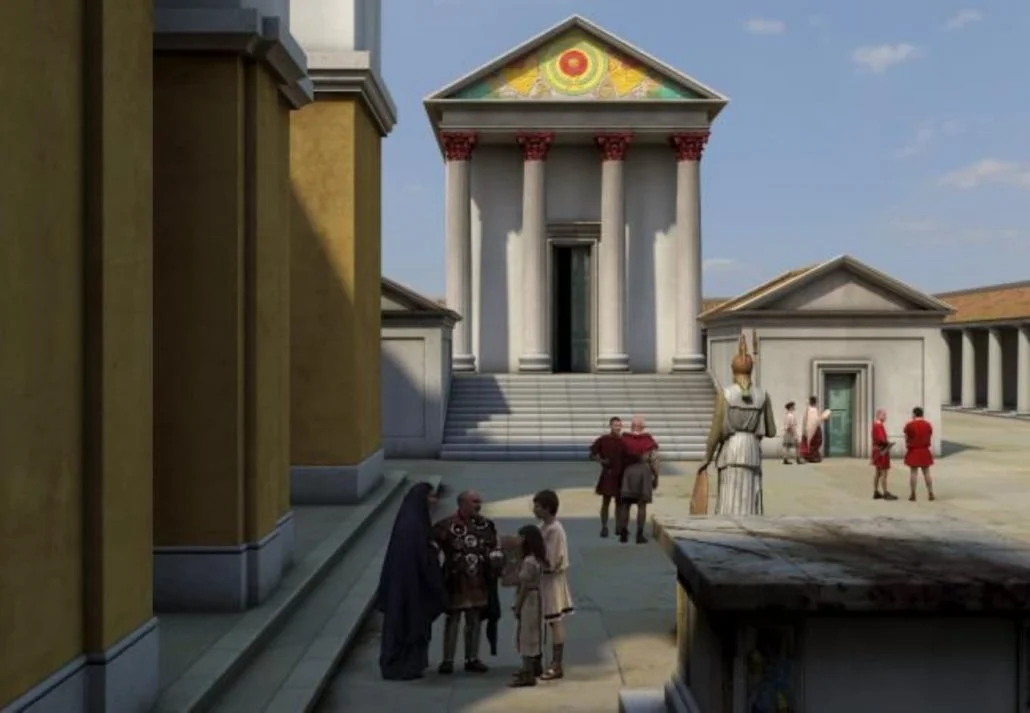
The Roman Temple dedicated to the goddess Sulis Minerva is unique because it was built in a classical style of architecture, however, there's only one other classical temple in the whole of Britain. Dating to the later part of the first century AD, the temple itself is situated on an elevated podium that had to be climbed up to by steps that pass by four huge columns. There were significant ceremonies that took place in the temple courtyard situated within a perimeter wall.
The Pump Room Restaurant
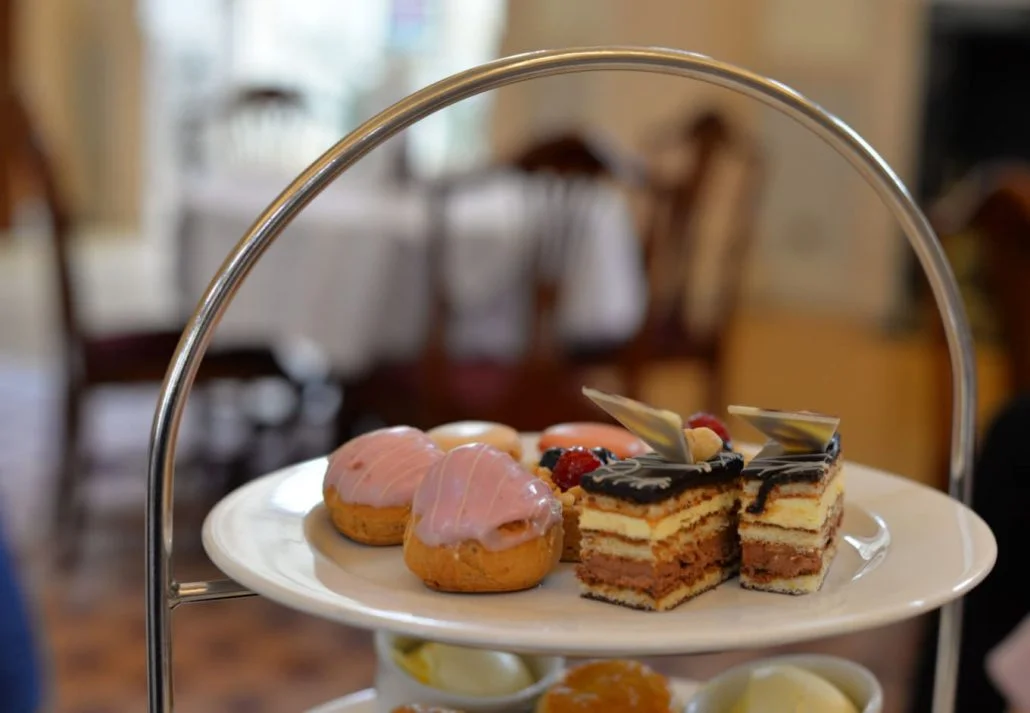
The famous Pump Room Restaurant is connected to a Georgian Bath House and is also called The Grand Pump Room. It is one of the most iconic historic buildings in Bath. Bath was the place to be in the 18th century and this location was one of the most popular of that time and still remains the same to this day. The restaurant here has been around for over 200 years now and has always been as popular as it is today, if not more. Prominent writers like Charles Dickens and Jane Austen have been patrons of this restaurant in the past. The Pump Room building has its own entrance and courtyard even though it is a part of the Roman Bath Abbey, and is situated next to the museum in Abbey Church Yard and the Queen's Bath. The afternoon tea here is a must-have and is famous all over the world.
Find your kind of stay
Compare millions of stays — hotels, apartments, villas, and more