10 Common Hajj Mistakes First-Timers Make (And How to Avoid Them)
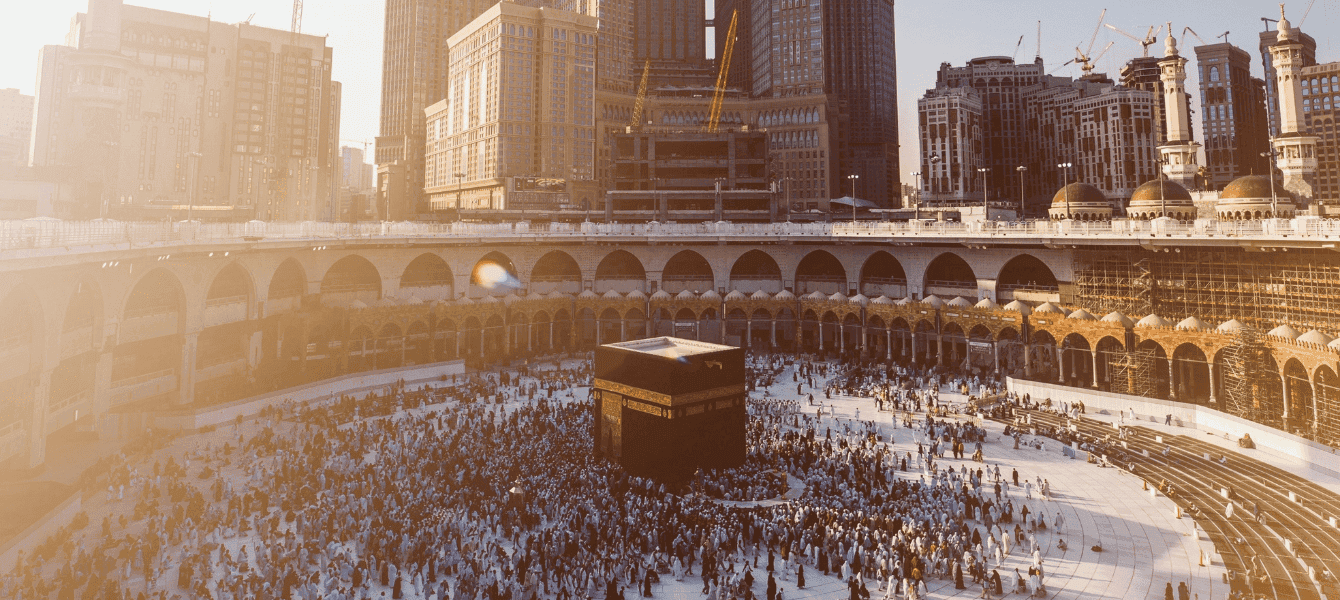
You've waited for this your whole life. You've saved for it, prayed for it, and now it's finally happening, your first Hajj. The last thing you want is to arrive at the holiest place on earth and realise you've made a completely avoidable mistake.
Here's the good news: most first-timer Hajj mistakes aren't serious. They're logistical, practical, and entirely preventable with the right prep. This guide covers the 10 most common ones, and exactly what to do instead.
Mistake 1: Not Learning the Rituals Before You Arrive
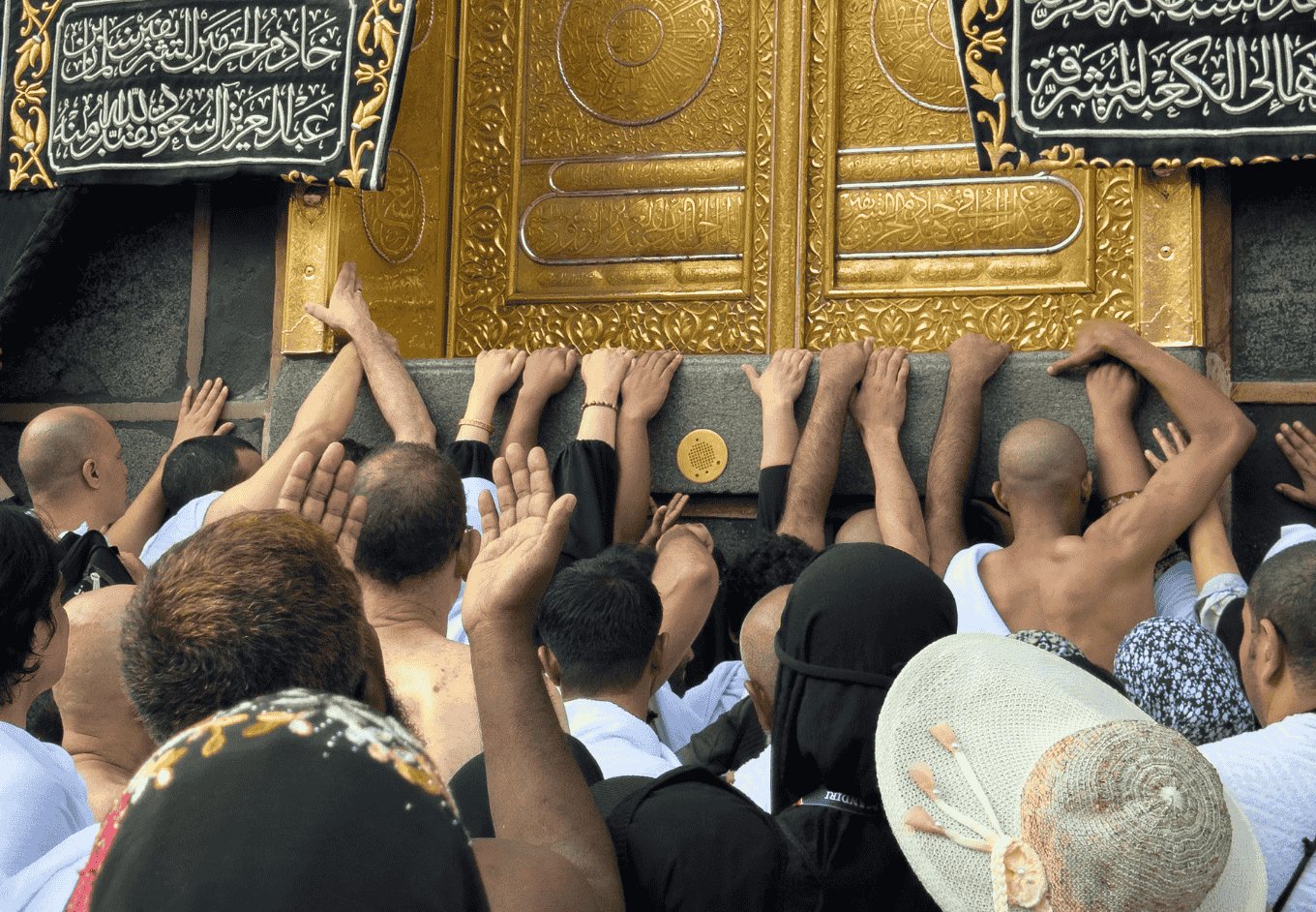
This is the big one. Hajj involves a specific sequence of rituals — Tawaf, Sa'i, standing at Arafat, the night at Muzdalifah, the stoning of the Jamarat, and more, each with its own rules, timings, and conditions. Arriving without understanding what you're doing, why you're doing it, and in what order is the fastest way to feel lost and overwhelmed during the most spiritually significant days of your life.
How to avoid it: Study the rituals properly before you travel, not the night before departure. Read authenticated Islamic sources, watch video walkthroughs from trusted scholars, and attend any pre-Hajj orientation your operator provides. Know the difference between a Wajib and a Sunnah act. Know what constitutes a valid Tawaf. You don't need to be a scholar, you need to be prepared.
Mistake 2: Booking Accommodation Too Late (Or Not Checking What You're Getting)
Mecca during Hajj is one of the most in-demand accommodation markets on earth. Pilgrims who leave booking to the last minute either pay inflated prices, end up far from the Haram with unreliable shuttles, or both. Even within organised Hajj packages, many first-timers don't check how far their hotel actually is from Masjid al-Haram before they sign up.
How to avoid it: Book as early as possible through your approved Hajj operator, and verify the exact neighbourhood and distance to the Haram before committing. Understand the difference between staying in Ajyad (walking distance, premium price), Misfalah (comfortable mid-range), and Aziziyah (shuttle-served, more affordable). Each serves different needs — the key is knowing what you're signing up for.
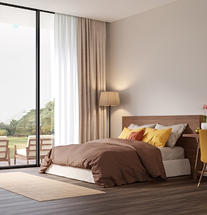
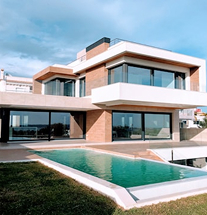
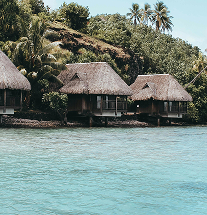
CuddlyNest has a wide range of verified Mecca hotels across all neighbourhoods, so you can compare exactly what you're getting before you book. A few solid options worth knowing about:
Raffles Makkah Palace — Steps from the Haram, genuinely world-class. For pilgrims who want proximity and luxury in one address
Palestine Hotel Makkah — Reliable mid-range comfort in a good pilgrim-friendly location
Park Inn by Radisson Makkah Aziziyah — Solid international brand in Aziziyah, regular shuttles, great value.
Mistake 3: Wearing the Wrong Footwear
It sounds trivial. It isn't. On Hajj, you will walk — a lot. Between your hotel and Masjid al-Haram, between Safa and Marwah (seven times during Sa'i), across the plains of Arafat, through the streets of Mina. On peak days you could easily clock 15,000–20,000 steps. Temperatures in Mecca in late May regularly exceed 40°C (104°F), and the ground outside can feel like a frying pan.
First-timers consistently underestimate this and either wear new shoes that haven't been broken in, or flip-flops that provide zero support for long distances.
How to avoid it: Wear well-worn, comfortable, supportive footwear — preferably sandals or shoes you've already broken in at home. Many pilgrims swear by quality rubber sandals or sports sandals for Tawaf and walking. Leave anything new or fashionable at home.
Mistake 4: Leaving Arafat Before Sunset
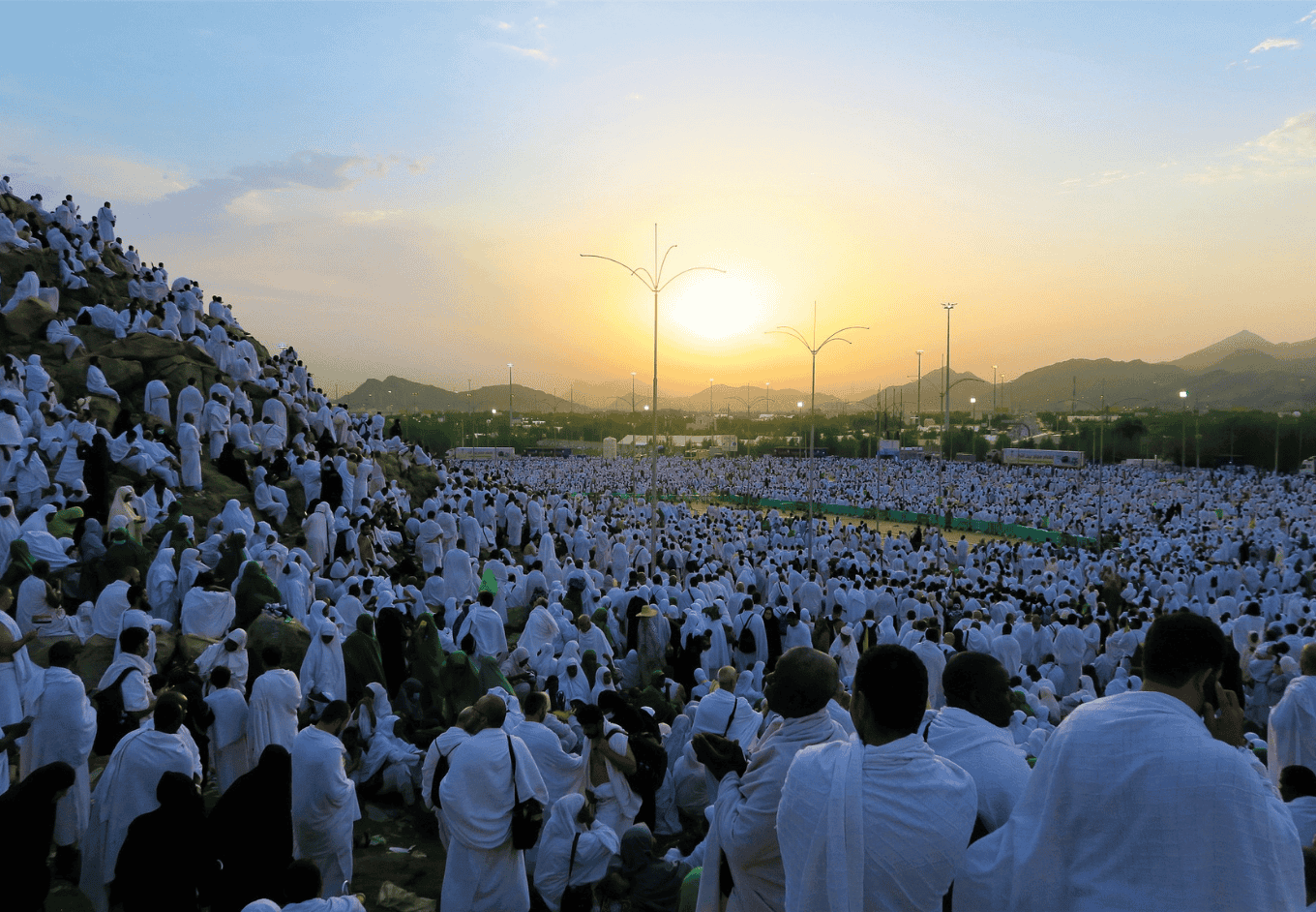
This is one of the most serious ritual mistakes a pilgrim can make. The Day of Arafah — the 9th of Dhul Hijjah — is the pinnacle of Hajj. Standing on the plains of Arafat from Dhuhr until sunset is a mandatory pillar of Hajj (Rukn). Leaving before sunset is a major error that can invalidate the entire pilgrimage according to many scholars, requiring a dam (animal sacrifice) to compensate.
It happens more than you'd think, pilgrims get tired, their group starts moving early, or there's confusion about timings.
How to avoid it: Know the exact sunset time for Arafat on your Hajj day and do not leave before it. Confirm this with your group leader. If your group starts moving before sunset, stay firm, this is non-negotiable.
Mistake 5: Underestimating the Heat
Hajj 2026 falls in late May, with Mecca temperatures expected to regularly exceed 40–43°C (104–109°F). In 2024, over 1,300 pilgrims died during Hajj, the majority heat-related. This is not a warning to scare you. It's a reminder that the physical conditions of Hajj are genuinely demanding and must be prepared for seriously.
How to avoid it:
Stay hydrated constantly — carry a water bottle everywhere and drink before you feel thirsty
Perform outdoor rituals during cooler hours where possible (early morning or after sunset)
Use an umbrella — specifically a sun umbrella, not just for rain
Wear light, breathable, moisture-wicking fabrics under your Ihram
Know the signs of heat exhaustion and heatstroke, and don't push through symptoms
Mistake 6: Getting Separated From Your Group With No Plan
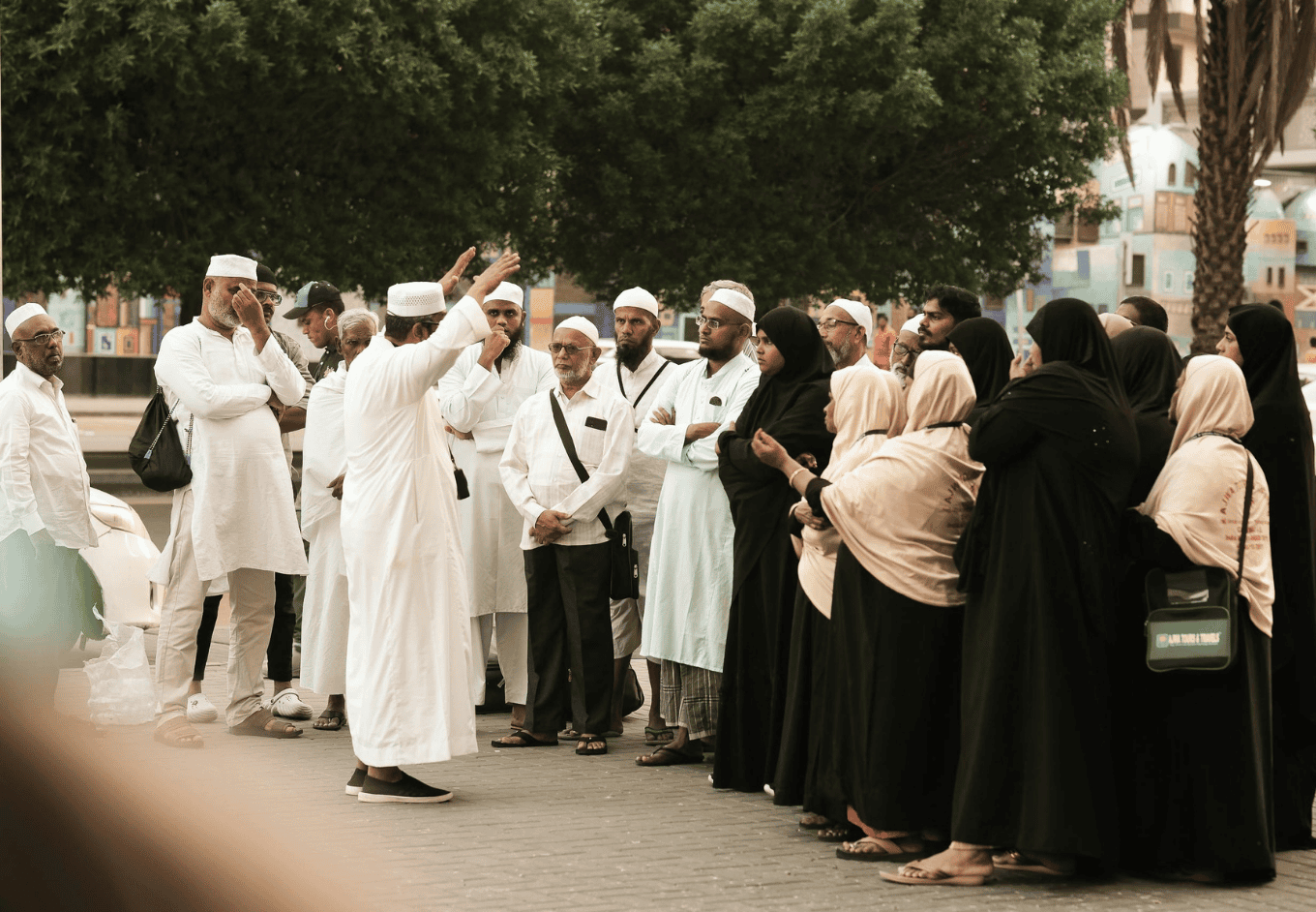
With over two million pilgrims converging on the same sites at the same times, getting separated from your group is not a matter of if — it's when. Mina, Muzdalifah, and the Jamarat area during peak times are especially chaotic. First-timers who rely on "I'll just text you" as a reunion plan consistently get caught out when signal drops and crowds swell.
How to avoid it:
Wear an ID badge at all times — include your group name, hotel name, hotel address, and emergency phone number
Agree on a physical meeting point before every major ritual — a specific gate, a landmark, a colour-coded tent
Have a fully charged phone and a portable power bank. Always
Download the Nusuk app and keep your group's details accessible offline.
Mistake 7: Packing Too Much (Or Entirely the Wrong Things)
The Hajj packing mistake takes two forms. Either pilgrims bring enormous suitcases full of things they never use, or they forget genuinely essential items and spend Hajj scrambling to find them in the crowded markets around the Haram.
How to avoid it — what you actually need:
Ihram garments (men) — at least two sets
Comfortable, broken-in walking sandals
Unscented soap, shampoo, and toiletries (scented products are prohibited in Ihram)
Small backpack or belt bag for daily use
Portable power bank — non-negotiable
Reusable water bottle
Basic medications: paracetamol, rehydration salts, blister plasters, antihistamines
Physical copies of all documents — passport, visa, vaccination certificates, hotel booking confirmation
Sun umbrella and light scarf
What you don't need: your entire wardrobe, valuables, or anything you'd be devastated to lose in a crowd of two million people.
Mistake 8: Spending More Time on Your Phone Than in Worship
This one stings because it's so relatable. You're standing in front of the Kaaba for the first time in your life — a moment you've dreamed of for years — and your first instinct is to reach for your phone. A few photos are absolutely fine. But pilgrims who spend significant portions of Tawaf, Arafat, and Sa'i filming content rather than making dua consistently report feeling like they missed the experience.
How to avoid it: Decide before you travel what your relationship with your phone will be during Hajj. Take a few meaningful photos. Then put it away. The Kaaba will not look better through a screen.
Mistake 9: Not Sorting Visas, Vaccinations, and Documents Early Enough
Hajj visa processing, mandatory vaccinations, and documentation requirements catch first-timers off guard every year — not because the requirements are complicated, but because people leave them too late.
Mandatory vaccinations for Hajj 2026 include:
Meningitis ACWY — required, must be within 5 years and administered at least 10 days before travel
COVID-19 — Saudi-approved vaccine required
Polio — required for travellers from certain countries
Yellow Fever — required for travellers from endemic countries
Visa processing through the Nusuk Hajj Portal or your approved operator takes time. Don't assume it's instant.
How to avoid it: Start your vaccination appointments and document gathering at least 3–4 months before Hajj. Keep digital and physical copies of everything — your passport, visa, vaccination certificate, hotel booking, and travel insurance. Border control in Saudi Arabia asks for proof of accommodation, and not having it ready causes unnecessary stress.
This is also where your accommodation booking matters beyond just having a place to sleep — it's a document you may need to present at the border. CuddlyNest sends booking confirmations immediately upon reservation, which you can save digitally and print as backup.
A few more well-rated Mecca stays worth bookmarking:
Shaza Makkah — Elegant five-star near the Haram, exceptional service, immediate booking confirmation.

Shaza Makkah Hotel Azka Al Safa Hotel — Mid-range, well-reviewed, clean and well-connected to the mosque
Fajr Al Badea 4 — Reliable budget option for economy pilgrims
Mistake 10: Letting the Stress Take Over
Hajj is hard. That's not a warning, it's part of the design. Long walks, extreme heat, enormous crowds, disrupted sleep, and the emotional weight of the experience all pile up together. First-timers who expect a smooth, frictionless journey often struggle when reality hits.
The pilgrims who come back transformed are consistently the ones who accepted the difficulty as part of the worship. Patience — sabr — is not just a virtue during Hajj. It's an act of ibadah in itself.
How to avoid it: Set your expectations before you go. Things will not always go to plan. Queues will be long. Your tent in Mina will be full. Your shuttle will be late. And none of it will matter once you're standing on the plains of Arafat, two million voices raised in prayer around you, asking Allah for whatever is closest to your heart.
That moment is why you came. Everything else is logistics.
One Final Thing Before You Go
Sort your accommodation early, sort your documents early, and go with the right mindset. Spiritual preparation is as important as the logistical preparation — scholars consistently say that sincerity of intention is the foundation everything else is built on.
When it comes to finding and booking your stay in Mecca, CuddlyNest has hotels, serviced apartments, and accommodation options across all Mecca neighbourhoods — from budget stays in Aziziyah to five-star properties steps from the Haram. Browse, compare, and book with instant confirmation. And for international pilgrims who prefer to pay in cryptocurrency, CuddlyNest accepts USDT, USDC, BUSD, and DAI.
May your Hajj be accepted. Ameen.
Frequently Asked Questions
Which Mecca neighborhood is best for Hajj pilgrims?
How does CuddlyNest help me find the cheapest flights?
Can I use crypto to book my next flight on CuddlyNest?
Ready for your First Hajj?
Book Your Tripeveryone.