Is there an entry fee to visit Habala Hanging Village?
<p>Yes, the prices are SAR 25 for adults and SAR 15 for children. Seniors and family members can also avail discounts based on season and availability.</p>
Can children visit Habala Hanging Village?
<p>Absolutely! The village is a popular destination for families in <a href="https://www.cuddlynest.com/guides/saudi-arabia/attractions-in-riyadh" target="_blank" rel="noopener" title="Saudi Arabia">Saudi Arabia</a>. Children will enjoy exploring the unique architecture, hiking the surrounding area, and visiting the local market.</p>
Are there any shops or markets in Al Habala?
<p>Habala Hanging Village does have a local market where you can find souvenirs, handicrafts, and local treats.</p>
CuddlyNest Team
CuddlyNest is the world's largest vacation rental search engine, comparing millions of accommodations across 200+ booking sites. Our editorial team of seasoned travelers and local experts shares insider tips, destination guides, and travel inspiration to help you plan the perfect trip — whether you're booking a cozy cabin, a beachfront villa, or an apartment in the heart of the city.
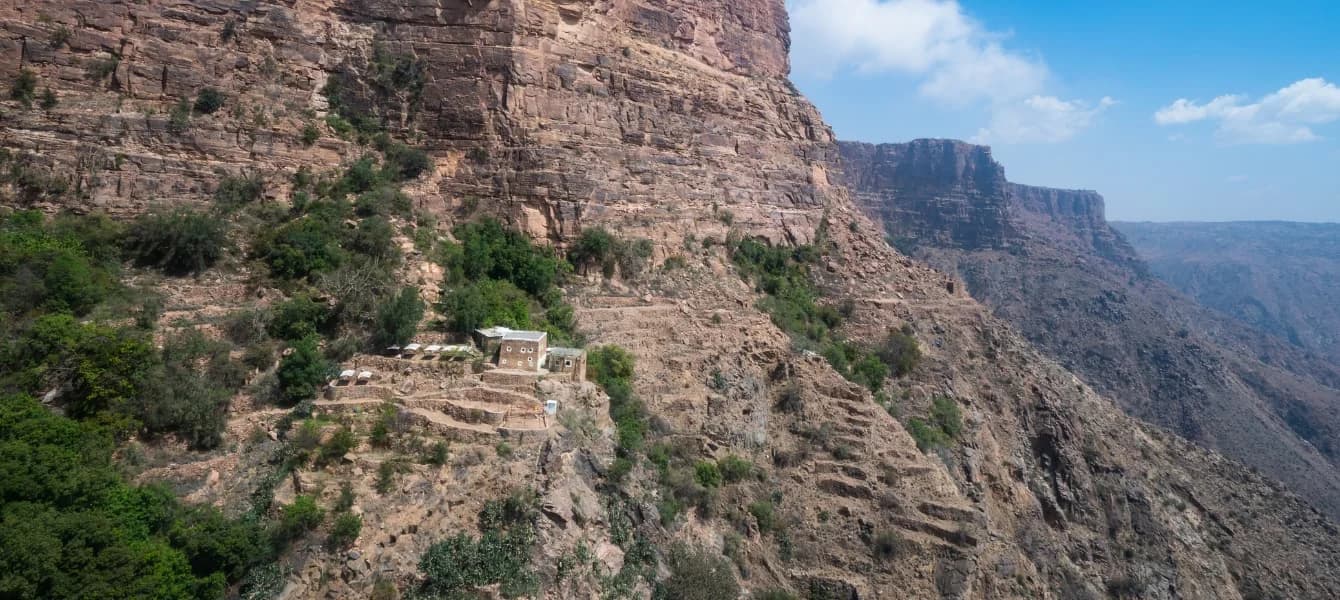
Al Habala, also known as the Hanging Village, is a small mountain village located in the Asir Region of Saudi Arabia. Carved from the local sandstone, these houses cling precariously to a ledge at a staggering 400 meters down a sheer cliff. Access was once only possible by daring rope ladders called "habals."
It's a fascinating destination known for its unique architecture, rich history, and stunning natural beauty. Here's a guide to help you plan your visit:
Amidst the majestic mountains of Asir lies the captivating Al Habala village. Steeped in history and boasting a unique culture, it offers a glimpse into the region's past. Estimates suggest Al Habala's existence dates back over 370 years. The traditional village was originally inhabited by a tribal community called Khatani, also known as "flower men," adopted from their practice of wearing garlands.
The tribe's choice of location wasn't accidental. The Ottoman Empire ruled during this period, and Al Habala's remoteness provided just the security they needed. The village's inaccessibility, originally reachable only by rope ladders, served as a natural defense mechanism, and where the name habala comes from (habala being the Arabic word for rope).
Modern-Day Al Habala
For centuries, Al Habala's residents were masters of self-reliance. Terraced gardens flourished alongside small livestock, sustaining the community for generations. This way of life continued until the 1980s.
The 1990s ushered in a new era for the region with its focus to promote tourism. As a result, a decision was made to relocate the villagers to a more modern village created in the valley below. When the tribe refused to budge, they were evacuated forcibly by the Saudi Arabian National Guard. Soon, cable cars were built to access the area.
Despite all the turmoil, Al Habala's cultural heritage refuses to be forgotten. During the summer months, some of the original inhabitants return to the village. Here, they share their heritage by performing traditional dances, offering a glimpse into the past for present-day visitors.
Enjoy a scenic ride on a cable car as you take in breathtaking views of the mountains and valleys. Once you reach the top, you can explore the historic village of Habala.
🛖 Explore the Village
Wander through the village and admire traditional sandstone houses with their distinctive mudbrick appearance. Some of the old buildings have been repurposed into tourist cafes and facilities.
🌿 Relax at Al Habala Park
Located near the village, Al Habala Park offers a scenic area with a variety of activities for families, including playgrounds and restaurants.
Al Habala is an hour's drive from Abha. It is ideal to drive down there by yourself as public transportation is not readily available and taxis could be problematic (they can get expensive and might not necessarily be willing to wait while you explore).
Al Habala Cable Car
High Season Timings
10 AM - 6 PM
Low Season Timings
2 PM - 6 PM
Route
Al Habala Resort to Al Habala Hanging Village
Cost
750 SAR
Best Time to Visit Al Habala
Al Habala sits at about 1,500m elevation in the Asir mountains, which keeps it far cooler than most of Saudi Arabia. That matters a lot for when you go.
October to March: the sweet spot. Daytime temperatures run 15-22C. Clear skies. The mountain views are sharp and the cable car descent gives you a crisp panorama over the valley. November and December are the driest months. Most visitors from the Gulf come during this window to escape the heat on the coast.
June to August: avoid if possible. Al Habala itself stays tolerable (22-27C) but the road journey through Asir becomes uncomfortable. The summer tourist season is also domestic peak season, meaning the cable car lines run longer. If you go in summer, arrive early, well before 11am.
Ramadan timing. The cable car and park area can be busier in evenings during Ramadan when Saudi families make a night of it. The atmosphere is different but genuinely worth experiencing. Check that the cable car is running, as hours shift during Ramadan.
Practical Tips for Visiting Al Habala
A few things that matter more here than at a typical tourist site.
Dress code. Saudi Arabia requires modest dress at public attractions. Shoulders and knees covered for both men and women. Abaya is not required for foreign women at tourist sites under the current Saudi tourism push, but conservative clothing (loose trousers, long sleeves) is the right call. At Al Habala specifically, this is enforced.
The cable car is the main event. The descent takes about 5 minutes over a 400-metre drop into the valley. Worth it. The 750 SAR cost covers the full cable car cabin (fits several people), not a per-person ticket. Go early on weekends. The cable car closes at 6pm on low season days, so plan to arrive by 4pm at the latest.
Bring cash. The park area and some on-site cafes operate on cash only. ATMs are available in Abha (1 hour away) but not at the site itself.
Al Habala viewpoint. Before descending on the cable car, walk to the viewpoint at the cliff edge. It gives you the full scale of the valley below and the hanging village ledge. Most photos you'll see of Al Habala are taken from this viewpoint, not from the village itself. Spend 15-20 minutes here before joining the cable car queue.
Day trip from Abha. Al Habala works best as a half-day trip combined with Al Soudah or Rijal Almaa. Drive from Abha takes about an hour each way. Combine the three stops into a full Asir day and stay in Abha overnight. Abha hotels on CuddlyNest from $45/night, the best base for visiting Al Habala and the wider Asir region.
Where to Stay Near Al Habala
There is no accommodation at Al Habala itself. Abha is the base for the entire Asir region and gives you access to Al Habala, Al Soudah, Rijal Almaa village, and the Green Mountain cable car.
Abha city. The largest city in Asir, with a wide range of hotels from budget guesthouses to upscale resorts. The drive to Al Habala is about 55km. Most Abha hotels are in the 150-350 SAR per night range. Browse Abha hotels on CuddlyNest to find options near the main sights.
Baha (Al Baha region). If you are coming from the north along the escarpment road, Baha city is an alternative stop before reaching Asir. About 2.5 hours from Al Habala. Fewer tourists than Abha, cheaper accommodation, and some travellers prefer its slower pace as a base. Saudi Arabia hotels on CuddlyNest for options across the Asir region.
What to book first. Abha gets very busy during Saudi summer (June-August) and national holidays. Book 2-3 weeks ahead during those periods. Rest of the year, last-minute availability is usually fine.
Frequently Asked Questions About Al Habala
Where is the Habala hanging village?
Al Habala (also written Al-Habalah) is in the Asir Region of southwestern Saudi Arabia, about 55km from Abha city. It sits on a cliff ledge roughly 300-400 metres below the surrounding plateau, which is what gave it the "hanging village" description. The coordinates place it in the mountains just east of the Red Sea coastal range.
How much does the Al Habala cable car cost?
The cable car costs 750 SAR per cabin (not per person). The cabin fits multiple people, so the per-person cost is lower if you go as a group. High season hours are 10am-6pm; low season hours are 2pm-6pm. The cable car connects the Al Habala Resort area at the top with the hanging village below.
Can you stay in Al Habala village?
No. Al Habala village is a historical site, not a residential or tourist accommodation area. The original inhabitants were relocated in the 1990s. A few structures have been converted to cafes and facilities for day visitors, but there is no overnight accommodation. Abha city, about an hour away by car, is the nearest place to stay.
What is Al Habala known for?
The hanging village concept: a community of sandstone houses built into a cliff face, accessible only by rope ladder for centuries. The name "habala" comes from the Arabic word for rope. The village was home to the Qahtan tribe, known as the "flower men" for their custom of wearing garlands of dried flowers. Today it is one of the more unusual heritage sites in Saudi Arabia and a highlight of any Asir region trip.
Find your kind of stay
Compare millions of stays — hotels, apartments, villas, and more