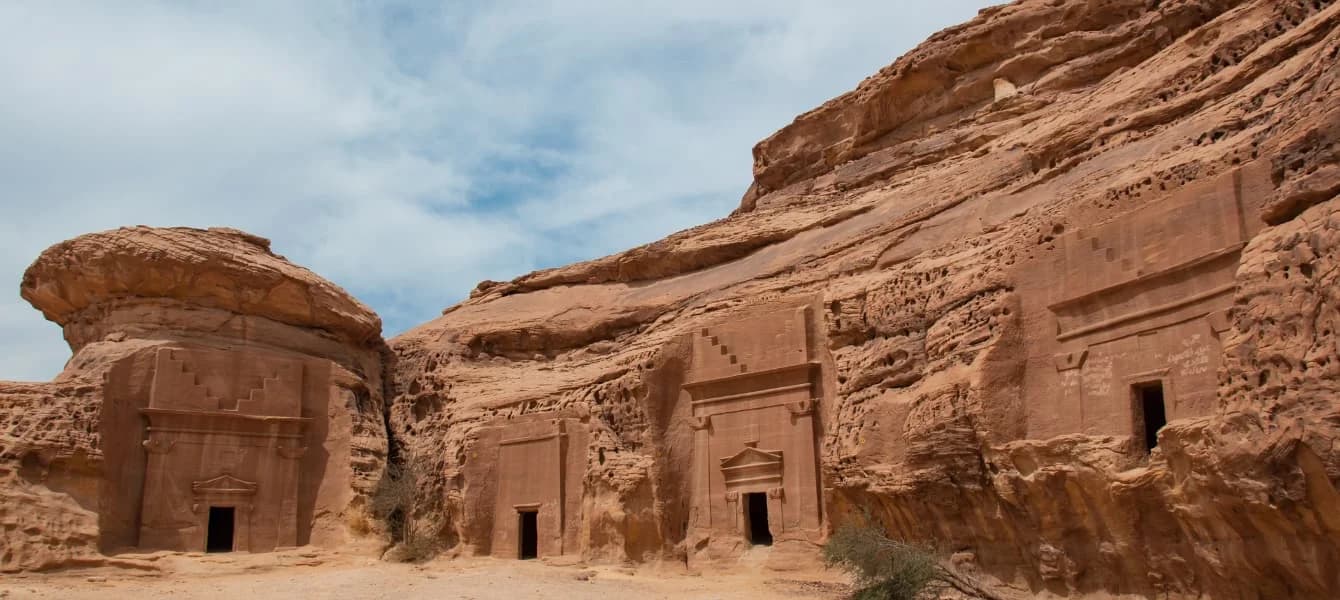
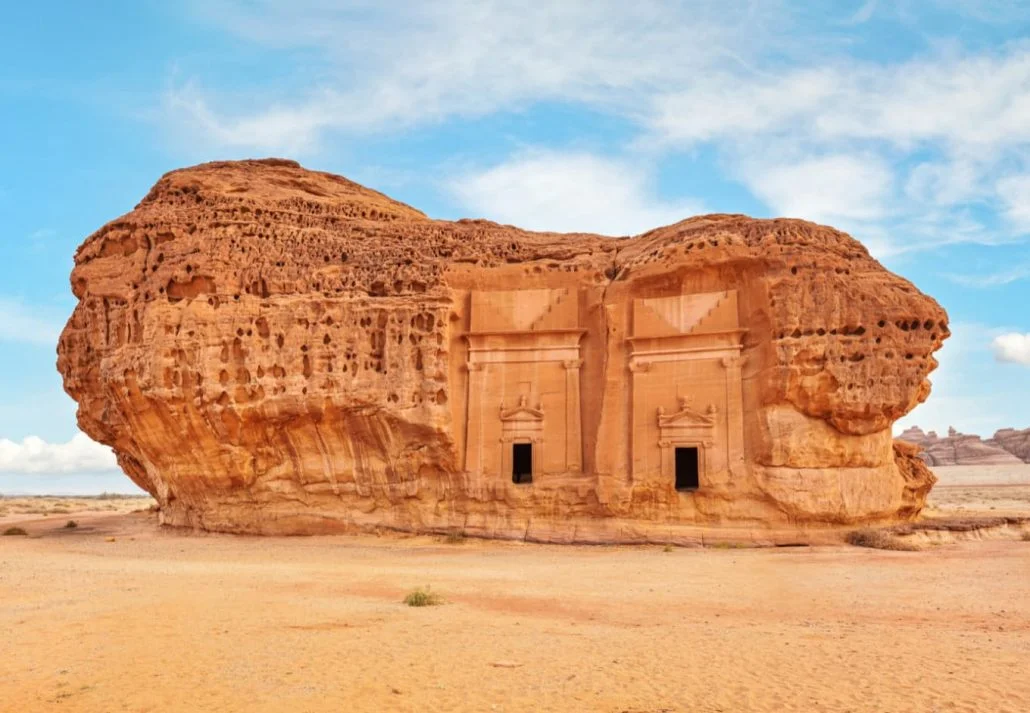
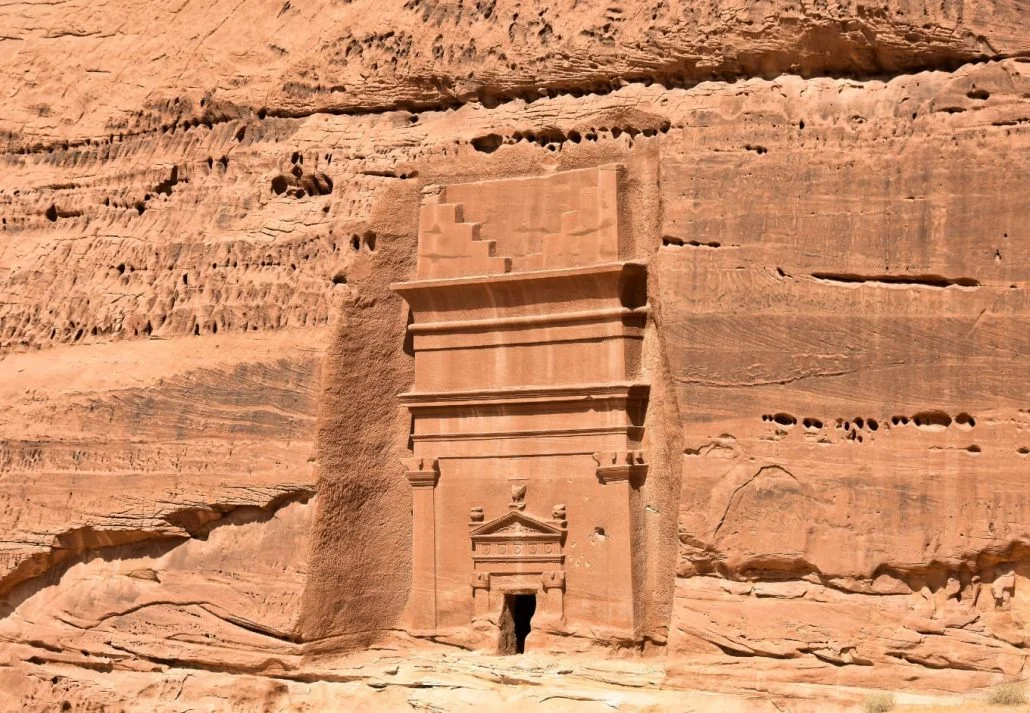
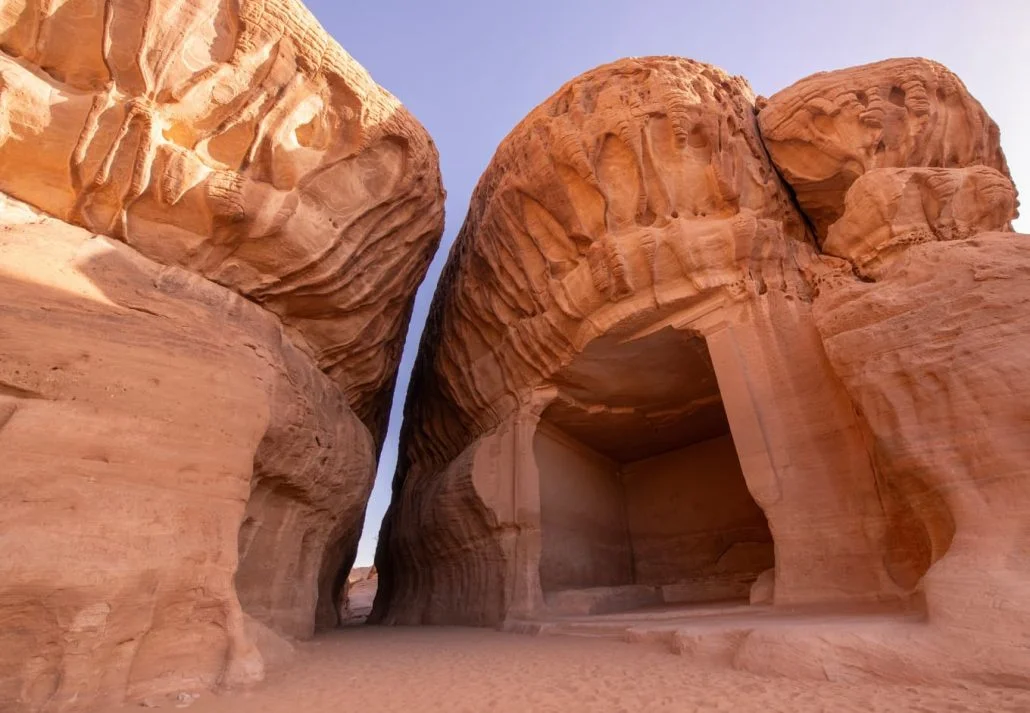
<p>Madain Saleh, also known as Al-Hijr, is a Hegra archaeological site in Saudi Arabia famous for its well-preserved tombs and ancient ruins carved onto rocky facades. These date back to the Nabataean civilization, known to have built the famous city of Petra in Jordan.</p>
Is Madain Saleh the same as Al Ula?
<p>No, but they are closely related. Madain Saleh is the archaeological site within the wider region of Al Ula, which also includes other historical and natural landmarks.</p>
When is the best time to visit Madain Saleh?
<p>Generally, the best time to visit Madain Saleh is during the spring (March-May) or autumn (September-November) months. These times offer pleasant weather for exploring the site. It's advisable to avoid the hot summer months.</p>
CuddlyNest Team
CuddlyNest is the world's largest vacation rental search engine, comparing millions of accommodations across 200+ booking sites. Our editorial team of seasoned travelers and local experts shares insider tips, destination guides, and travel inspiration to help you plan the perfect trip — whether you're booking a cozy cabin, a beachfront villa, or an apartment in the heart of the city.
Also known as Al Hijr or Hegra, Madain Saleh is a fascinating archaeological site in Saudi Arabia. It was a major site for the Nabataean Kingdom, second only to their capital, Petra, a UNESCO World Heritage Site in modern-day Jordan. The Nabataeans were a skilled civilization that thrived in trade and engineering around 2,000 years ago. Madain Saleh offers a chance to see their work in a different setting.
Recognized for its exceptional preservation, Madain Saleh became the first UNESCO World Heritage Site in Saudi Arabia in 2008. For centuries, Madain Saleh remained relatively unknown. Now, with Saudi Arabia opening its doors to tourism, visitors have the chance to experience an outstanding example of architectural accomplishment.
Mada'in Saleh was the Nabataean Kingdom's second city after Petra. These weren't ordinary people. The Nabataeans were masters of carving; adept at transforming rocky landscapes into elaborate tombs and buildings. Their skills extended far beyond sculpting. They were also adept at agriculture, trade, and commerce, making them key players in the region's economic scene.
A Nabataean Jewel
The Nabataeans, like countless Arabian tribes before them, started as herders raising sheep, goats, and camels in the harsh desert environment. They cleverly supplemented their nomadic lifestyle by practicing oasis agriculture and developing a system of wells carved into the rock, allowing them to cultivate crops in the desert oasis.
Madain Saleh's location wasn't random. It served a crucial purpose for the Nabataeans. Positioned strategically, it acted as an outpost, guarding the kingdom's flank. More importantly, it became a vital stop on the bustling trade routes that linked the Arabian Peninsula to the Mediterranean world. It was a key stop along the Incense Route (from the Red Sea to the Persian Gulf), which facilitated the trade of valuable commodities such as frankincense and myrrh, highly regarded for their religious significance. Even today, the historical site is referenced as Al Hijr, which was the home of the Thamud in the Holy Quran.
Decline and Rediscovery
The Nabataean kingdom eventually declined after the Roman Empire conquered them, and Mada'in Saleh faded into obscurity. For centuries, the city remained largely hidden, shrouded in the sands of time. It wasn't until the 19th century, when Swiss explorer Johann Ludwig Burckhardt rediscovered Madain Saleh, that interest spiked in the region. Since then, archaeological excavations have been slowly peeling back the layers of history, revealing the secrets of this ancient city.
Prominent Structures of Madain Saleh
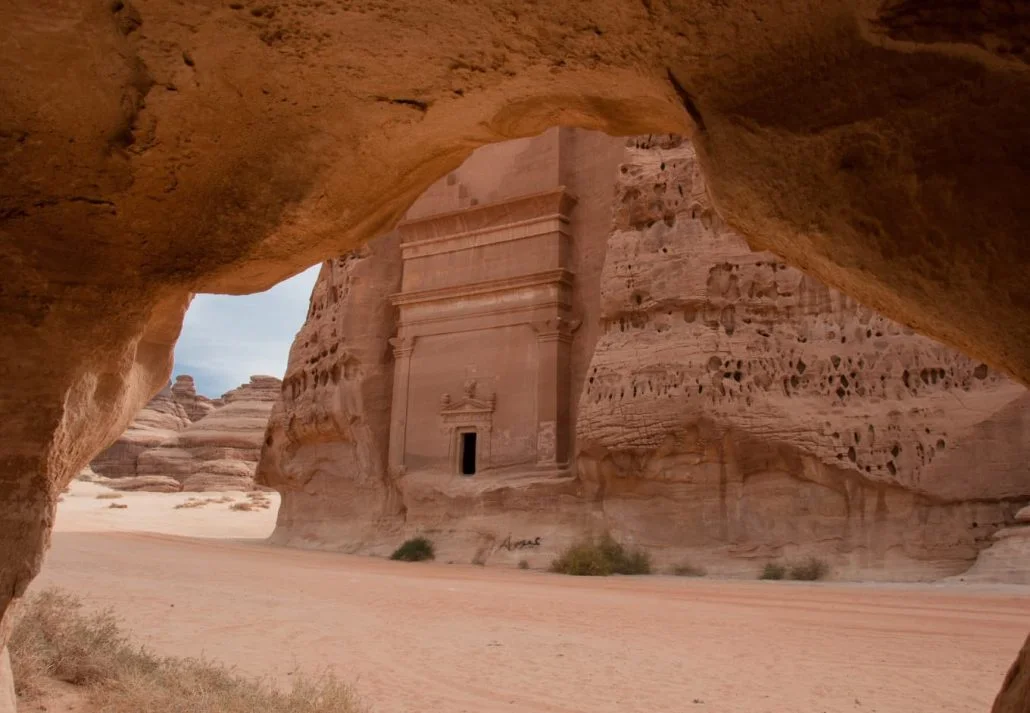
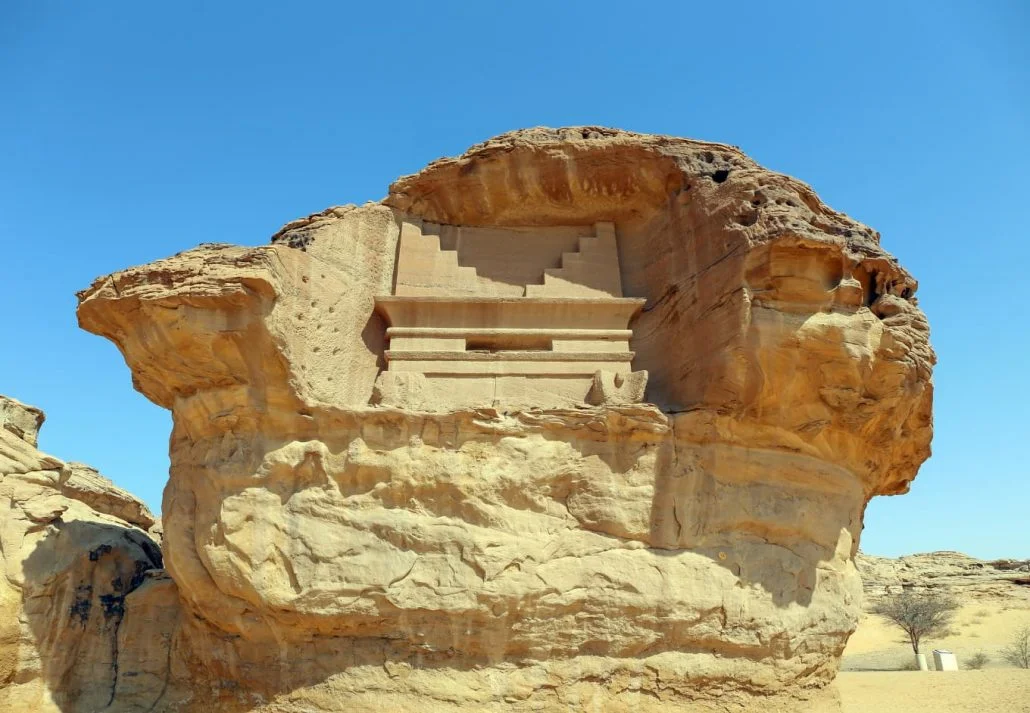
The most striking aspect of Mada'in Saleh is its collection of over 130 rock-cut tombs. These aren't ordinary tombs! They are intricately carved into golden sandstone outcrops with elaborate facades that showcase the artistic skills of the Nabataeans. Here's a breakdown of notable structures that come together to tell the story of this iconic symbol and ancient world:
Qasr Al Farid (The Lonely Castle)
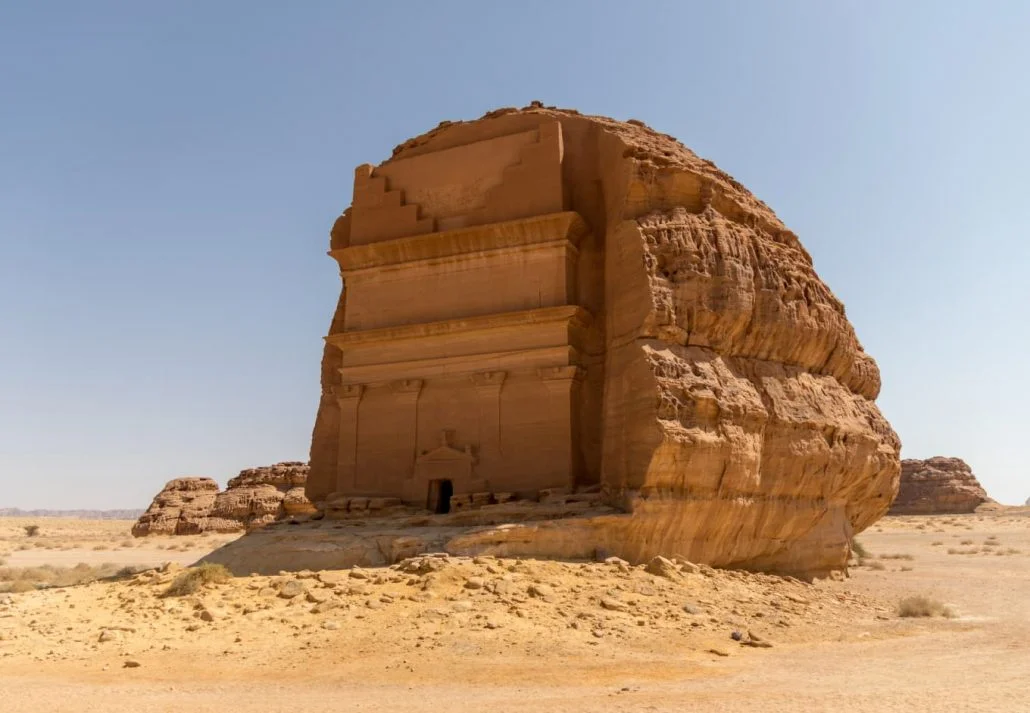
Qasr Al Farid is the largest, most photogenic symbol in Mada'in Saleh and a truly awe-inspiring sight. It's named for its isolated position - a single tomb carved into a small dome stands alone in the desert landscape. The tomb was never completed, but the intricate carvings on its heavily chiseled surfaces are breathtaking.
Jabal Al Ahmar (The Red Mountain)
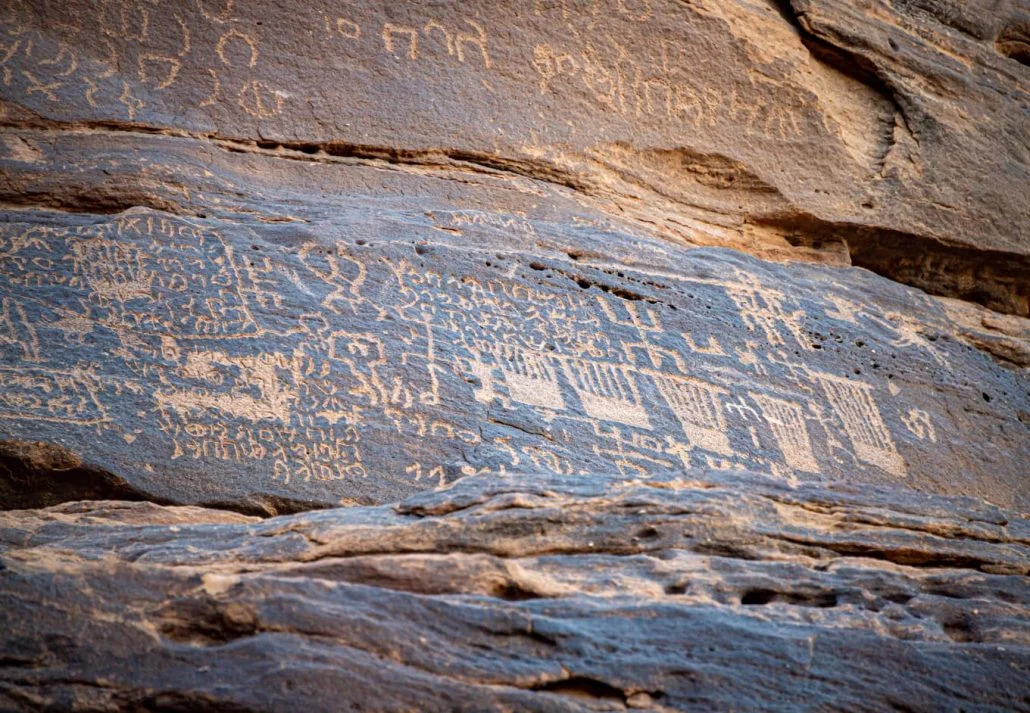
Located in the southeastern portion of Madain Saleh, this area features numerous tombs with drawings dating back to a specific period. These tombs are burial chambers that are simpler in design, lacking the elaborate ornamentation seen elsewhere in Mada'in Saleh.
Qasr Al Bint (Palace of the Daughter or Maiden)
This structure is the largest tomb façade in Hegra and is named after a group of adjacent tombs. Qasr Al Bint features a wonderful row of facades with intricately carved columns and friezes. The doorway includes an inscription plaque dating circa 31 CE.
The Unfinished Tomb
This tomb offers a glimpse into the Nabataean construction process. Only the initial steps of carving the facade were completed before work ceased, leaving behind a unique skeletal structure.
Al Diwan (The Hall)
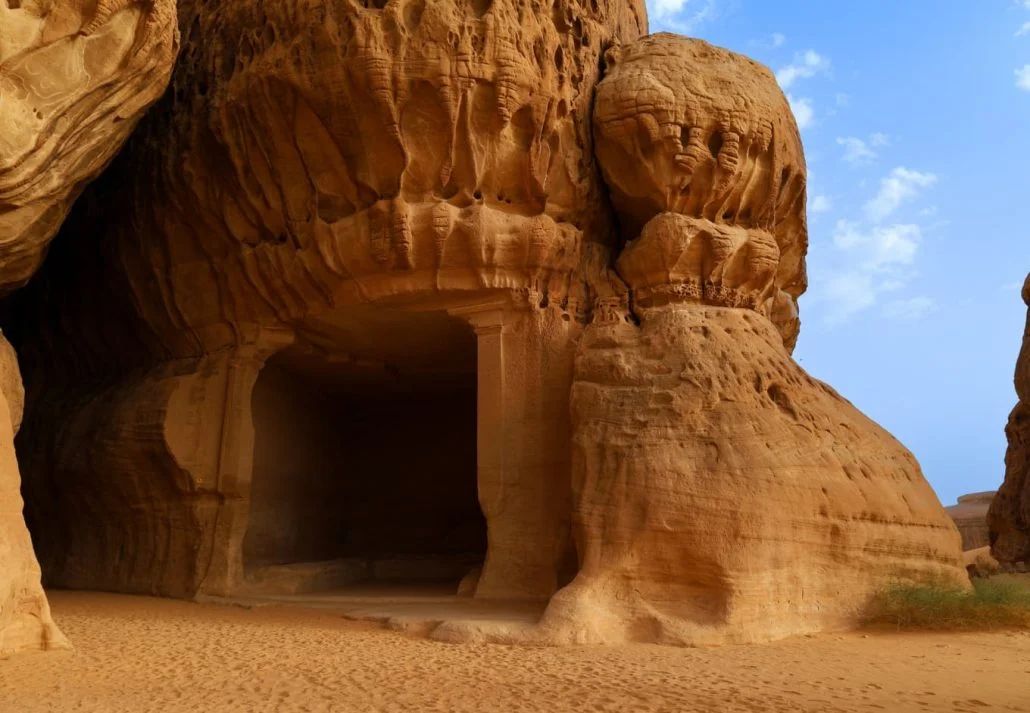
Unlike the tombs, Al Diwan is believed to have served a non-funerary purpose. Carved into a hillside for protection from the wind, it features benches and niches believed to have held statues of Nabataean gods. This unique structure with its large entrance suggests it might have been used for sacred feasts.
Jabal Ithlib
This is a monumental outcrop with a complex of spires. Al Siq, a narrow passageway similar to the one found at Petra, leads visitors from Al Diwan to Jabal Ithlib, and the Siq's jagged cliff walls showcase Nabatean gods carved into the rock. At the entrance, you'll find a square chamber with three stone benches, believed to be a triclinium for sacred meals.
Ottoman Caravanserai
This structure is a much later addition, built by the Ottomans to provide shelter for travelers on trade routes. This site served to protect the pilgrimage route to Mecca.
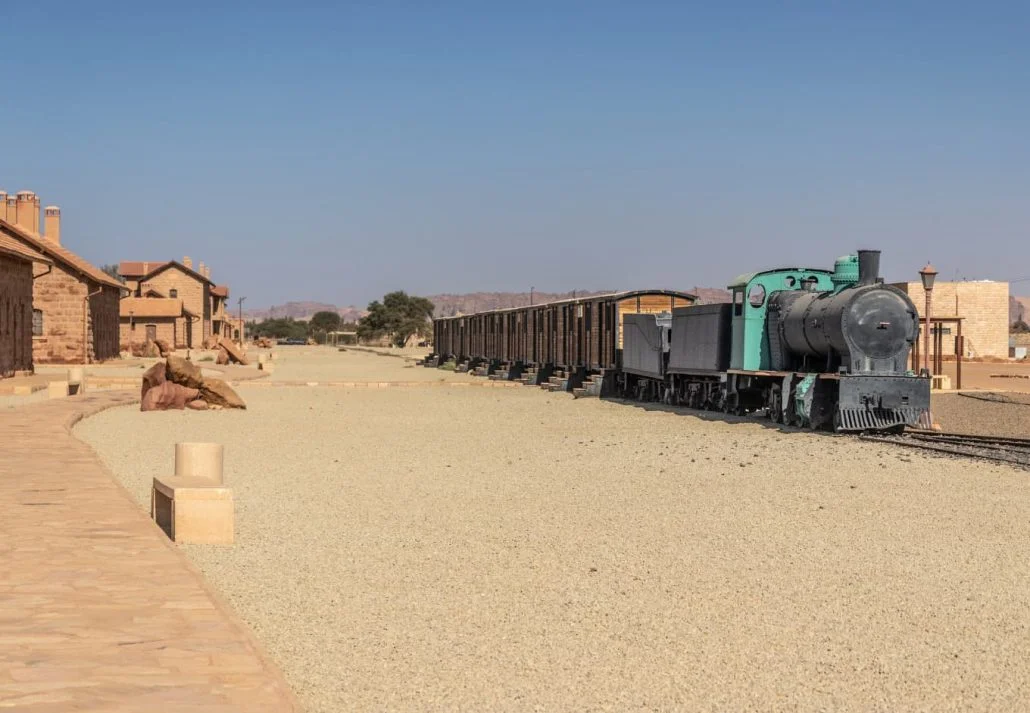
Hejaz Railway Station
Built in the early 20th century, it's being transformed into a visitor center. Here, you'll find a restored WWI-era engine and remnants of train carriages, ready to take you on a train through time.
Find your kind of stay
Compare millions of stays — hotels, apartments, villas, and more
<p>Some of the most impressive sights at Madain Saleh include Qasr Farid, Qasr Al Bint, Al Diwan, Al Siq, and Jabal Al Ahmar Area C.</p>
What is the significance of Madain Saleh?
<p>Madain Saleh is a UNESCO World Heritage Site that showcases the remarkable engineering and architectural skills of the Nabataeans. It provides insights into their trade routes and economic activities and offers a glimpse into their religious beliefs and burial practices.<br><br></p>
Flying from Europe for World Cup 2026? Read This
Flying to the 2026 World Cup from Europe? Your complete guide to visas, flights, cities, and travel tips across the USA, Canada, and Mexico.