Frequently asked questions about ultimate guide to park güell, barcelona
Should I get a guide for Park Guell?
Yes, a guided tour of Park Güell can greatly enhance your experience and is definitely worth considering.
Where is the best place to enter Park Guell?
The main entrance to Park Güell is on the south side, on Carrer d'Olot. From here, you can enjoy mesmerizing views of the park's stairway.
How much time is enough for Park Guell?
On average, most visitors spend around 1.5 to 2 hours exploring Park Guëll. This timeframe allows for a leisurely stroll through the main terrace, admiring the mosaic artwork, experiencing the Hypostyle Room, and enjoying the panoramic views.
CuddlyNest Team
CuddlyNest is the world's largest vacation rental search engine, comparing millions of accommodations across 200+ booking sites. Our editorial team of seasoned travelers and local experts shares insider tips, destination guides, and travel inspiration to help you plan the perfect trip — whether you're booking a cozy cabin, a beachfront villa, or an apartment in the heart of the city.
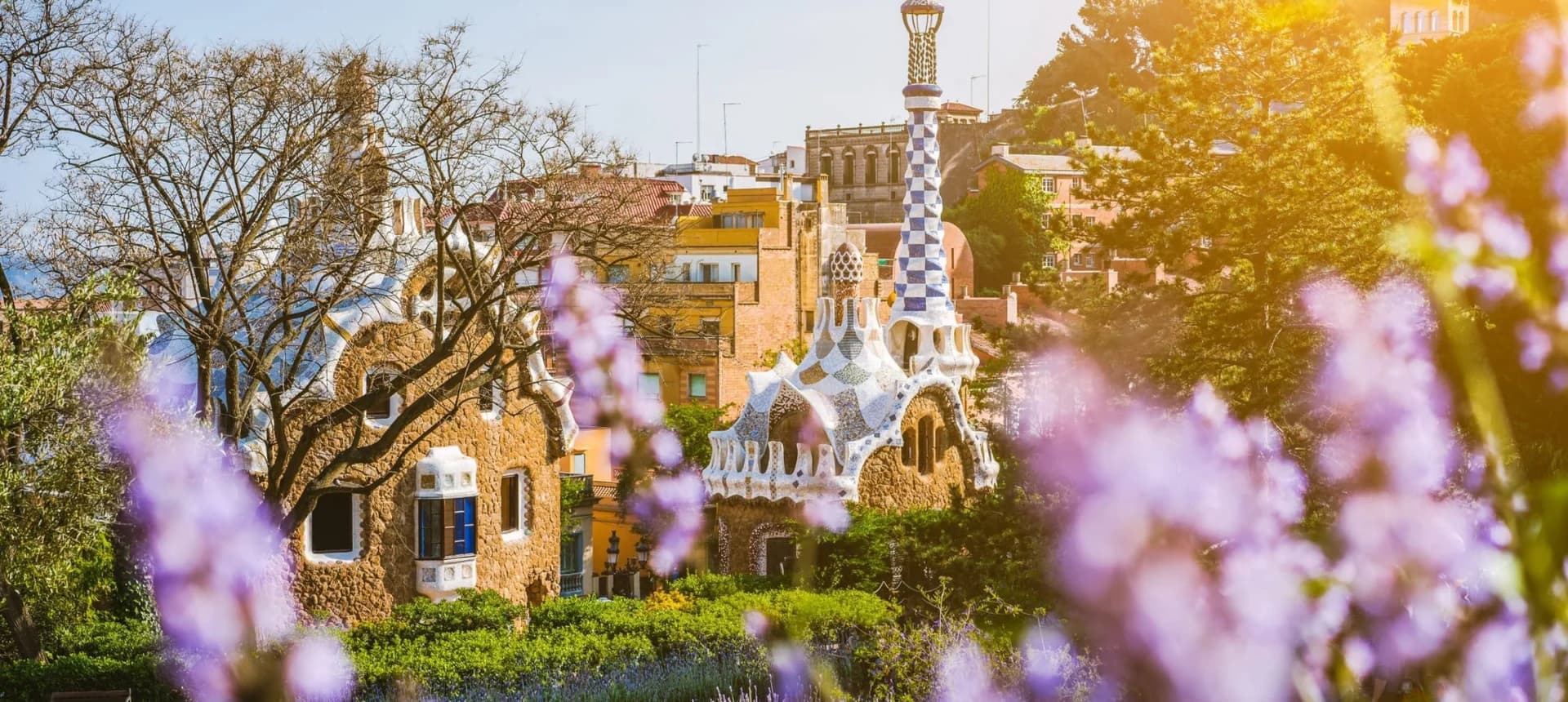
Nestled amidst a dense forest on top of Carmel Hill, Park Güell is a must-visit site for anyone in Barcelona.
This whimsical site designed by legendary architect Antoni Gaudí is known for its unique architecture, and surrealist ambiance, which will make you feel like you are in a Dr. Seuss storybook.
Parl Güell is one of Gaudí’s most fascinating works, and thanks to its cultural and historical significance, it was listed as a World Heritage Site by UNESCO.
Whether you're a history buff, an art enthusiast, or simply seeking a tranquil escape, this iconic park is definitely worth exploring.
To ensure your experience is seamless and unforgettable, we've created a thorough guide for visiting Park Güell.
Below, you’ll find everything you need to know about the park — from fascinating historical insights to insider recommendations, and practical information, we tell it all.
About Park Güell
History of Park Güell
The history of Park Güell (Pac Güell) dates back to the early 20th century when it was commissioned by Eusebi Güell.
He was a wealthy Catalan industrialist who had bought a plot of land on a hill in the South of Barcelona with the intention of creating a stylish park for Barcelona aristocracy.
Eusebi Güell was strongly inspired by the English garden city movement and wanted a residential community surrounded by nature and designed in harmony with the landscape.
Güell entrusted the project to the brilliant Catalan architect Antoni Gaudí, who transformed the vision into a magnificent reality.
Construction on Park Güell began in 1900 and continued for over a decade. But despite its visionary concept and architectural brilliance, the project did not receive the anticipated interest from buyers.
Due to the high construction costs, only two houses and the park were completed.
Eventually, in 1922, the Güell family donated the park to the city of Barcelona. Later on, in 1926, Park Güell officially opened to the public as a municipal garden.
Over the years, Park Güell has become an iconic symbol of Barcelona and a UNESCO World Heritage Site.
Its unique architectural elements, such as the famous dragon-shaped mosaic fountain and the colorful tiled benches, continue to captivate visitors from around the world.
Today, the park attracts millions of tourists each year who come to admire Gaudí's masterpieces and revel in the tranquil beauty of this extraordinary urban oasis.
The architecture of Park Güell is a true testament to the unique and visionary style of Spanish-Catalan Antoni Gaudí.
Considered one of the most prominent figures of the Catalan Modernism movement (Catalan Art Nouveau), Gaudí incorporated his signature architectural style, influenced by nature and characterized by organic shapes, colorful mosaics, and innovative structural techniques.
One of the most striking features of Park Güell is its whimsical shapes. While exploring the site, you’ll see plenty of flowing lines, undulating curves, and asymmetrical forms that mimic the shapes found in the natural world.
This can be seen in the sinuous pathways, the undulating bench structures, and the fantastical elements throughout Park Güell.
Another hallmark of Gaudí's work in Park Güell is the use of vibrant colors and intricate mosaic work.
You’ll see eye-catching mosaic tiles, known as trencadís, adorning various surfaces. These multicolored mosaics add a spectacular burst of color and create a playful and captivating atmosphere in the park.
Gaudí's innovative structural techniques are also evident in Park Güell. He incorporated arches, columns, and vaults that not only provided structural support but also became integral design elements.
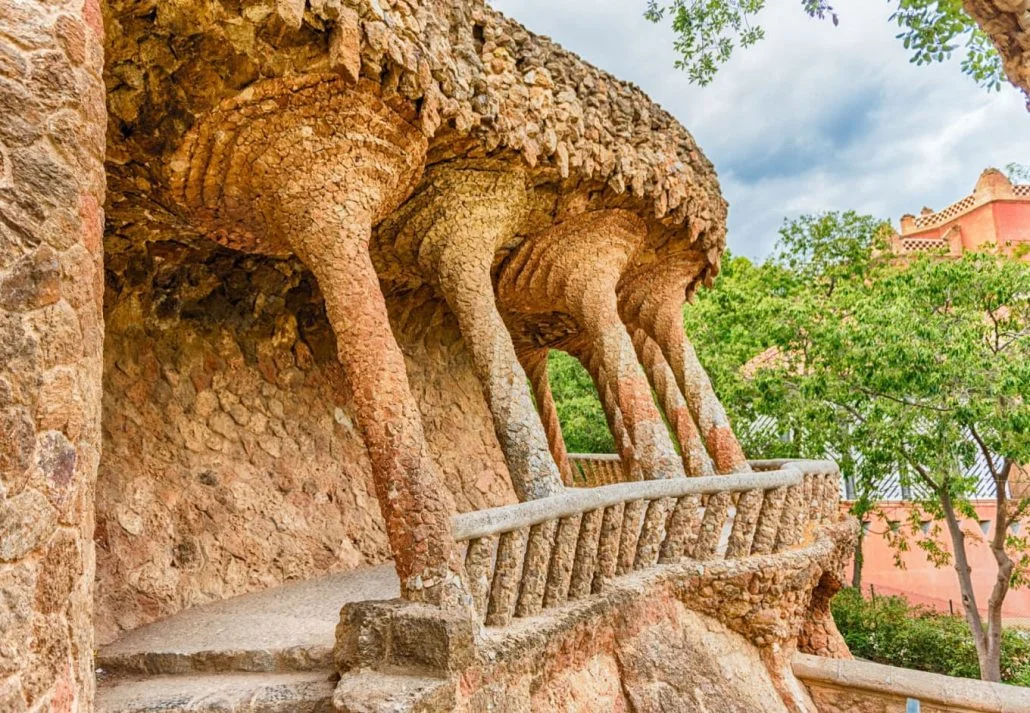
The columns, for example, are reminiscent of tree trunks, and the vaulted ceilings resemble the natural formations of caves.
Gaudí's use of these unique structural elements adds a sense of harmony and organic unity to the architecture.
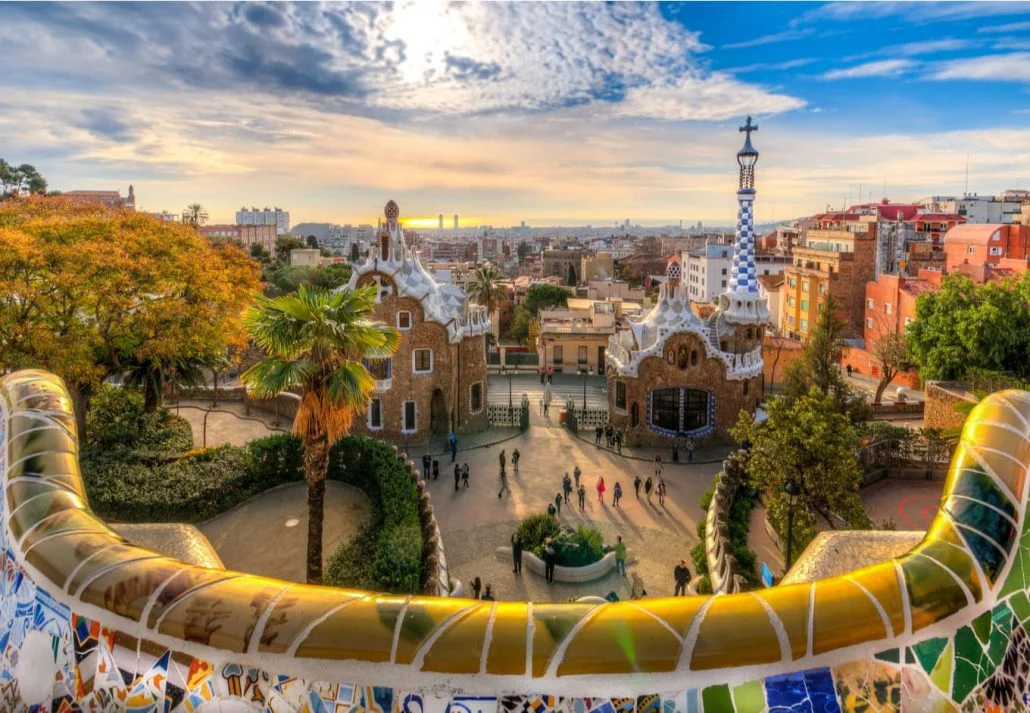
In addition to the structural elements, Park Güell offers breathtaking panoramic views of Barcelona.
The architect strategically placed the park's terraces and viewpoints to showcase the city's beauty and create a harmonious connection between the built environment and the natural landscape.
The park was initially intended to be a residential complex with 60 houses, but only 2 houses were ever built.
The lack of interest from buyers led to the transformation of the project into a public park.
Eusebi Güell, the wealthy industrialist who commissioned the project, was a close friend and patron of Antoni Gaudí.
The iconic dragon-shaped mosaic fountain at the entrance of the park, known as the "Salamander," has become one of the most recognizable symbols of Park Güell.
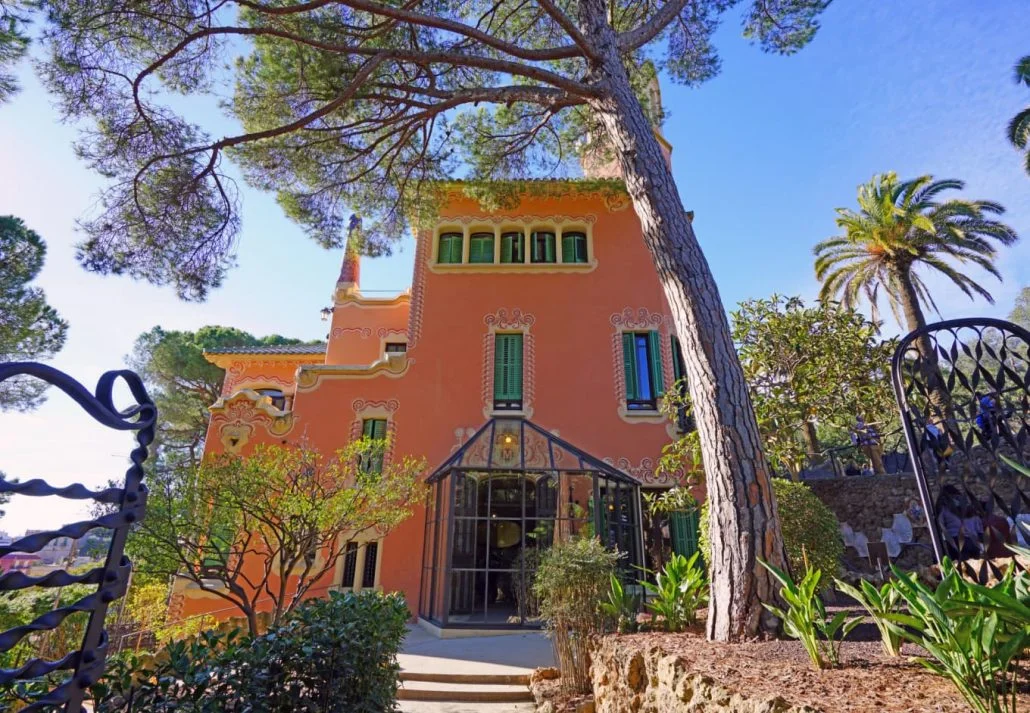
Antoni Gaudí lived in one of the houses of Park Güell until his death, in 1926. The residence is now the Gaudí House Museum.
The house where Gaudí lived in Park Güell had not been designed by him. It was the creation of architect Francesc Berenguer.
Park Güell was declared a UNESCO World Heritage Site in 1984 due to its outstanding universal value as a masterpiece of creative genius and an exceptional example of Gaudí's architectural style.
The park attracts more than 9 million people every year, making it one of Barcelona's top tourist attractions.
Park Güell Tour: What To See In Park Güell
Park Güell is divided into two parts: the Monumental Zone and the Free Zone.
The Park Güell Monumental Zone is the most interesting area of the park, as it features Antoni Gaudi’s work and covers around 5% of the park.
It includes iconic features like the entrance pavilion, the staircase, the serpentine bench, and Gaudi's house.
During a Park Güell tour, there are several main highlights and must-see attractions that you should explore.
Here are the key features to experience in the Monumental Zone:
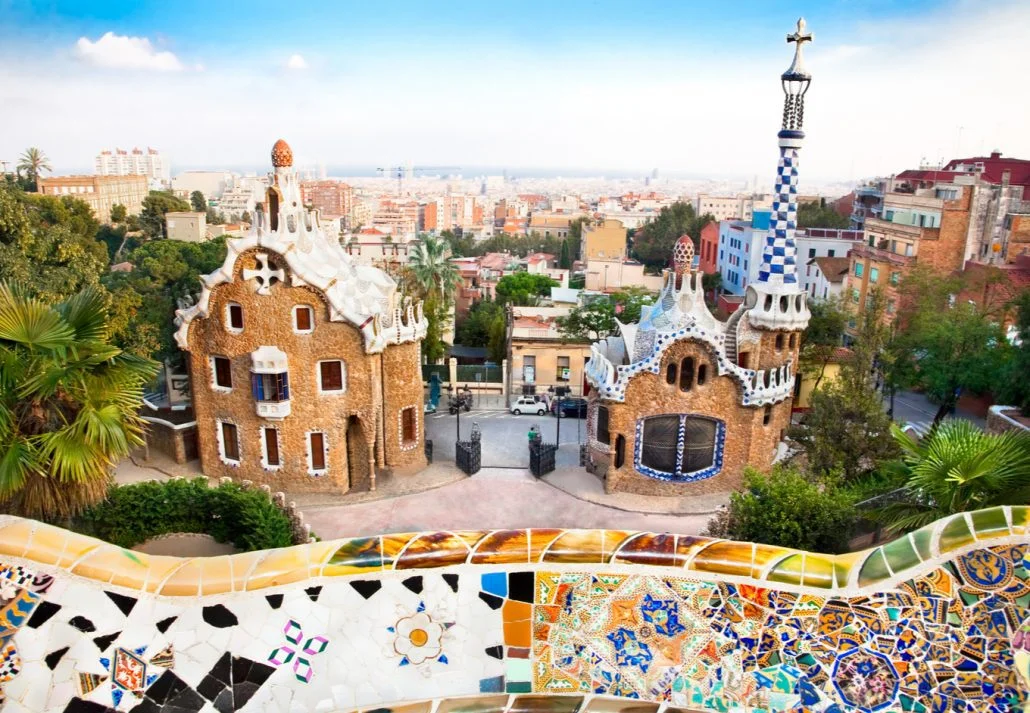
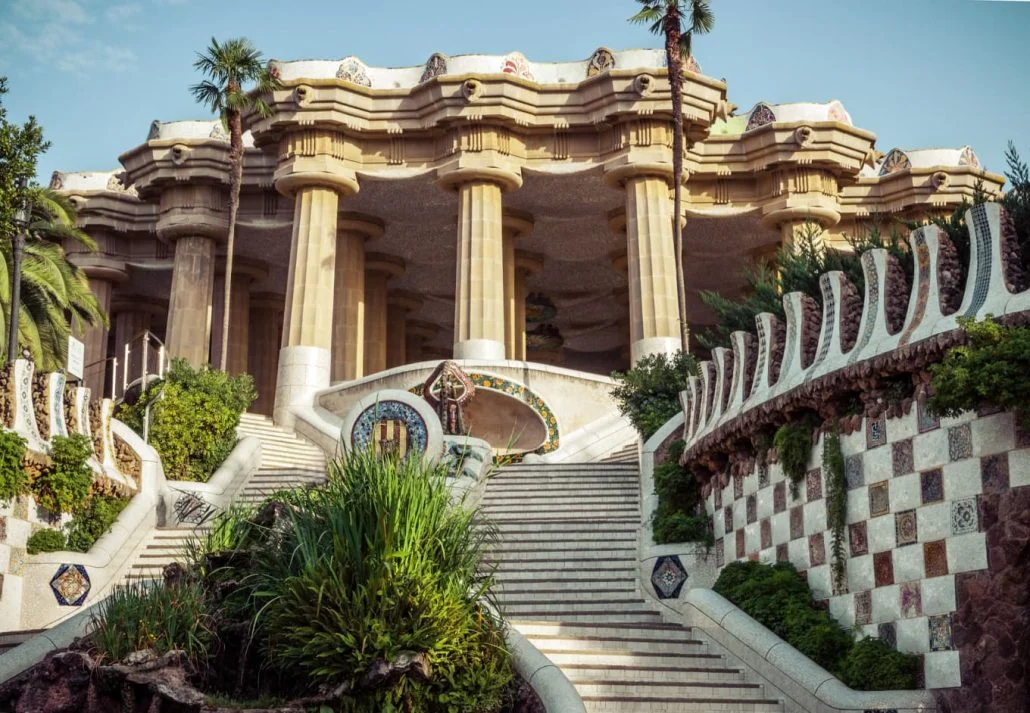
The Porter's Lodge Pavilion and Dragon Stairway
As you enter the park, you'll encounter the Porter's Lodge Pavilion, which has a beautiful roof that is covered in the traditional Catalan clay trencadís.
Then, you'll see the colorful Dragon Stairway, adorned with a mosaic dragon fountain.
This iconic symbol of Park Güell is a popular spot for photos and sets the tone for the whimsical atmosphere of the park.
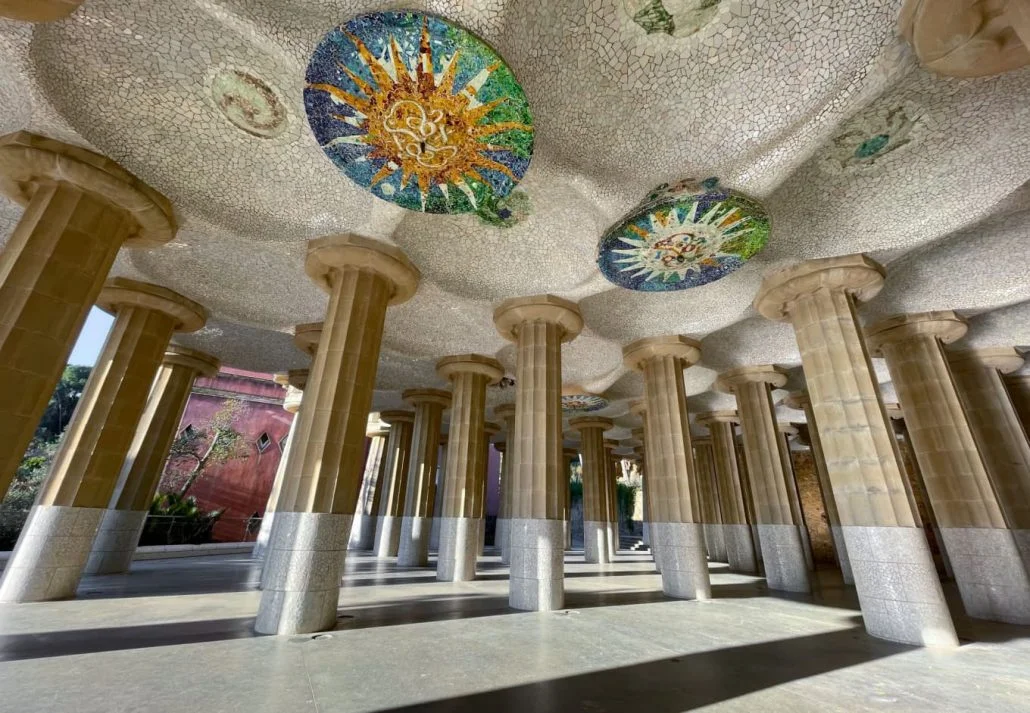
The Hypostyle Room
Proceeding to the main terrace, you'll discover the Hypostyle Room. This unique space is characterized by a series of impressive stone columns that resemble the trunks of trees.
The columns create a surreal and enchanting atmosphere, providing a fantastic photo opportunity.
The Nature Square
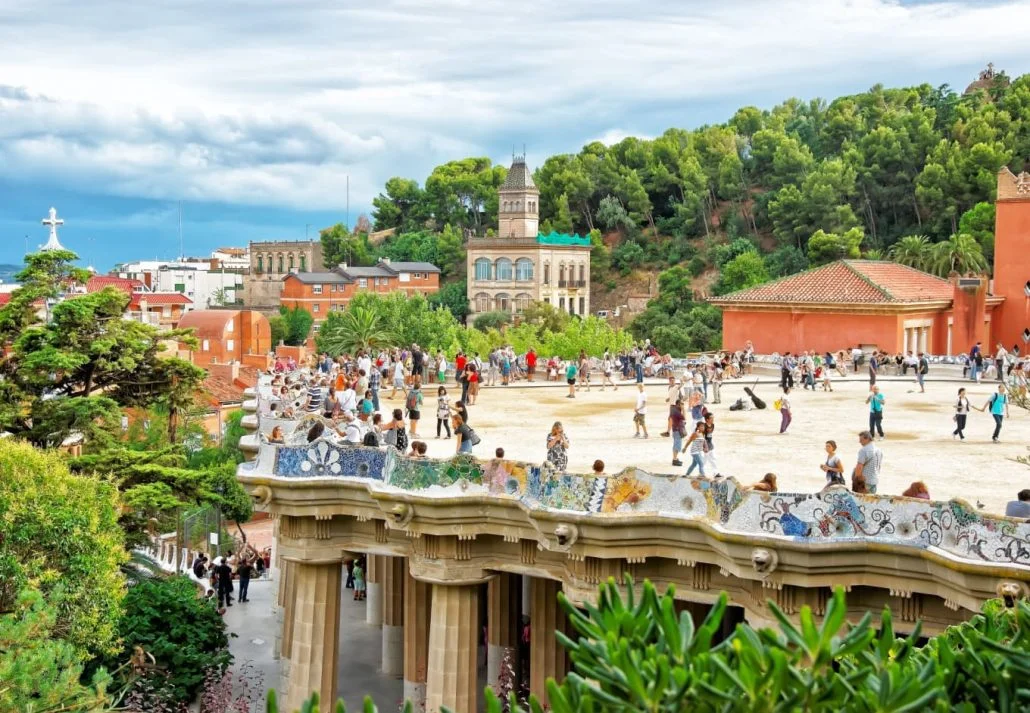
Located at the heart of the park, the Nature Square (aka Greek Theater) is a vast open area surrounded by a continuous bench adorned with vibrant mosaic tiles, known as the Trencadís Bench.
The bench offers panoramic views of Barcelona and invites visitors to relax and soak in the beauty of the surroundings.
The Austria Gardens
Adjacent to the main terrace, the Austria Gardens offer a peaceful escape with beautifully landscaped green areas, sculptures, and stunning views of Barcelona's skyline. Take a leisurely stroll through the gardens and enjoy the tranquility.
Gaudí's House Museum
Situated within the park, Gaudí's former residence is now the Gaudí House Museum.
Explore the rooms where the architect lived and discover an exhibition showcasing furniture, personal belongings, and drawings that provide insight into Gaudí's life and work.
Visiting Park Güell
Where is Park Güell Located
Park Güell is situated between the neighborhoods of El Coll, La Salut, Vallcarca i els Penitents, El Carmel and Can Baró, in the districts of Gràcia and Horta-Guinardó.
How To Get To Park Güell
Getting to Park Güell in Barcelona can be done through various transportation options. Here are a few ways to reach the park:
Metro: Take the metro Line 3 (Green Line) and get off at the station "Lesseps" or "Vallcarca." From there, you can walk uphill for approximately 15-20 minutes to reach the main entrance of Park Güell. Please note that the walk includes a steep incline.
Bus: Several bus lines operate routes that stop near Park Güell. The most convenient options are bus lines H6, 32, 24, 92, and 116. Check the local bus schedule and plan your route accordingly.
Taxi or Ride-Sharing: Taxis and ride-sharing services are widely available in Barcelona. You can simply request a taxi or use a ride-sharing app to take you directly to Park Güell. Be sure to mention the address "Carrer d'Olot, 7, 08024 Barcelona" to the driver for the main entrance.
Private Transportation: If you prefer a more organized and guided experience, you can book a private tour or arrange for a private car or van to take you to Park Güell. This option allows for convenience and flexibility, particularly if you are traveling with a group or have specific timing preferences.
Remember to plan your visit in advance, especially during peak tourist seasons, as Park Güell requires a timed-entry ticket to manage crowd capacity.
Tickets To Park Güell
You can buy the Park Güell Tickets at the box office machine outside the park and in the Lesseps and Vallcarca metro stations.
However, that’s not advisable. Park Güell is one of the most popular attractions in Barcelona, and the city is busy year-round.
In order to ensure that you get a ticket, make sure to buy one beforehand in advance via Park Güell's website.
After buying your Park Güell tickets online, show the QR Code on your smartphone or tablet (no need to print them), and you can go straight to the relevant entry points.
Please note that tickets are assigned on the basis of time slots, and tourist visits are limited to 400 people every half hour to avoid crowding.
This means you can enter the paid area up to 30 minutes after your allocated start time.
For example, if you have a reservation for 9:30, you can enter the park until 10:00. Once that 30-minute deadline has passed, you won’t be able to access the park anymore.
Once you are inside the park, you can take as long as you like. Once you have left the exited, you cannot re-enter the site.
Local residents are free to come to Park Güell, at no cost, at any time during its opening hours (7 am to 10 pm).
They don’t have to book tickets in advance to use this type of access.
Here are the ticket prices for entering Park Güell:
Park Güell offers guided tours in various languages.
While a guided tour of Park Güell comes at an additional cost (12€ per person* + ticket to the park), it can provide valuable insights and enrich your understanding of this iconic landmark.
The tours last about one hour and are led by professional tour guides who are well-versed in the history, symbolism, and architectural significance of Park Güell.
These knowledgeable guides can provide detailed information about the park's creation, its connection to Antoni Gaudí, and the artistic principles behind its design.
Learning about the park's context and background can deepen your appreciation for its unique features.
Meeting Point: Carretera del Carmel, 23
Tips For Visiting Park Güell
When visiting Park Güell in Barcelona, here are some top tips to enhance your experience:
Book tickets in advance to ensure entry and avoid long queues.
Park Güell can get crowded, especially during peak hours. Consider arriving early in the morning or later in the afternoon to avoid the largest crowds and enjoy a more tranquil experience.
Wear Comfortable Shoes, since the park features hilly terrain and uneven pathways.
Bring water and snacks. There are limited refreshment options inside the park, so staying hydrated and fueled is important.
Respect the rules to protect the Park’s architectural and natural features. Follow the guidelines, such as not climbing on the structures or touching the mosaic surfaces, to help preserve the park for future visitors.
Capture memories responsibly. Photography is allowed in most areas of the park, but be mindful of other visitors and avoid obstructing pathways or congesting popular photo spots.
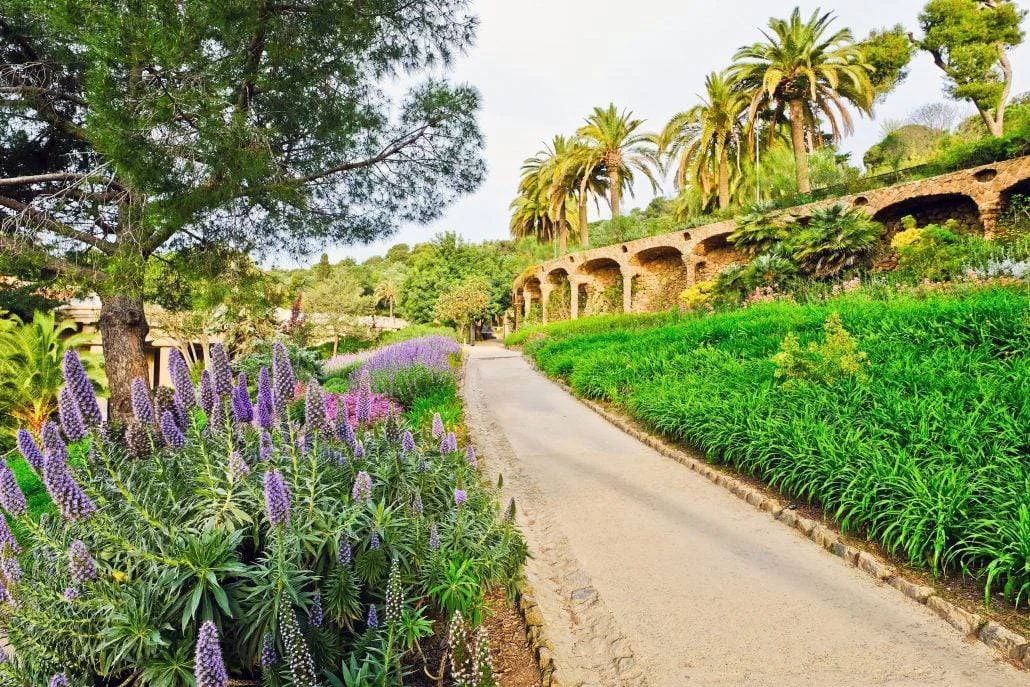
While the main terrace is a highlight, don't forget to explore the park's other areas, such as the Austria Gardens and the colonnaded pathway.
Check the weather forecast beforehand to dress appropriately and prepare for any potential rain or intense heat.
Consider joining a guided tour to gain deeper insights into Gaudí's architecture and the history of Park Güell. Knowledgeable guides can provide fascinating information and anecdotes that enhance your understanding and appreciation of the park.
Park Güell offers stunning panoramic views of Barcelona. Take the time to soak in the cityscape, including the Sagrada Família and the Mediterranean Sea, from the park's viewpoints and terraces.
Find your kind of stay
Compare millions of stays — hotels, apartments, villas, and more
Is it better to go to Park Guell in the morning or evening?
Generally, mornings tend to have fewer visitors, especially during weekdays. This can provide a more peaceful and relaxed atmosphere, allowing you to explore the park with fewer crowds.
Why is Park Güell so popular?
Park Güell's popularity is a result of its architectural brilliance, cultural significance, natural beauty, and the opportunity it provides to step into Gaudí's imaginative world. It has become a must-visit attraction in Barcelona, attracting millions of visitors each year who are drawn to its charm, uniqueness, and artistic allure.
Flying from Europe for World Cup 2026? Read This
Flying to the 2026 World Cup from Europe? Your complete guide to visas, flights, cities, and travel tips across the USA, Canada, and Mexico.