CuddlyNest is the world's largest vacation rental search engine, comparing millions of accommodations across 200+ booking sites. Our editorial team of seasoned travelers and local experts shares insider tips, destination guides, and travel inspiration to help you plan the perfect trip — whether you're booking a cozy cabin, a beachfront villa, or an apartment in the heart of the city.
San Francisco handsomely rewards urban explorers with a laundry list of attractions that go way beyond the cliched tourist destinations. Fabled museums & art galleries, lush urban parks, charismatic neighborhoods, history-filled sites, and international eateries abound in the city, making it a perfectly rounded break full of food, culture, and outdoor activities.
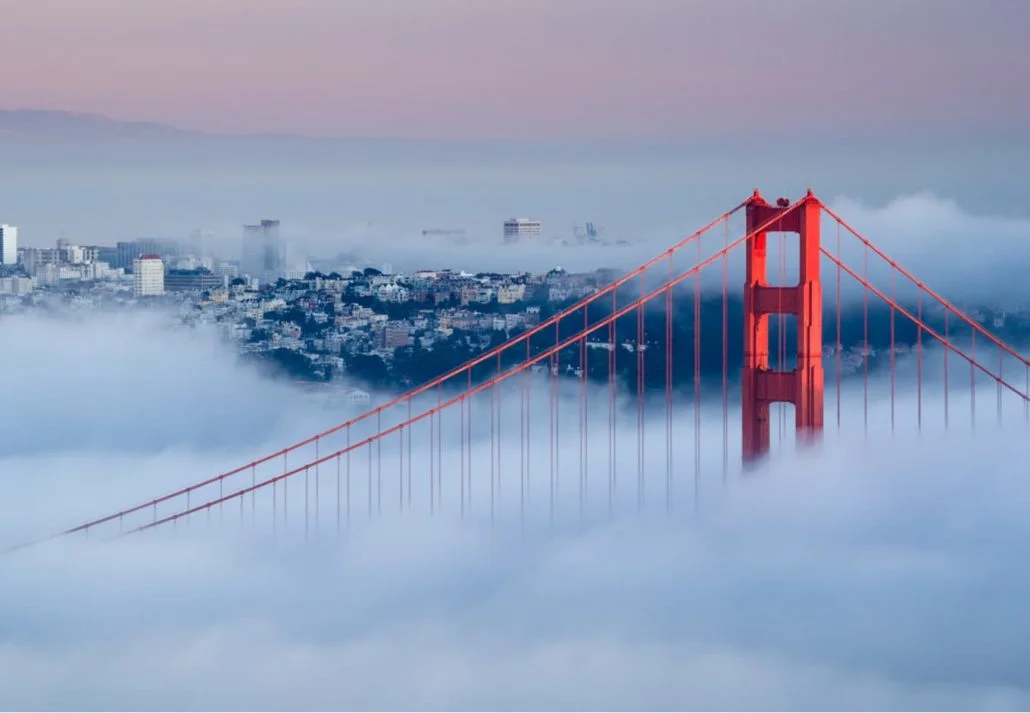
Fulfilling almost every idea of how a perfect city should be formed, San Francisco also happens to be known for its capricious weather. Fog and cool winds, which can suddenly roll in on a sunny day, are a common weather phenomenon in the San Francisco Bay Area. Summers in the city can be unusually cool because of the cold current that flows along the coast of California.
Mysterious climate patterns make it challenging to decide when to visit San Francisco. But worry not, we’re here to help. In this thoughtful guide, we break down what is the best time to visit the city based on not only weather, prices, and events. Have a look below to learn more!
San Francisco has a warm-summer Mediterranean climate, characterized by moist, mild winters and dry summers. The city’s weather is strongly influenced by the cool currents of the Pacific Ocean on the west, and the water of San Francisco Bay to the north and east. This moderates temperature swings and creates a mild year-round climate with little seasonal temperature variation.
As a result, the year's warmest months are September, when the city experiences the so-called “Indian Summer” — an unseasonably warm, dry weather that happens during autumn in some places in the northern hemisphere.
Springtime, which runs from March until June, brings mild temperatures, with averages of 17ºC. The first month of Spring is the rainiest. In April and May, precipitation decreases, and daytime temperatures can peak at around pleasant 18ºC.
Summer
Unlike other parts of the United States, summers in San Francisco are chill, windy, and often damp. Average highs are barely rising above 20 °C, and temperatures can plummet as low as 12ºC. Temperatures above 27º C are unusual.
During the summer months (June to August), there might be fog in the morning and sometimes in the afternoon. The fog begins to dissipate in August or early September, bringing warmer weather.
This is the dry season in San Francisco, and you are unlikely to see any rain.
Fall
Fall marks a prime time for the San Francisco weather. In, September the city experiences the “Indian Summer” — an unseasonably warm, dry weather that happens during autumn in some places in the northern hemisphere. Not by chance, the weather during the fall is often warmer than it is in the summer, with blue skies from the bayside to Ocean Beach.
In September and October, average temperatures peak around 23°C and are combined with a low probability of both precipitation and fog. Days are sunny and warm and nights are crisp and clear. In November, however, precipitation increases while the average temperature gradually goes down.
Winter
Wintertime in San Francisco is characterized by slightly cold weather and rains. Average high temperatures hover around 14ºC, and more than half of annual precipitation falls during three winter months: December, January, and February. The normal monthly mean temperature reaches its lowest in January at 10.7 °C.
The Best Time To Visit San Francisco
For Pleasant Weather
If you’re looking for clear skies, less fog, mild temperatures, and fewer rainy days, September — just after Labor Day weekend — until early November is the best time to visit San Francisco. These are the city's warmest months, providing amazing weather and the most perfect conditions to enjoy outdoor activities and explore San Francisco.
For Lowest Prices & Fewer Crowds
The most affordable time to visit San Francisco is during the winter (except the Christmas holiday week). Temperatures are colder and the rain sets in, meaning thinner crowds and lower rates for accommodations and flights.
If you travel to San Francisco in December or January rates will be 15 percent less. The cheapest month to fly to San Francisco is January.
For Activities & Events
San Francisco has a variety of bustling events citywide running throughout the year. So, when it comes to amazing things to do in the city, every season is a good bet.
During the spring, San Francisco celebrates the eye-popping Cherry Blossom Festival (March), as well as Cinco de Mayo (May). In Marche, there's also San Francisco's St. Patrick's Day Festival and Parade, the biggest Irish celebration on the West Coast.
Summer is also the perfect time to take advantage of San Francisco's bustling calendar of events. Some of the top festivals taking place from June to August include the Haight Ashbury Street Fair, North Beach Festival, Union Street Music Festival, SF Jazz Festival, and LGBTQ Pride Weekend.
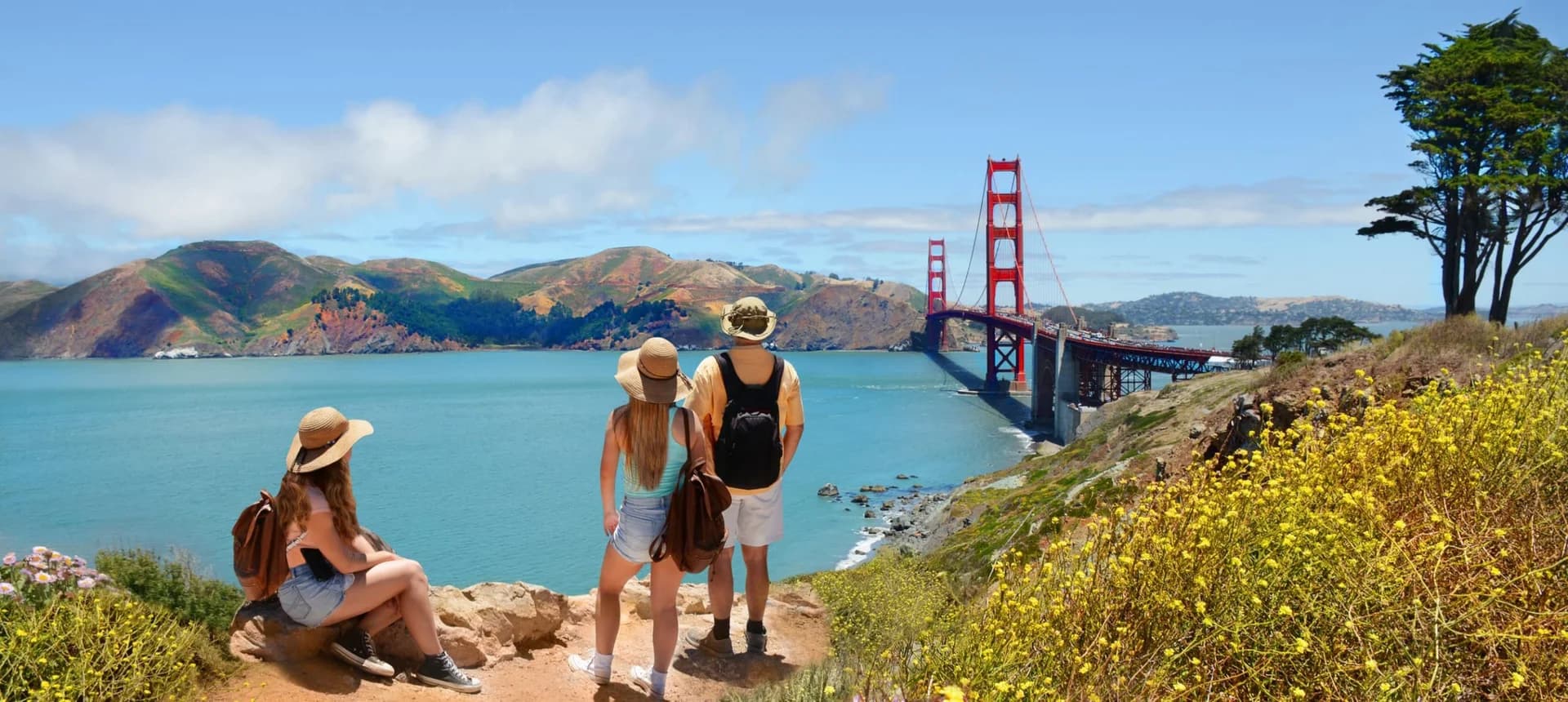
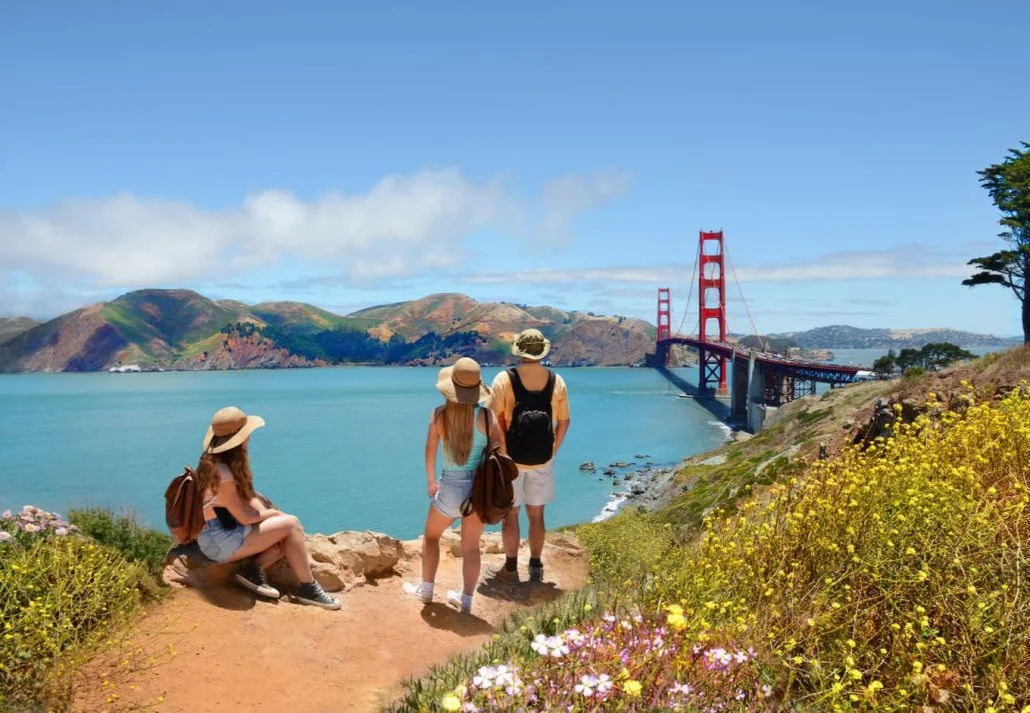
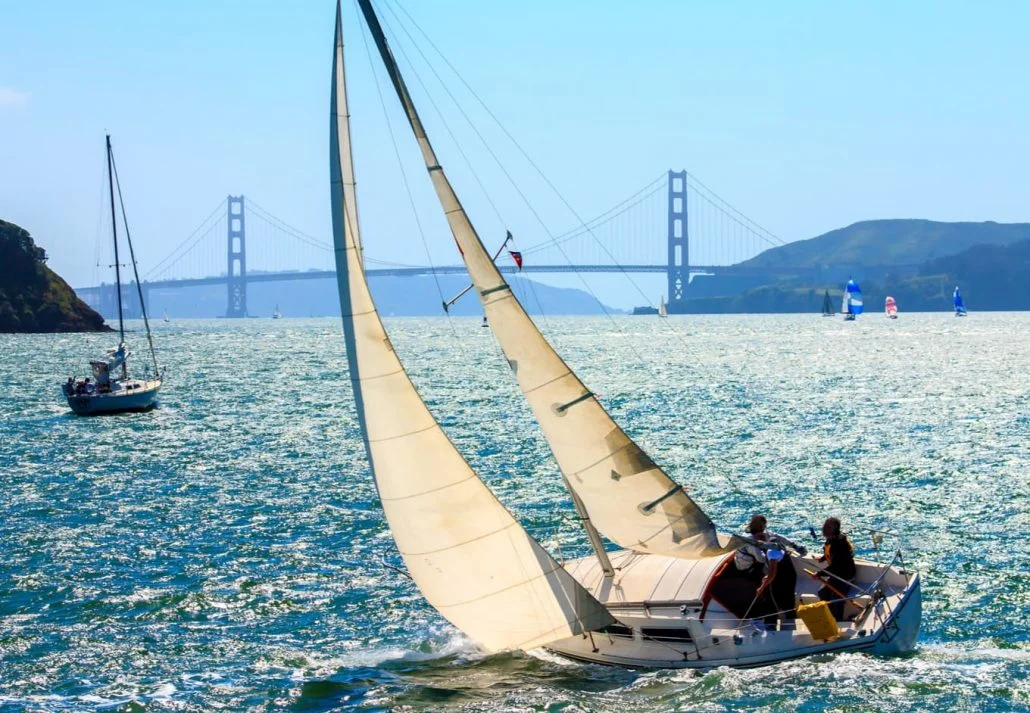
Springtime arrives bringing glorious weather and an array of dazzling experiences. Due to the weather conditions, this is a prime time to see the iconic Golden Gate Bridge and visit San Francisco's beaches. Bucket-list festivals happening during the spring include the Folsom Street Fair, the world's largest leather event, the San Francisco Fringe Festival, and Día de Los Muertos.
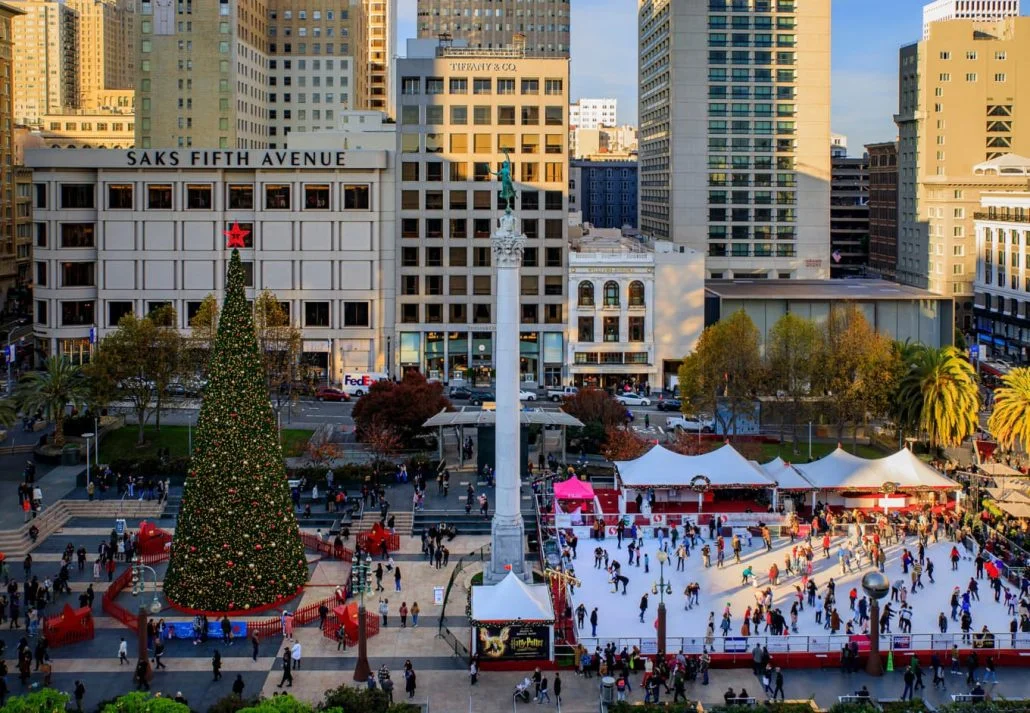
Despite the cool weather and frequent rain, winter can be a great time to visit San Francisco. During that time of year, the city is glittering with holiday lights and events, and travelers can marvel at all the beautiful Christmas displays around the town Union Square Ice Rink.