CuddlyNest is the world's largest vacation rental search engine, comparing millions of accommodations across 200+ booking sites. Our editorial team of seasoned travelers and local experts shares insider tips, destination guides, and travel inspiration to help you plan the perfect trip — whether you're booking a cozy cabin, a beachfront villa, or an apartment in the heart of the city.
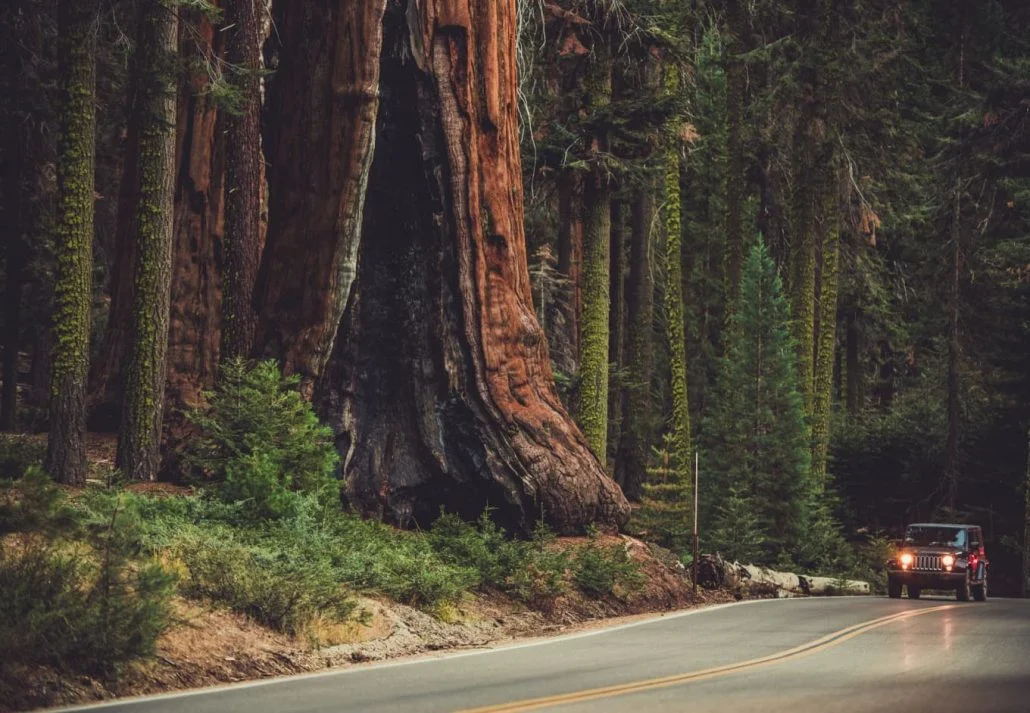
Nestled amidst the stunning Sierra Nevada Mountains in California, the Sequoia National Park has some of the most stunning landscapes in the United States.
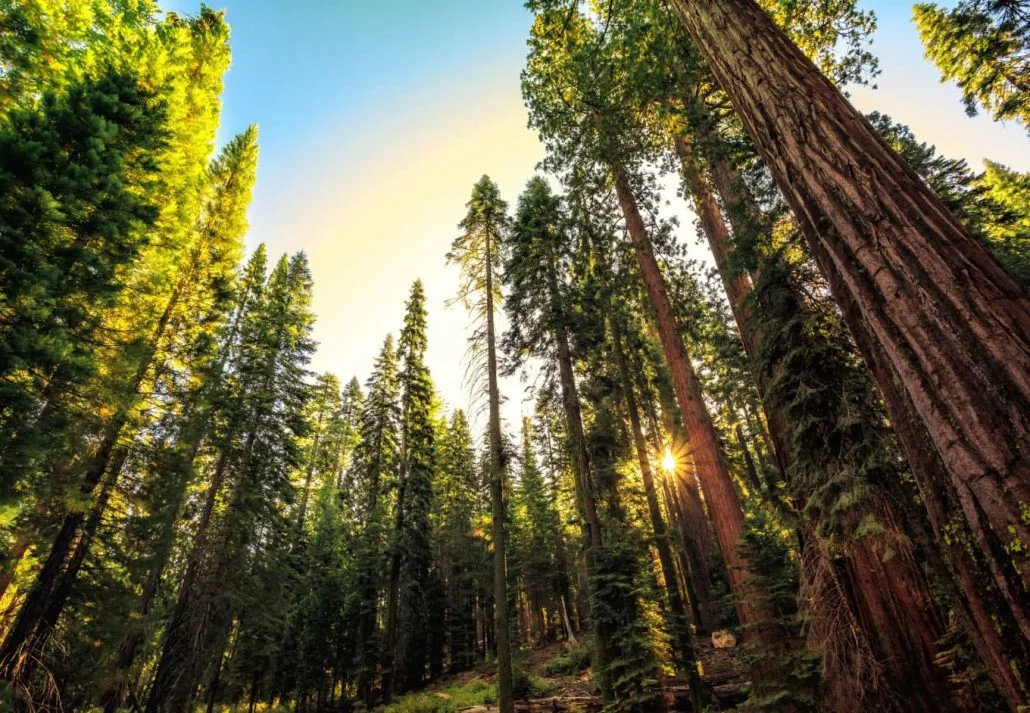
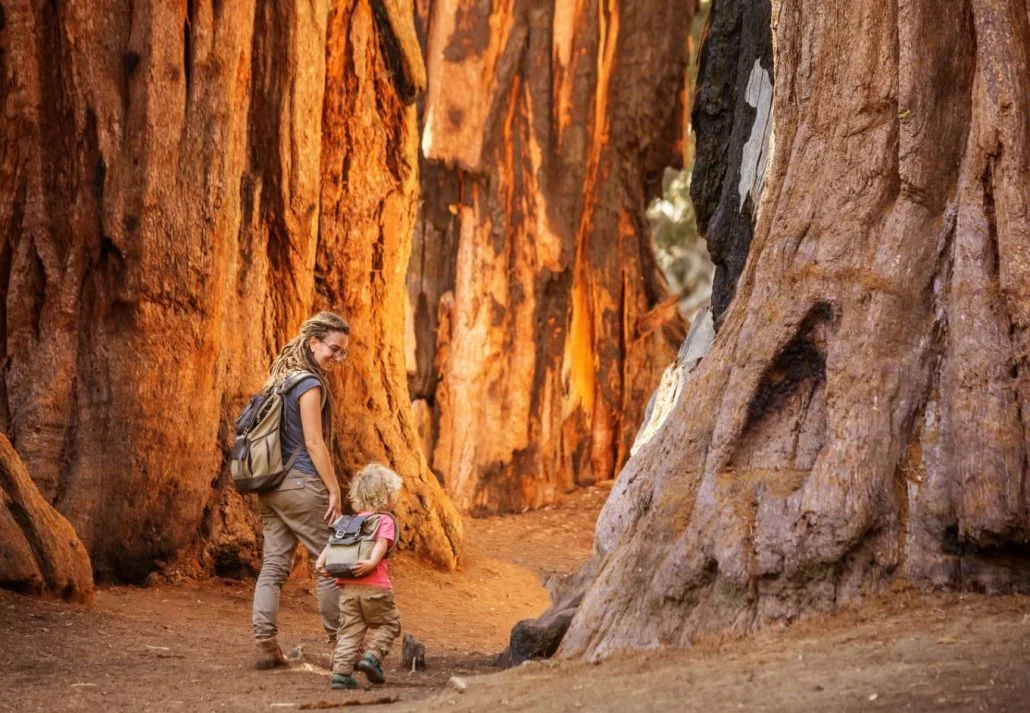
Think of giant sequoia trees, majestic mountains, crystal clear rivers, towering granite cliffs, and cascading waterfalls.
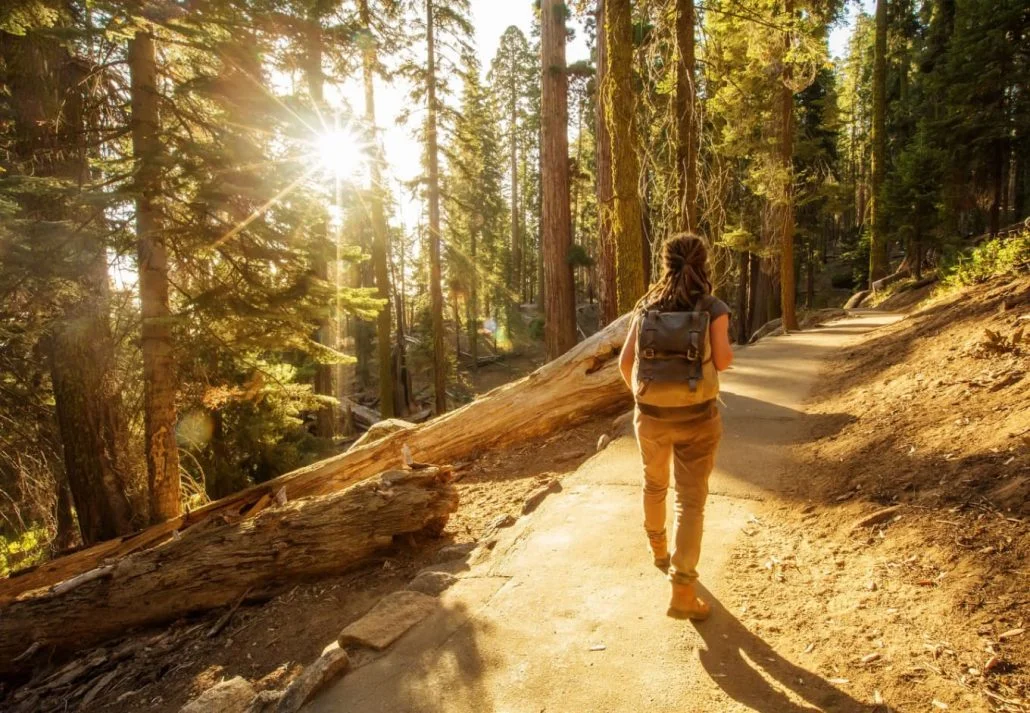
The park's natural wonders can be explored through scenic drives, exhilarating hikes, and romantic stargazing sessions.
Seeking to explore the immense beauty of this sprawling park? We've got you covered.
Here's a comprehensive guide with all you need to know before visiting Sequoia National Park — when to go, how to get there, where to stay, what to see and do, and more.
Bonus: at the end of the post, you'll find answers to the most frequently asked questions about Sequoia National Park. This will help you better prepare and make the most of your time in the park.
10 Fun Facts About The Sequoia National Park
Sequoia National Park harbors the tallest mountain in the contiguous U.S., Mount Whitney, at 14,494 feet.
Created to protect the groves of giant sequoia trees, Sequoia National Park was the first national park formed to protect a living organism.
Established in 1890 by President Benjamin Harrison, Sequoia is the second-oldest national park in the USA, after Yellowstone.
The park has over 1,200 vascular plant species representing 20% of the total number known to occur in California.
There are more than 300 animal species found in Sequoia.
At least 200 caves are located beneath Sequoia National Park.
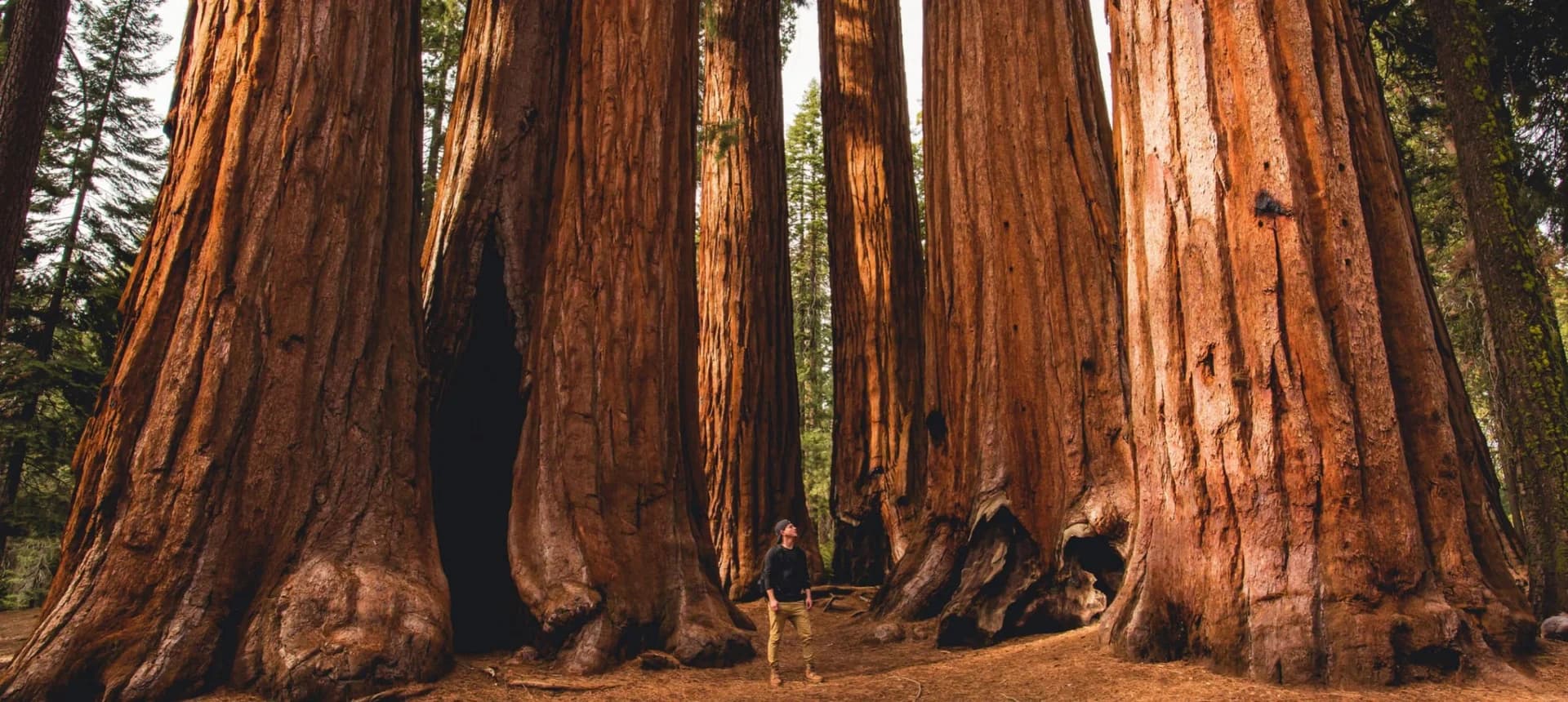
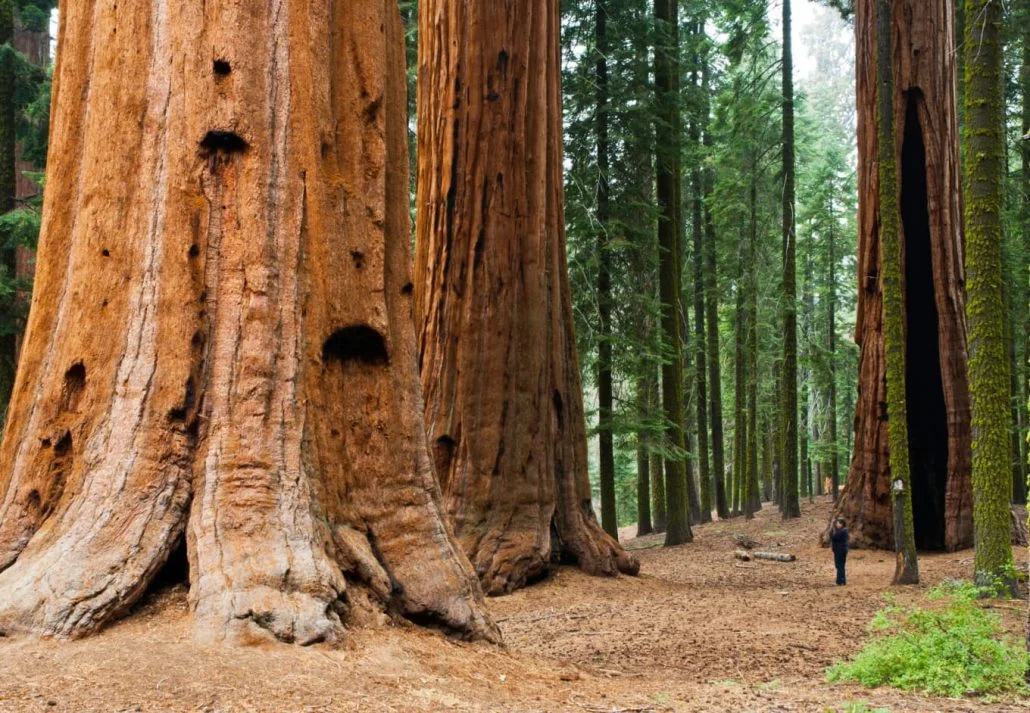
The Giant Forest located within the park is dotted with 8,000 giant sequoias. This represents half of the world’s sequoia trees!
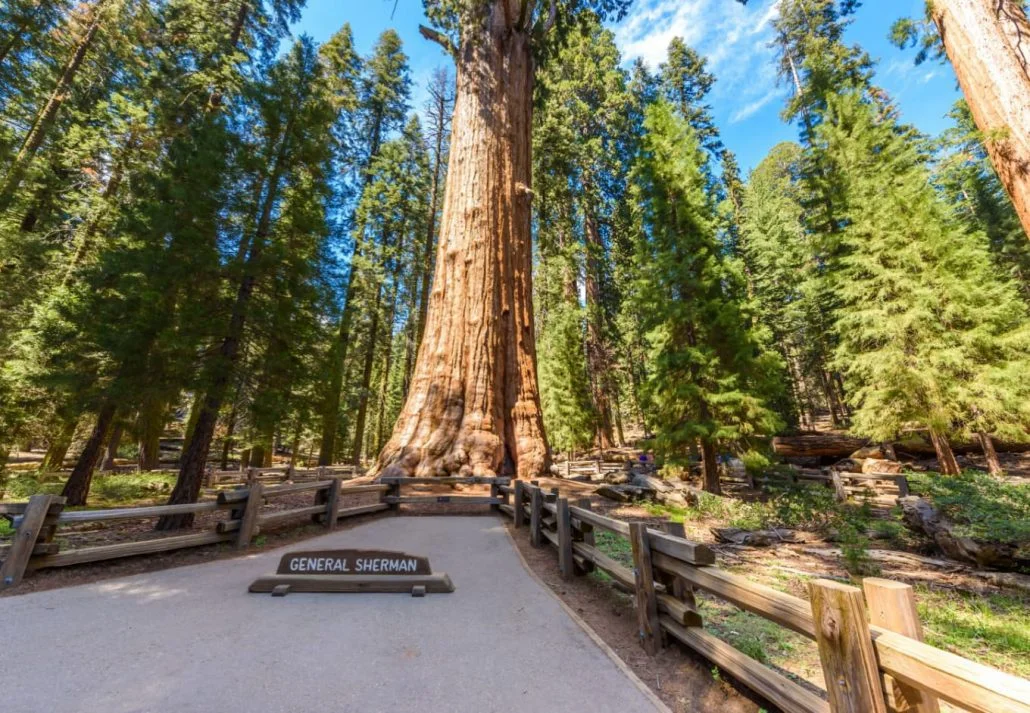
Sequoia National Park is home to the world’s largest tree by volume: the General Sherman Tree. It stands at 275 feet tall and it's over 36 feet in diameter at its base.
Sequoia National Park is inhabited by two endangered species: the California spotted owl and the Pacific fisher.
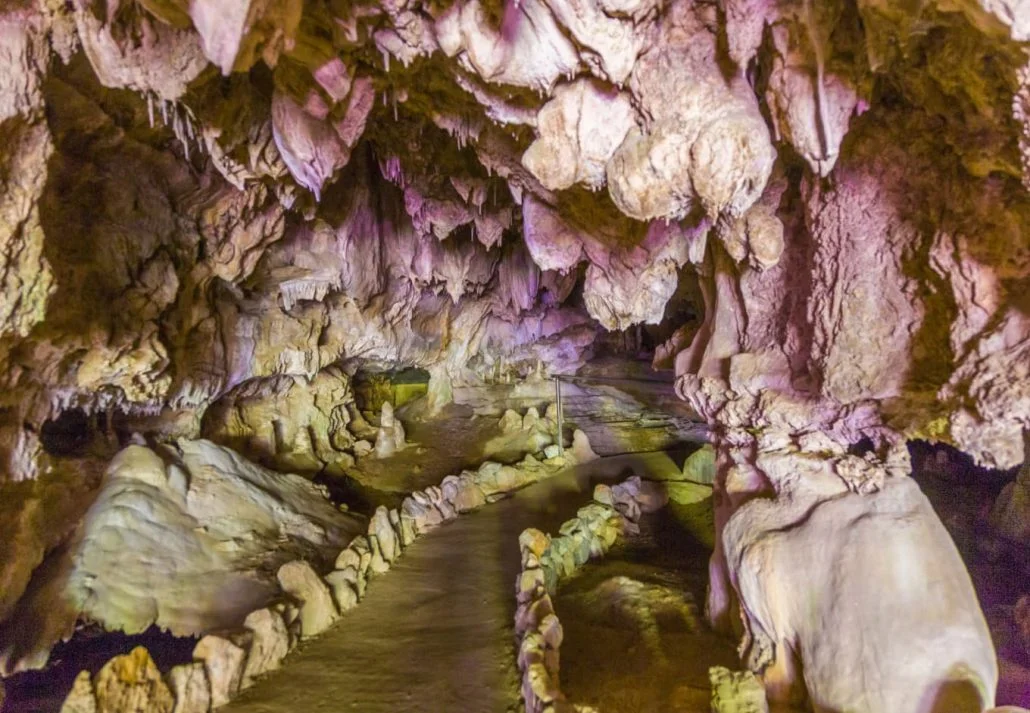
Crystal Cave is the only accessible cavern within the park. This cave is made of marble polished by subterranean streams and is adorned with icicle-like stalactites and stalagmites.
Sequoia National Park X Kings Canyon National Park
Before we dive into the Sequoia guide, let’s answer this frequently asked question: “Are Sequoia and Kings Canyon National Parks the same?”
No, Sequoia and Kings Canyon are two separate parks. However, they have been managed together since 1943, and share the same borders (and entrance fees).
So, while they are adjacent to each other and jointly administered, they are distinct parks with their own unique features and attractions.
Sequoia National Park is renowned for its giant sequoia trees, including the General Sherman Tree, the largest tree on Earth.
Kings Canyon National Park is best known for its deep and rugged canyon landscape carved by the mighty Kings River.
Both parks offer incredible natural beauty and opportunities for outdoor adventures, but each has its own distinct character.
This travel guide will focus solely on Sequoia National Park.
Why Visit The Sequoia National Park
The Sequoia National Park is a veritable sanctuary for those seeking solace in the arms of Mother Nature.
Nestled in Central California, the park stretches over 400,000 acres of unspoiled wilderness and encompasses dense groves of giant sequoias, the largest trees on the planet.
Standing amidst these towering giants, like the towering General Sherman Tree, is a humbling experience that will leave you in awe of nature's grandeur.
Not to mention that these spectacular trees have stood the test of time and can live up to 3,000 years.
Aside from massive trees, Sequoia National Park has breathtaking granite peaks, picturesque meadows, cascading waterfalls, and crystal-clear rivers.
This amalgamation of spectacular natural features creates an amazing backdrop for a variety of outdoor activities like hiking, rock climbing, camping, backpacking, and fishing.
Wildlife watching is also big here. Some of the year-round and seasonal residents of the park include the chickaree, gray squirrel, golden-mantled ground squirrel, mule deer, black bear, mountain lion, and more.
Where Is The Sequoia National Park Located
Sequoia National Park is located in the southern Sierra Nevada Mountains, in east-central California.
Visalia, California, is the closest city to Sequoia National Park. The city is located less than 40 miles (40-minute drive) from the park.
Sequoia National Park is 220 miles from Los Angeles (4h30 drive), 342 miles from San Diego (6h40 drive), 280 miles from San Francisco (5h40 drive), and 264 miles from Sacramento (5h30 drive).
How to Get to Sequoia National Park
By Car
Reaching Sequoia National Park by car is easy and convenient, as several major cities within the US offer easy road access to the park.
Find, below, the driving instructions to Sequoia National Park's Ash Mountain Entrance on Hwy 198.
Please note that the drive to Sequoia is mountainous, narrow, and winding. Also, there are no gas stations within park boundaries.
From Visalia Distance: 36 mi/58 km Time: 45 minutes Instructions: Take CA-198 E to the Ash Mountain entrance of Sequoia National Park.
From The Los Angeles Area Distance: 225 mi/362 km Time: 4 hours Instructions: Take any highway to I-5 N. Continue onto CA-99 N toward Bakersfield/Fresno. Take exit 96 onto CA-198 E towards Visalia. Continue to the Ash Mountain entrance of Sequoia National Park.
From The San Diego Area Distance: 344 mi/538 km Time: 5 hours, 50 minutes Instructions: Take I-805 N or I-5 N to CA-99N toward Bakersfield/Fresno. Take exit 96 onto CA-198 E towards Visalia. Continue to the Ash Mountain entrance of Sequoia National Park.
From Las Vegas Distance: 400 mi/644 km Time: 6 hours, 30 minutes Instructions: Take I-15 S towards Los Angeles. Take exit 179 onto CA-58 W towards Bakersfield. In Bakersfield, continue onto CA-99 N toward Fresno. Take exit 96 onto CA-198 E towards Visalia. Continue to the Ash Mountain entrance of Sequoia National Park.
From The Death Valley National Park (West Entrance) Distance: 310 mi/499 km Time: 5 hours 25 min Take Instructions: CA-190 W to US-395 S and turn left. Continue onto CA-14S. Turn right at CA-58 W. Take the ramp onto CA-99 N. Take exit 96 onto CA-198 E towards Visalia. Continue to the Ash Mountain entrance of Sequoia National Park.
By Bus
The Greyhound Lines bus serves Visalia and Fresno. Once in Visalia, hop on the Sequoia Shuttle, which will take you to the park's Giant Forest.
The shuttle operates during the summer season and offers round-trip transportation to and from Sequoia National Park from Visalia for only $20 per person.
In other seasons, you can rent a vehicle in Visalia or Fresno, and drive to the Sequoia National Park.
By Train
The nearest Amtrak train stations to the park are in Hanford and Fresno. From Hanford, Amtrak has bus connections to Visalia Transit Center, where it is possible to take the Sequoia Shuttle (summer only).
Car rentals may be available near the Hanford and Fresno Amtrak station.
The Best Time To Visit The Sequoia National Park
The best time to visit Sequoia National Park in California largely depends on your preferences and what you hope to experience during your trip.
Spring
Spring (April to May) is a fantastic time to visit the park. As the snow melts and temperatures begin to rise, the park bursts into life with vibrant wildflowers, lush greenery, and cascading waterfalls at their peak flow.
It's a wonderful season for hiking and photography enthusiasts, as the landscapes are rejuvenated and the crowds are smaller compared to summer.
Late spring snowstorms are common, so it's a good idea to check weather forecasts before you visit.
Summer
Summer (June to August) is the most popular time to visit Sequoia National Park, as the weather is generally pleasant and the park is easily accessible.
The trails are open, and you can enjoy hiking, camping, and exploring stunning landscapes.
However, keep in mind that summer can be crowded, especially around popular attractions, so be prepared for larger crowds and make your accommodation and camping reservations well in advance.
Fall
Fall (September to October) is a magical time when the park transitions into a tapestry of autumn colors.
The crisp air, golden hues, and fewer visitors make it an ideal time for hiking, wildlife viewing, and enjoying the tranquility of the park.
Keep in mind that weather conditions can change rapidly during the fall, so be prepared for cooler temperatures and potential snow at higher elevations.
Winter
Winter (November to March) transforms Sequoia National Park into a veritable wonderland. The winter months offer a unique experience for snowshoeing, cross-country skiing, and enjoying the peaceful solitude of the snowy landscapes.
Please note that several areas of the park may be inaccessible due to snow. However, the park's lower elevations may still be accessible, providing opportunities for winter hiking and scenic drives.
Tips For Visiting The Sequoia National Park
Here are a few tips that'll help you have a safe, enjoyable, and respectful visit to Sequoia National Park.
Plan ahead and check for alerts. Before your trip, visit the official park website or contact the visitor center to check for any closures, road conditions, or alerts that might affect your visit.
There is virtually no cell service available anywhere in the parks, so be sure to download maps in advance.
Allow ample time. The park is vast and offers numerous attractions and activities, so plan to spend at least a couple of days exploring and fully appreciating its beauty.
Be prepared for elevation. The park spans a wide range of elevations, from the foothills to over 14,000 feet. If you're not acclimated to high altitudes, take it slow and give yourself time to adjust. Stay hydrated, and wear appropriate clothing.
Pack essentials like water, snacks, and sunscreen. Additionally, bring flashlights and appropriate gear for the season, including sturdy hiking shoes, layers of clothing, and insect repellent.
Respect wildlife and nature. Remember that you are a visitor to the animals' natural habitat. Keep a safe distance from wildlife, never feed them, and dispose of trash responsibly.
Be bear-aware, as the Sequoia National Park is home to black bears. Properly store your food, coolers, and scented items in bear-resistant containers (metal food-storage boxes are ideal) to prevent attracting these animals. Familiarize yourself with bear safety guidelines in advance.
Capture memories responsibly. Photography is a wonderful way to preserve your experiences, but be mindful of your surroundings. Avoid damaging vegetation or disturbing wildlife for the sake of a photo. Stay on designated hiking trails and respect any photography restrictions in sensitive areas.
Sequoia National Park Entrance Fees
Type Of Ticket
Price
Single Person
$20
Vehicle
$35
Motorcycle
$30
Top Attractions & Things To Do in Sequoia National Park
Giant Forest & General Sherman Tree
Giant Forest & General Sherman Tree are Sequoia National Park's most famous attractions.
The Giant Forest is a magical grove located at over 6,000 ft above mean sea level in the Sequoia National Park.
This otherworldly grove is home to thousands of sequoia trees, which are the world's largest trees.
One of the forest's most spectacular features is the legendary General Sherman Tree, the largest on Earth by volume.
Standing in the tree’s presence is a life-changing experience and a testament to the park's awe-inspiring natural wonders.
Moro Rock Trail
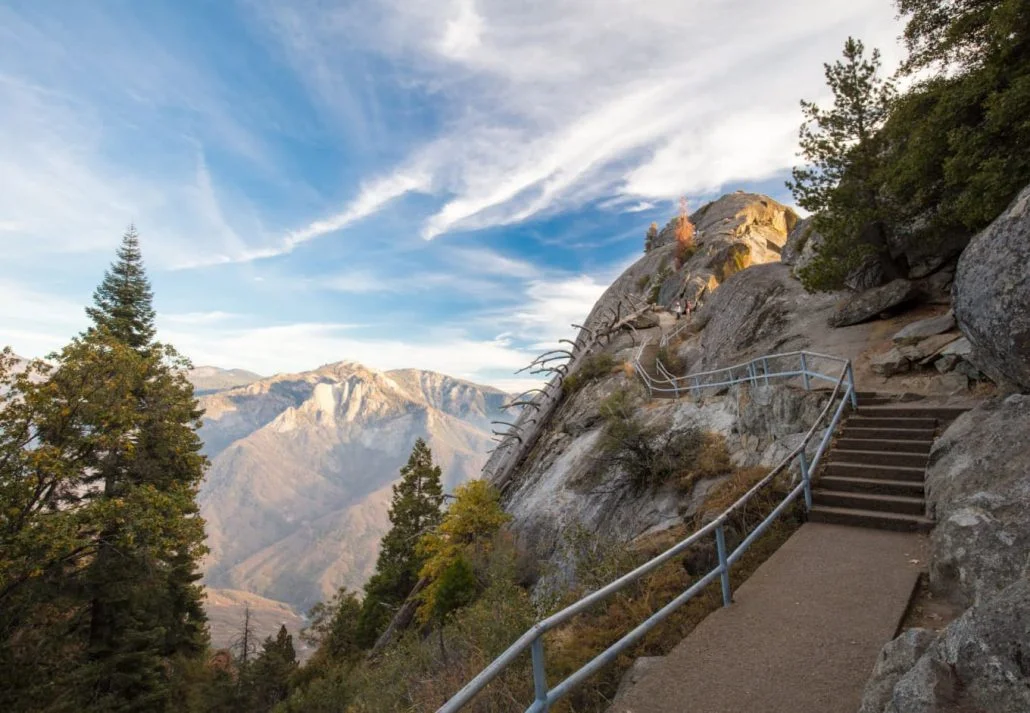
Moro Rock is a majestic granite dome located in the heart of Sequoia National Park. Hike up to the summit of the rock to enjoy breathtaking panoramic views of the park and its stunning landscapes.
The short but steep trail rewards you with sweeping vistas of the Sierra Nevada Mountains, the foothills and San Joaquin Valley, and the surrounding wilderness.
Crystal Cave
Delve into the underground wonders of Crystal Cave, a magnificent marble cavern adorned with sparkling formations.
The only way to visit the cave and witness its stunning geological features is on a guided tour.
You’ll learn about the park's subterranean world, and catch a glimpse of the stunning stalactites, stalagmites, and other geologic features that decorate the cave.
Crystal Cave is accessed through a half-mile loop trail. There’s also a steep half-mile walk to and from the cave parking area to the entrance.
Congress Trail
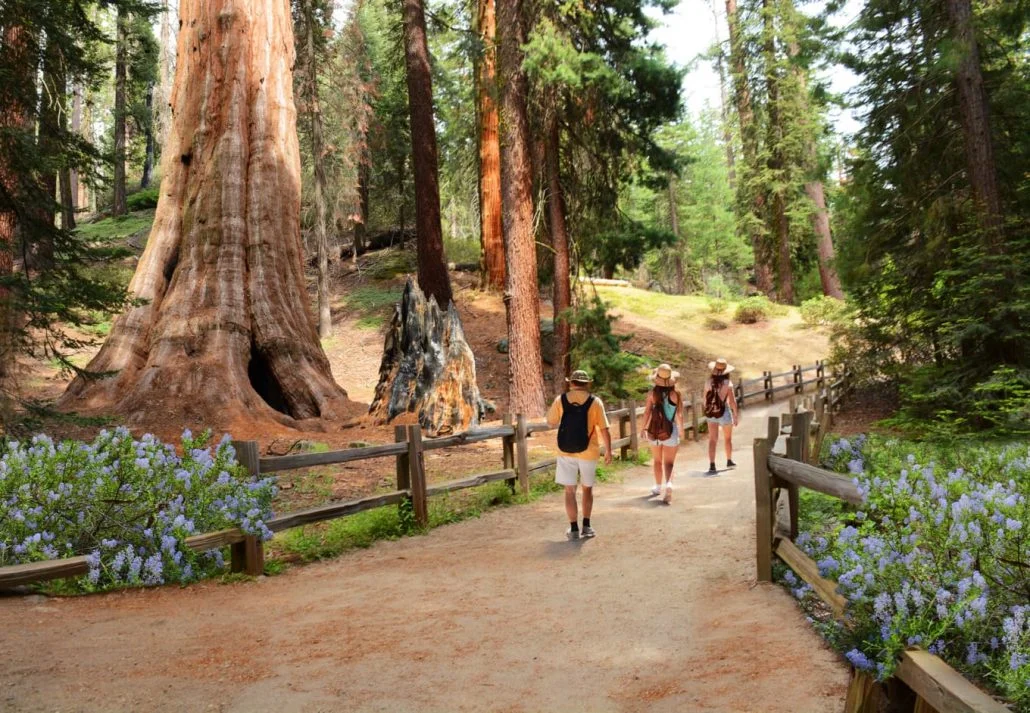
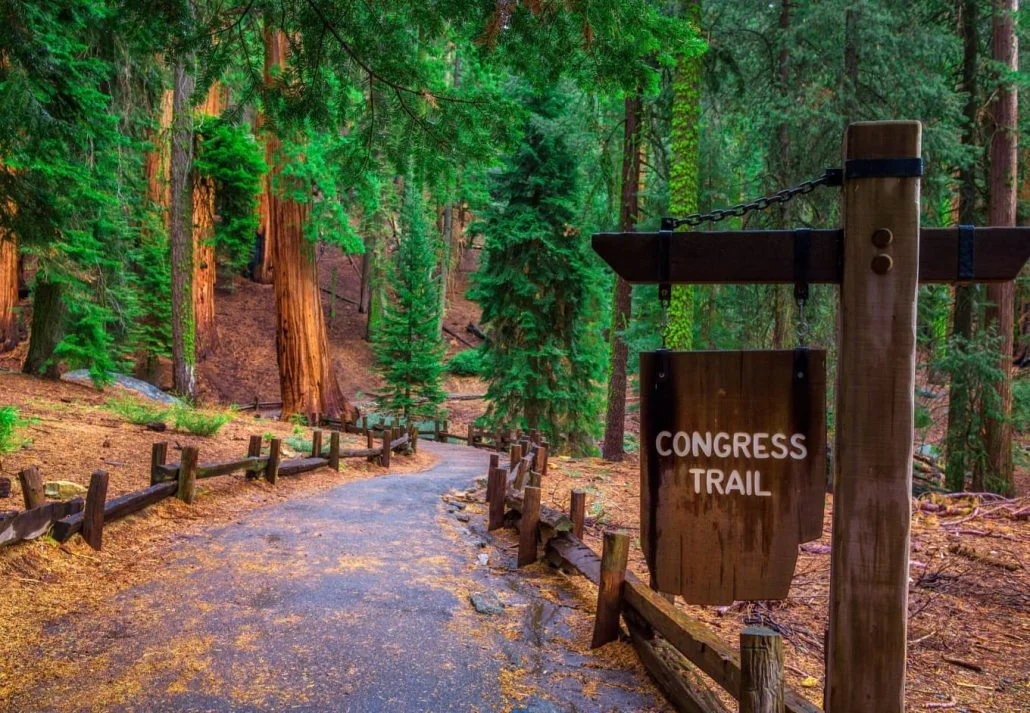
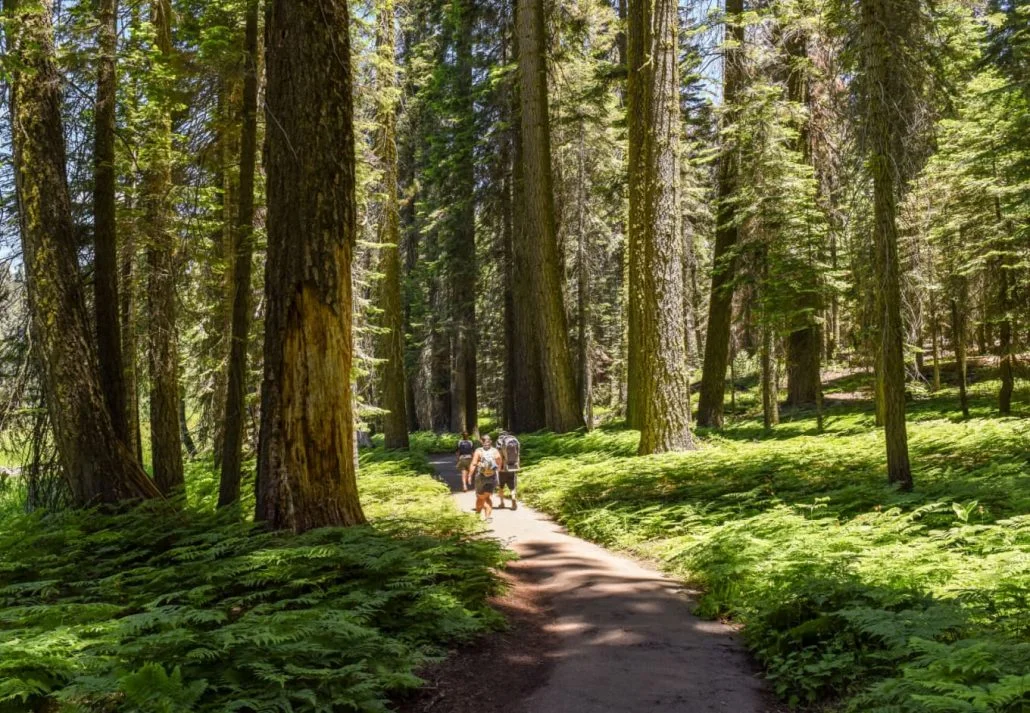
The Congress Trail is one of Sequoia’s most popular hikes. This enchanting route starts at the General Sherman Tree and winds its way through the majestic sequoias of the Giant Forest.
While hiking this dreamy trail, adventure seekers will get the chance to see iconic landmarks. These include the Fallen Monarch, a massive fallen sequoia that has become a natural sculpture, and the awe-inspiring President Tree, whose sheer size and grandeur leave visitors in awe.
Mount Whitney
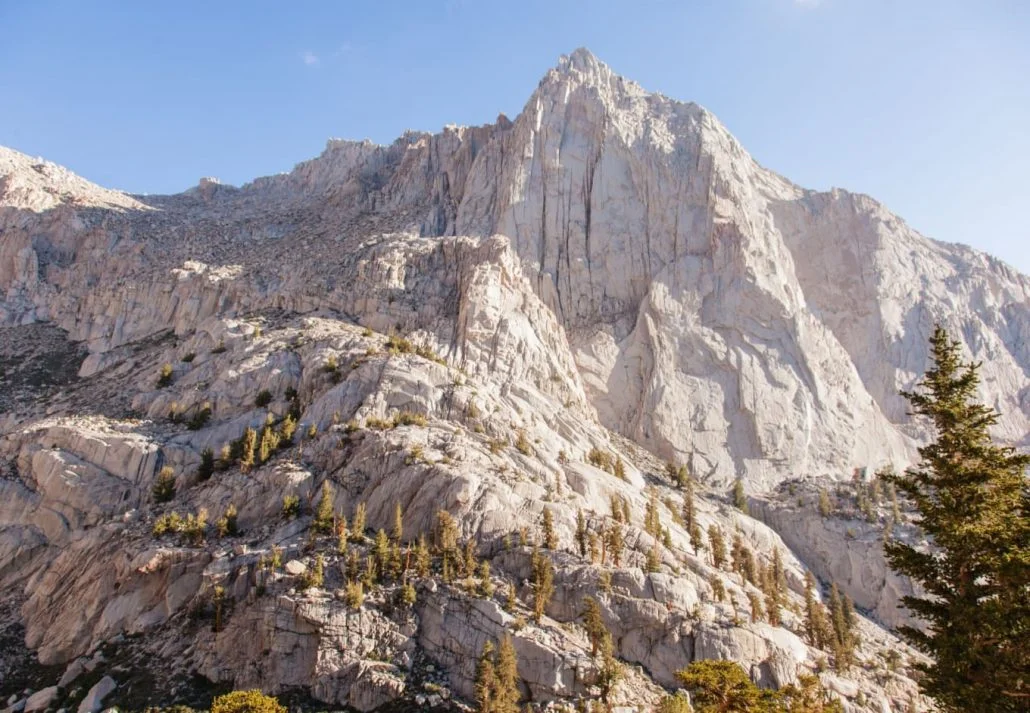
Mt. Whitney is the highest mountain in the contiguous United States with an elevation of 14,505 feet above sea level.
The summit of this commanding mountain can be reached through the famous Mount Whitney Trail, which is 22 miles round trip and gains an elevation of over 6,100 feet.
Most hikers take between 2 and 4 days to complete the trip, although it can also be done as a strenuous day hike taking 10-20 hours.
This legendary trail challenges hikers with its steep switchbacks and rugged terrain, promising breathtaking views and an unparalleled sense of accomplishment.
As you embark on this epic journey, the trail leads you through diverse landscapes, from lush forests to alpine meadows.
The higher you go, the snow-capped peaks of the Sierra Nevada Mountains come into view, painting a scene of pure grandeur.
Crescent Meadow Loop
The Crescent Meadow Loop is a serene paved trail that transports visitors to a world of tranquil beauty.
This enchanting loop trail takes you through the idyllic Crescent Meadow, also known as "The Gem of the Sierra."
While wandering (or driving) along the path, you'll find yourself surrounded by towering sequoias and lush meadows, with deer gracefully grazing and birds singing melodiously in the branches above.
The hike through the Crescent Meadow Loop is easy (1.7 miles the round-trip), and allows you to soak in all the beauty around you.
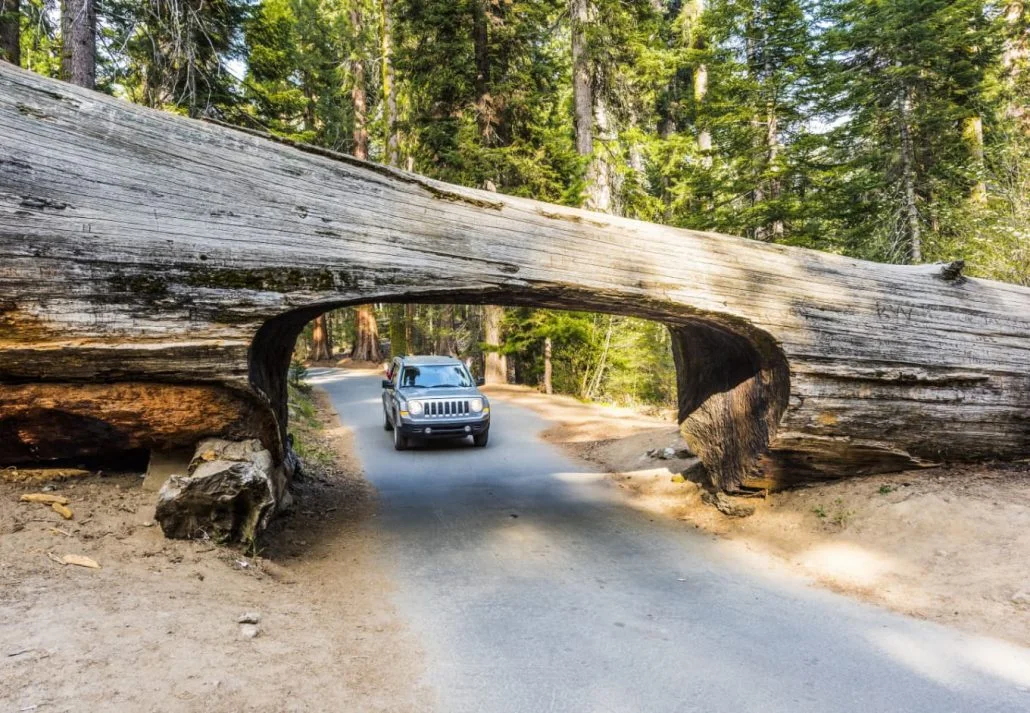
Tunnel Log
The Tunnel Log of the Sequoia National Park is a massive sequoia tree that fell across Crescent Meadow Road in late 1937.
The following summer, the tree was hollowed out to create a unique passage for vehicles.
Visitors can now drive through this picturesque-looking sequoia, which also serves as a delightful photo opportunity!
Tokopah Falls Trail
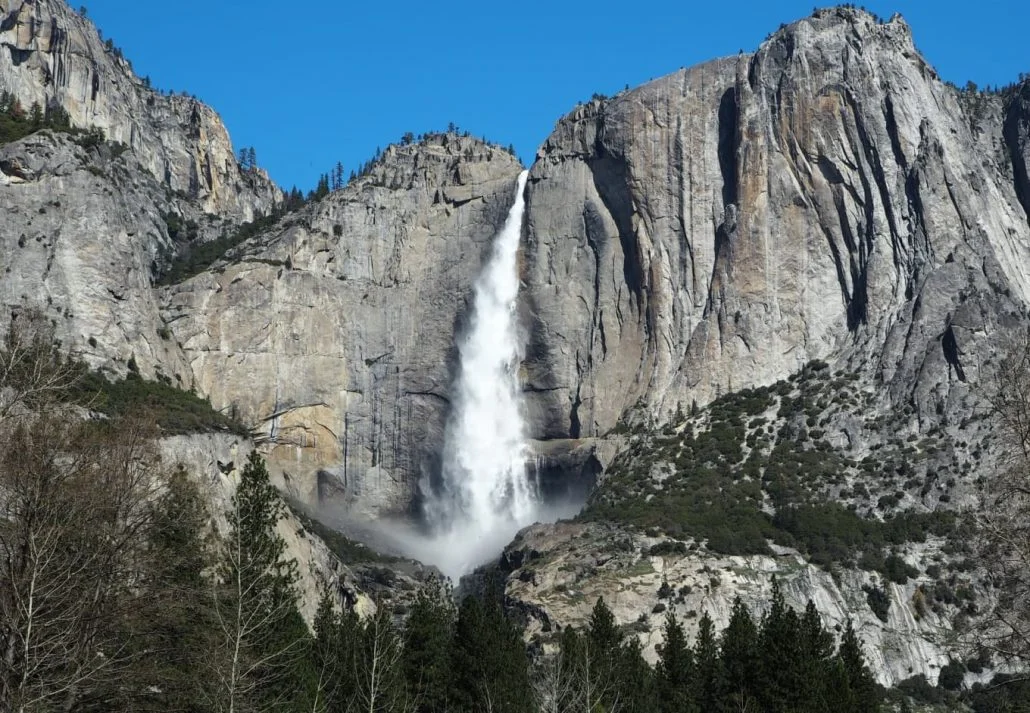
This 1.7-mile easy hike winds along the Marble Fork of the Kaweah River, leading hikers to the cascading waterfall of Tokopah Canyon.
Tokopah Falls is 1,200 feet high and is most impressive in early summer.
As you embark on this expedition, the trail immerses you in a world of natural splendor. Towering granite walls and verdant meadows accompany your every step, creating a picturesque backdrop that seems straight out of a postcard.
Where to Stay in The Sequoia National Park
Comfort Inn & Suites Sequoia/Kings Canyon
Photo Credit: Comfort Inn & Suites Sequoia Kings Canyon
Nestled in the charming town of Three Rivers, California, the Comfort Inn & Suites Sequoia Kings Canyon Hotel has 103 comfortable and spacious rooms equipped with modern conveniences such as complimentary Wi-Fi, and flat-screen TVs.
Guests can indulge in a complimentary hot breakfast each morning, fueling up for a day of adventure.
The outdoor pool and hot tub offer a refreshing respite after a day of exploration, while the fitness center caters to those looking to stay active and warm up before a hiking adventure.
Comfort Inn & Suites also offers guests a shuttle bus to the Sequoia National Park.
Distance To Sequoia National Park: 8 Miles From Sequoia National Park Entrance (11-minute drive)
Visalia Marriott at the Convention Center
Photo Credit: Visalia Marriott at the Convention Center
The hotel boasts a range of top amenities and services, including spacious and well-appointed rooms with plush bedding, flat-screen TVs, and ergonomic workstations.
Guests can indulge in delectable dining options at the on-site restaurant, unwind with a cocktail at the lounge, or take advantage of the 24-hour fitness center.
Distance To Sequoia National Park: 34 miles (42-minute drive)
La Quinta Inn & Suites by Wyndham Visalia
Photo Credit: La Quinta Inn & Suites by Wyndham Visalia
Located in Visalia, California, the La Quinta Inn & Suites by Wyndham Visalia offers a comfortable and affordable stay for visitors exploring the wonders of Sequoia National Park.
Situated conveniently off Highway 198, the hotel features a range of top amenities and services, including spacious and well-appointed rooms with modern comforts like flat-screen TVs, free Wi-Fi, a coffee maker, a desk, and ironing amenities.
A hearty breakfast featuring waffles, bagels, fresh fruit, and more is the perfect way to fuel up before exploring the Sequoia National Park.
Amenities & Services: Free wi-fi, indoor pool, fitness center, pet-friendly rooms
Distance To Sequoia National Park: 35 miles (40-minute drive)
Find your kind of stay
Compare millions of stays — hotels, apartments, villas, and more