Why June Is Japan's Secret Sweet Spot: Fewer Tourists, Lower Prices
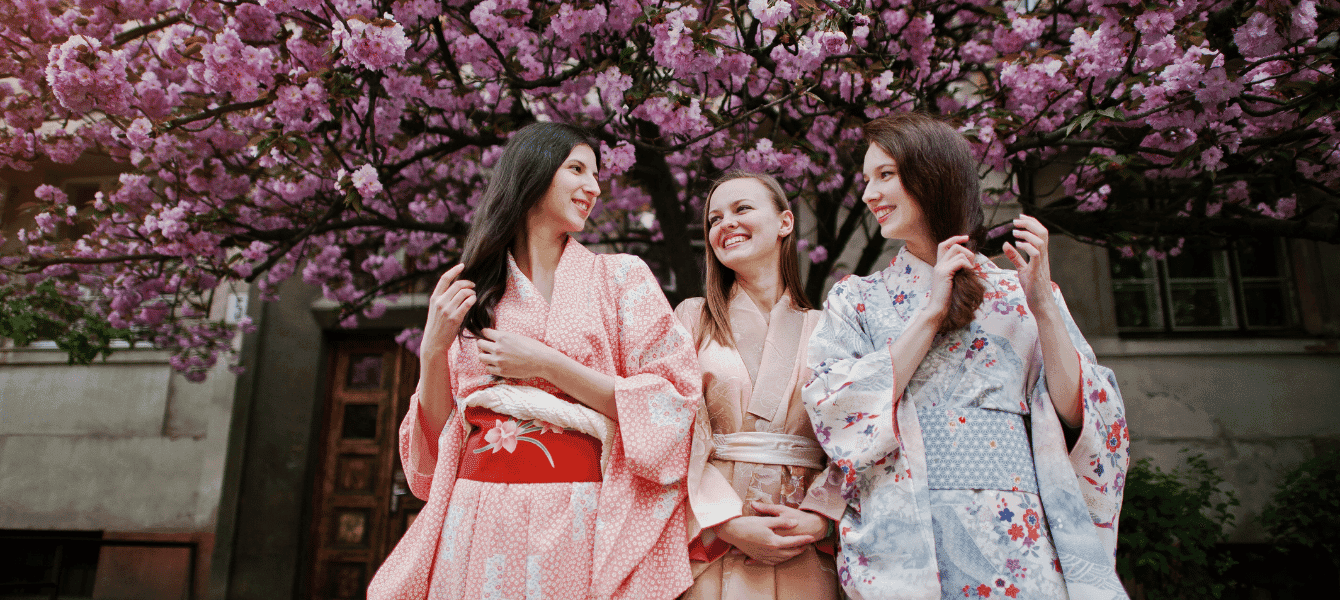
Everyone knows about cherry blossom season in Japan. Everyone books it months in advance, pays through the nose for a hotel room that would cost half the price in any other month, and spends half their trip nudging past other tourists for a clear photograph of a temple. It is beautiful, no one is arguing that, but it is also exhausting, expensive, and increasingly hard to enjoy at anything close to a relaxed pace.
Here is what the savvier travellers have figured out: June is better. Not in spite of the rainy season, but partly because of it. Fewer crowds, lower prices, lush green landscapes, hydrangeas in full bloom, and a version of Japan that actually has breathing room in it. This is Japan's secret sweet spot, and it is one of the cheapest months to visit the country by a considerable margin.
If you have been on the fence about when to go, this is the nudge. Lock in your dates, head to CuddlyNest to sort the accommodation while prices are still sensible, and read on for everything you need to know about why June is genuinely the move.
First, Let's Address the Rain
Yes, June is Japan's rainy season, Tsuyu, as the Japanese call it. And yes, that sounds like a reason not to go. But here is the reality check that every repeat visitor to Japan will give you: it does not rain all day, every day. Showers are typically brief, often in the morning or evening, and the rest of the day is perfectly workable.
What the rain actually does is make Japan look extraordinary:
Moss-covered temple paths glisten after a shower in a way that no dry-season photograph ever captures
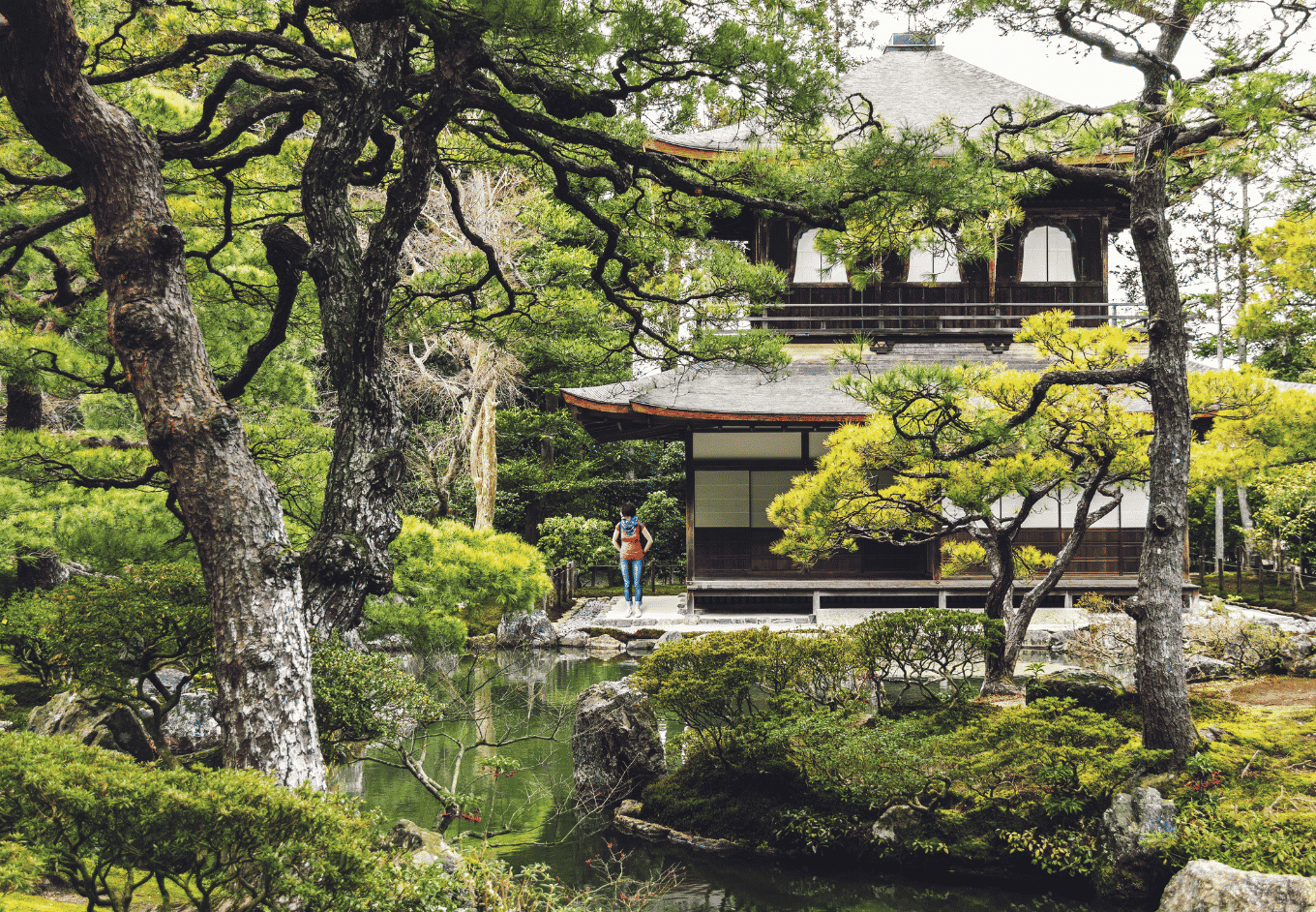
Traditional gardens like Kyoto's Ryoan-ji and Tokyo's Koishikawa Korakuen transform into living paintings in the rain
Rice paddies across the countryside turn a shade of green that belongs in a Studio Ghibli film
The air is cleaner and the light is softer, genuinely one of the best times for photography
Pack a compact umbrella, build a little flexibility into your itinerary, and the rain stops being a problem. It becomes part of the experience.
The Real Reason to Go in June: What You Actually Get
Let us talk about what June specifically puts on the table for travellers.
1. Hydrangeas — Japan's Underrated Season
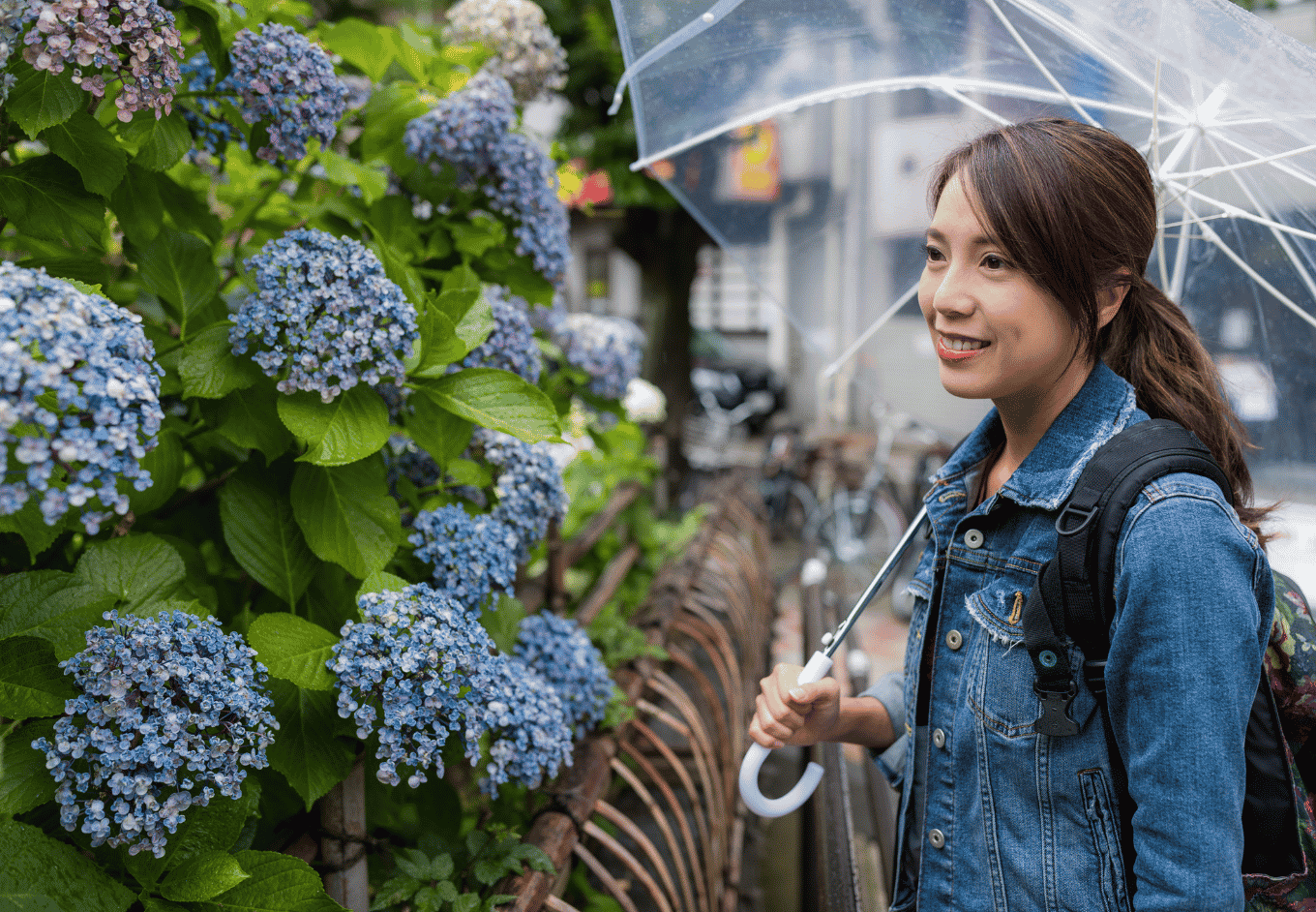
Cherry blossoms get all the attention. Hydrangeas do not, which is exactly why they are better for actually enjoying. June is peak hydrangea season across Japan, and the displays are genuinely spectacular.
Meigetsu-in Temple in Kamakura — nicknamed the Hydrangea Temple — lines its stone paths with thousands of blossoms and draws a fraction of the cherry blossom crowds
Hakusan Shrine in Tokyo hosts the Bunkyo Hydrangea Festival with over 3,000 plants across the grounds
Mimuroto-ji Temple in Kyoto turns the surrounding hillside into a wash of purple, blue, and white
The Meiji Shrine Inner Garden in Tokyo features a classic iris garden peaking mid-June, a completely different but equally beautiful display.
2. Festivals Without the Chaos
June has a solid festival calendar that most tourists miss entirely because they are not paying attention. The Sanno Matsuri in Tokyo, one of the city's three great festivals, brings grand floats and performers from Hie Shrine through the streets in mid-June in alternate years. Hokkaido's Yosakoi Soran Festival in early June fills Sapporo with vibrant dance performances and a genuinely electric atmosphere. Early summer matsuri across the country are cultural events that pull local crowds without the international tourism pile-on that July and August bring.
3. Hokkaido: The Rainy Season Escape
Here is a detail that changes everything for some travellers: Hokkaido, Japan's northernmost island, largely escapes the rainy season entirely. While the rest of Japan is navigating Tsuyu, Sapporo is sitting at a pleasant 20°C with mostly clear skies. Flower fields in Furano and Biei are coming into bloom, the hiking trails are green and uncrowded, and the entire island feels like a cooler, calmer alternative to the main cities.
The Practical Bit: What June Actually Costs vs Peak Season
June consistently ranks as one of the cheapest months to visit Japan, and the gap with peak season is not small. Here is the honest comparison:
Cherry blossom season (March–April): Hotels in Tokyo and Kyoto regularly hit double their usual rates. Flights spike. Attractions require timed entry tickets booked weeks in advance.
Golden Week (late April–early May): Domestic travel goes completely haywire. Hotels fill up with Japanese holidaymakers, prices surge, and even popular ryokan are booked out months ahead.
June: Hotel availability is better, prices are more reasonable, flights are calmer, and popular photo spots that require an early morning scramble during peak season become accessible throughout the day.
June's lower tourist numbers also mean better deals on guided tours, easier restaurant reservations, and, perhaps most practically, actually getting a table at the restaurants you actually want to eat at rather than settling for whatever has availability.
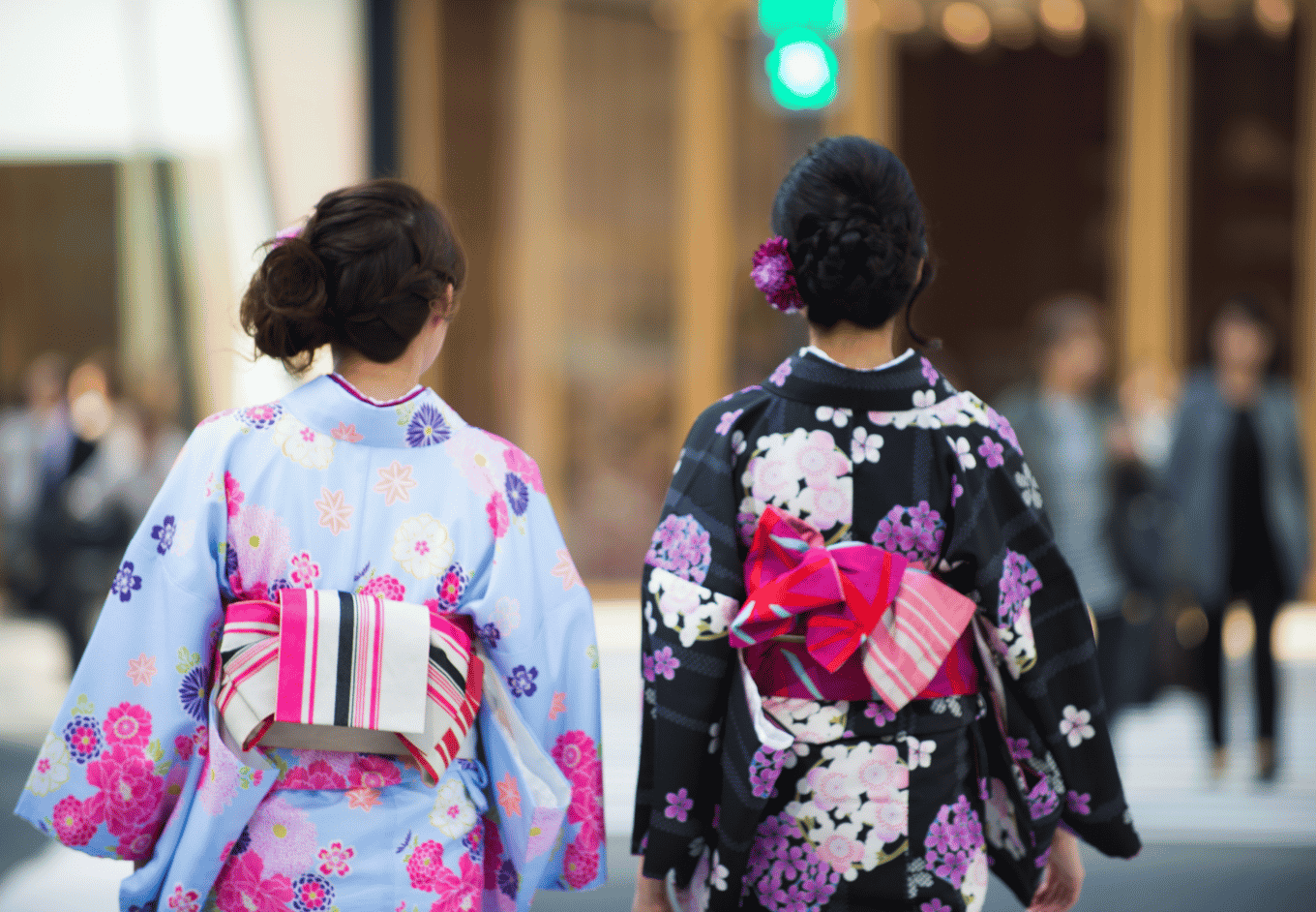
What to Pack for June in Japan
A quick practical note because this matters:
A compact, quality umbrella — not a cheap one that will invert in the first gust of wind
Light, breathable layers — temperatures range from around 18°C to 28°C in central Japan, warm but manageable
Waterproof shoes or at least water-resistant ones — temple paths and garden stone walks get slippery
A light waterproof layer for shoulders, useful on cooler evenings particularly in Hokkaido
Dry bags or waterproof pouches for your phone and camera
Where to Stay: June Picks Across Japan, Bookable on CuddlyNest
Getting the accommodation right in June is even more important because this is when you can actually afford the good options without the peak-season price shock. CuddlyNest covers properties across Tokyo, Kyoto, and Osaka with a solid range at every budget. Here are some well-positioned picks:
In Tokyo
Shinjuku Washington Hotel Main Centrally located in Shinjuku, Tokyo's most connected neighbourhood — with easy access to trains heading anywhere in the city. Practical, well-reviewed, and a solid base for a June trip that mixes city exploration with day trips to Kamakura or Nikko.
Tokyu Stay Yotsuya Shinjuku Area A smart, apartment-style option in the Shinjuku area with kitchenette facilities, useful for a longer June stay when you want the flexibility of not eating out every single meal. Clean, reliable, and well-connected.
Tokyu Stay Shibuya Shin-minamiguchi Right in Shibuya, walking distance from the famous crossing and well-positioned for the Meiji Shrine and Yoyogi Park — both worth visiting in June when the greenery is at its most vivid.
In Kyoto
Hotel Okura Kyoto A well-regarded Kyoto property positioned well for temple access across the city. In June, Kyoto's garden walks and hydrangea temples are at their most atmospheric, and having a reliable, comfortable base to return to after a rain-soaked afternoon among the moss-covered paths makes a real difference.
Tokyu Stay Kyoto Shin-Kyogoku-Dori Located in the central Shin-Kyogoku shopping street area, this one puts you within walking distance of Nishiki Market, Gion, and the main temple districts. A solid mid-range option that delivers location without the luxury price tag.
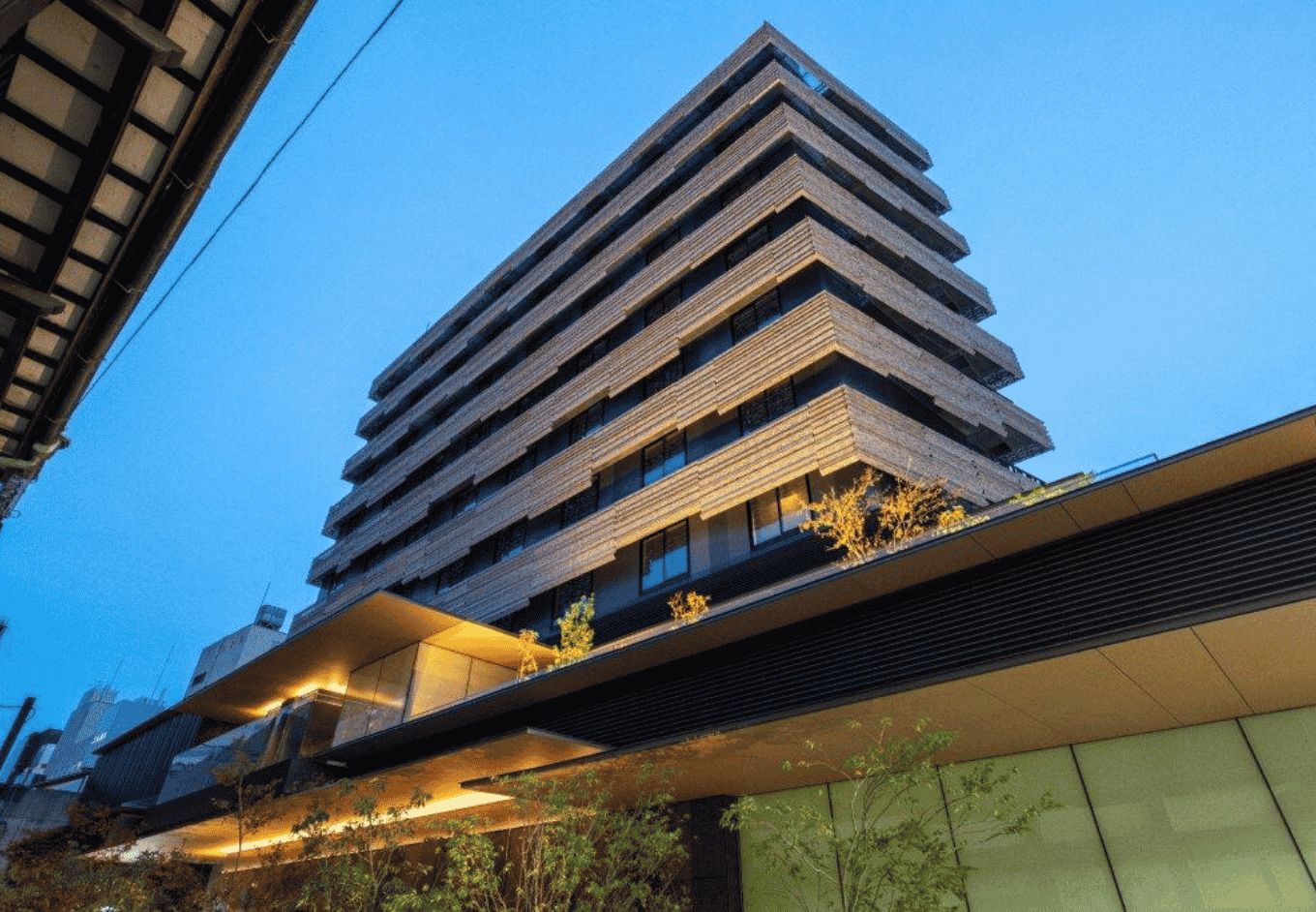
JAPANING Hotel Briller Kyoto A stylish, design-conscious Kyoto property that brings some personality to the mid-range space. Great for travellers who want something a step above the functional business hotel without the four-figure nightly rate.
In Osaka
Granbell Hotel Osaka A well-located Osaka property with a design-forward sensibility. Osaka in June is a brilliant base for day trips — Nara, Kyoto, and Kobe are all under an hour by train, and having a comfortable, stylish home base makes the logistics considerably easier.
voco Osaka Central an IHG Hotel An IHG property in a central Osaka location — well-reviewed, well-positioned, and exactly the kind of reliable, comfortable option that works well for a June trip built around exploring Dotonbori, Shinsekai, and the wider Kansai region.
The June Japan Itinerary Logic
Here is how to think about structuring a June trip to Japan:
Start in Tokyo — use it as your base for the first few days. Do the city, do Kamakura for the hydrangeas, do a day trip to Nikko where June rain swells Kegon Falls dramatically
Head to Kyoto — give it three to four days. The temple gardens are extraordinary in June rain. Fushimi Inari at dawn with morning mist is a completely different experience to the same spot in April sunshine surrounded by tour groups
Finish in Osaka — eat everything. Osaka's food scene is relentless and the city's energy in early summer is excellent
If time allows, add Hokkaido — flying up for two to three days gives you the rainy-season escape and a completely different side of Japan that most first-timers miss entirely
The Bottom Line
Japan in June is not the compromise option. It is the smart option. Lower prices, manageable crowds, extraordinary natural scenery, a festival calendar most tourists know nothing about, and a version of the country that moves at an actually enjoyable pace. The rainy season is not something to work around, it is part of what makes June genuinely special.
Sort your accommodation early on CuddlyNest — the range across Tokyo, Kyoto, and Osaka covers every budget, the map view helps you understand exactly where each property sits relative to the attractions you care about, and if you prefer to pay in crypto, CuddlyNest accepts USDT, USDC, BUSD, and DAI, making it one of the most flexible booking platforms available.
June is Japan without the noise. Book it before everyone else figures that out.
Frequently Asked Questions
Where is the best place to book flights and hotels together in 2026?
How does CuddlyNest help me find the cheapest flights?
Is Japan cheaper to visit in June compared to cherry blossom season?
Excited to visit Japan?
Book Your Tripeveryone.