Frequently asked questions about exploring the beautiful shinjuku gyoen national garden in tokyo
When is the best time to visit Shinjuku Gyoen National Garden?
<p>The garden is beautiful year-round, but spring (cherry blossom season) and autumn (for the colorful foliage and the chrysanthemum exhibition) are especially popular.</p>
How to get to Shinjuku Gyoen National Garden?
<p>Shinjuku Gate is a 5-minute walk from Shinjukugyoenmae Station on the Marunouchi Subway Line.</p>
Are there any tea houses or restaurants at Shinkjuku Gyoen National Garden?
<p>Yes, there are several tea houses and restaurants. Just outside, you'll find Curry Kusamakura, a local favorite known for its exceptional eggplant curry. For a unique twist, Hamburg Will offers gourmet hamburgers with a Japanese flair. And if you're craving ramen, Halal Ramen Ouka provides a delicious halal-certified choice.</p>
CuddlyNest Team
CuddlyNest is the world's largest vacation rental search engine, comparing millions of accommodations across 200+ booking sites. Our editorial team of seasoned travelers and local experts shares insider tips, destination guides, and travel inspiration to help you plan the perfect trip — whether you're booking a cozy cabin, a beachfront villa, or an apartment in the heart of the city.
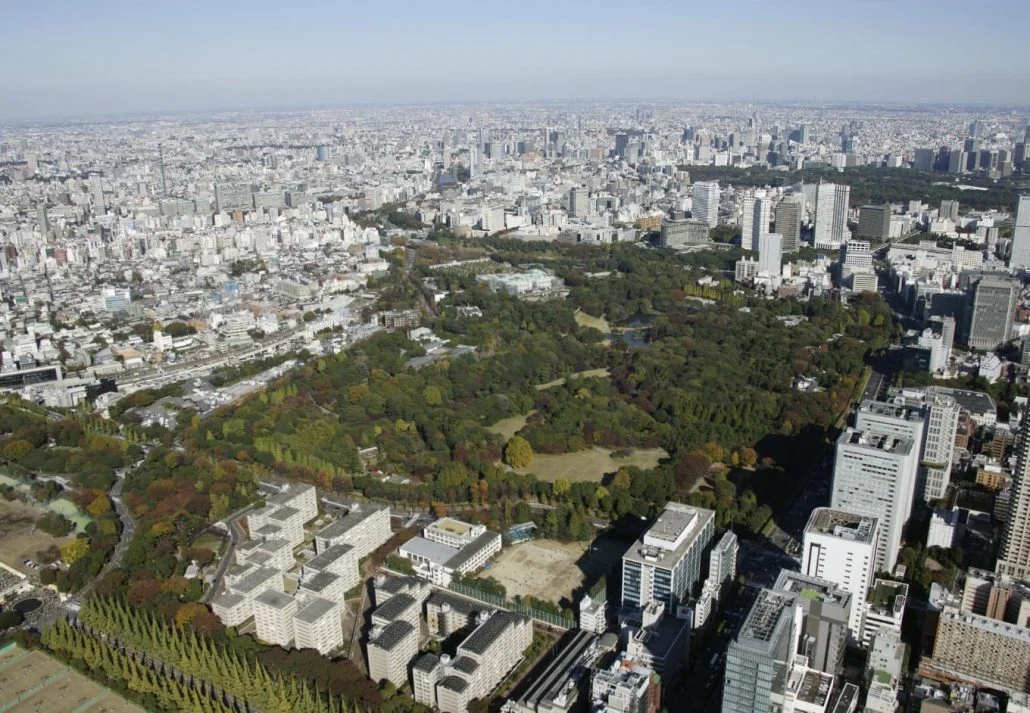
Hidden amidst Shinjuku’s towering skyscrapers and bustling alleys lies a tranquil oasis: Shinjuku Gyoen National Garden. This historic park, dating back to the Edo period, has been a beloved retreat for generations of Tokyoites. Just a short walk from Shinjuku Station, the garden is a melting pot of traditional Japanese, English, and French styles, offering something for every visitor.
With its spacious lawns, winding paths, and picturesque ponds, Shinjuku Gyoen is the perfect place to relax, picnic, or simply enjoy a moment of peace in the heart of the city. Let's explore the attraction in-depth.
11 Naitomachi, Shinjuku City, Tokyo 160-0014. Find on map
🎟️ Admission
500 yen
⏰ Opening Hours
✦ 9 AM-6 PM (Mar 15-Jun 30 | Aug 21-Sept 30) ✦ 9 AM-7 PM (Jul 1 to Aug 20) ✦ 9 AM-4:30 PM (Oct 1 to Mar 14) ✦ Closed on Mondays (Dec 29 to Jan 3)
🚗 Getting There
Shinjuku Gate is a 5-minute walk from Shinjukugyoenmae Station on the Marunouchi Subway Line
The History of Shinjuku Gyoen National Garden
Bestowed upon feudal lord Naito by the shogun in 1772, the land was developed into a garden. However, its character has undergone substantial alterations. Following the Meiji Restoration, it transitioned from an experimental agricultural hub to a botanical garden, ultimately becoming an imperial garden dedicated to entertaining visitors to the city. Unfortunately, it was severely damaged during the World War II air raids but was meticulously restored, later opening to the public as a national park in 1949.
A Detailed Walkthrough of Shinjuku Gyoen National Garden
The three distinct styles of gardens
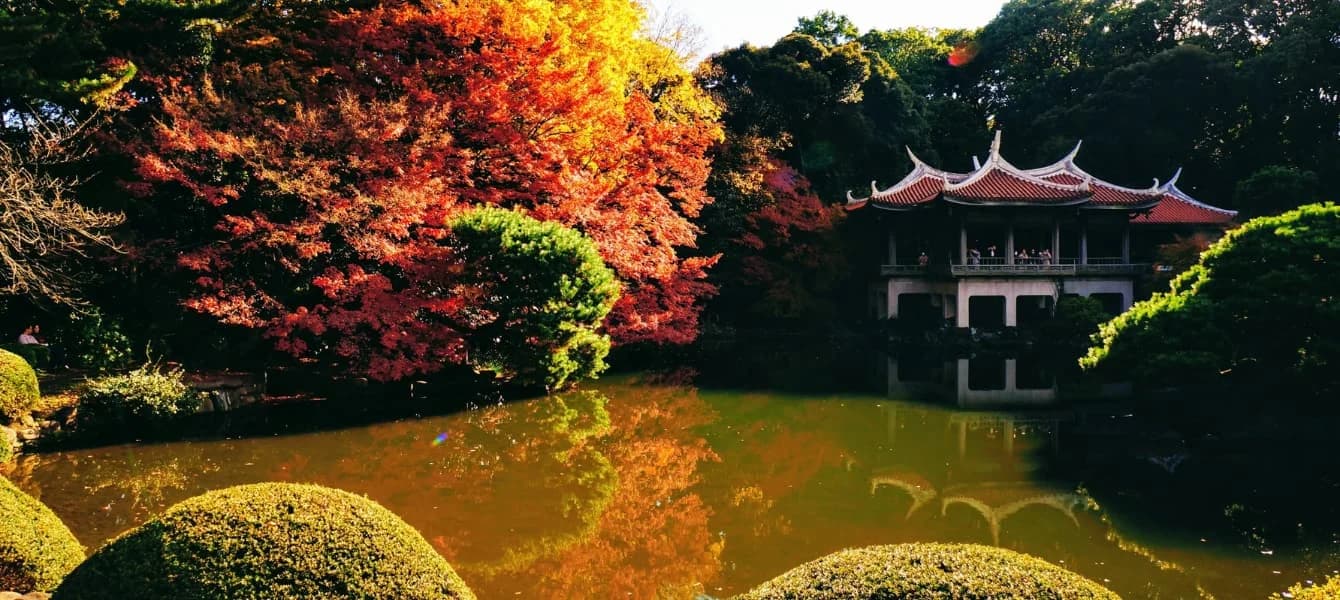
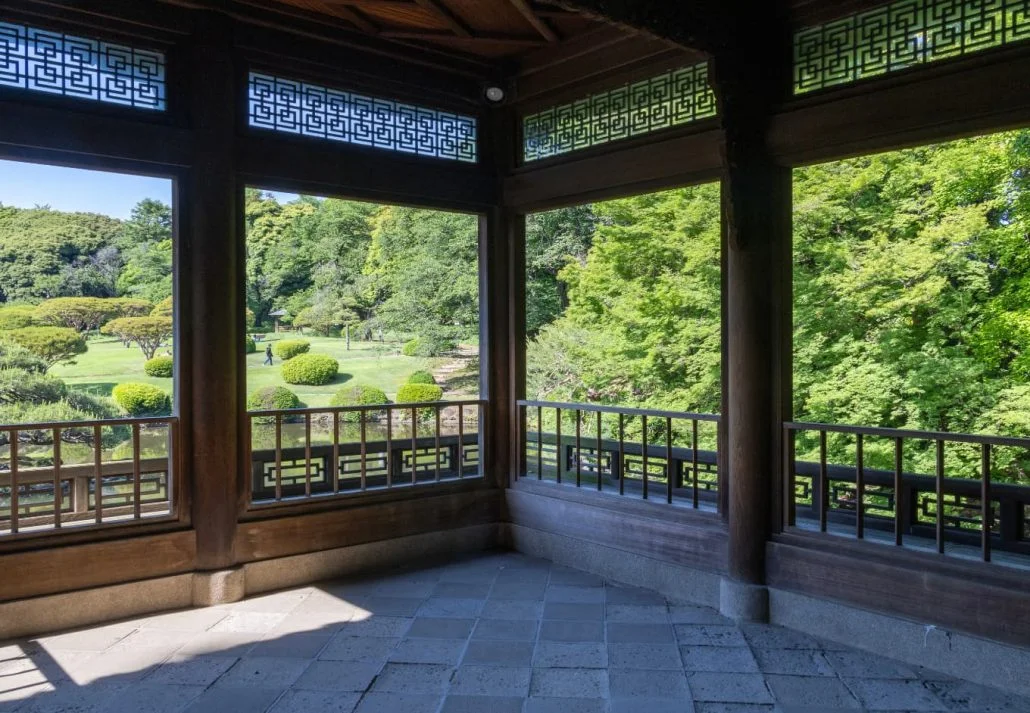
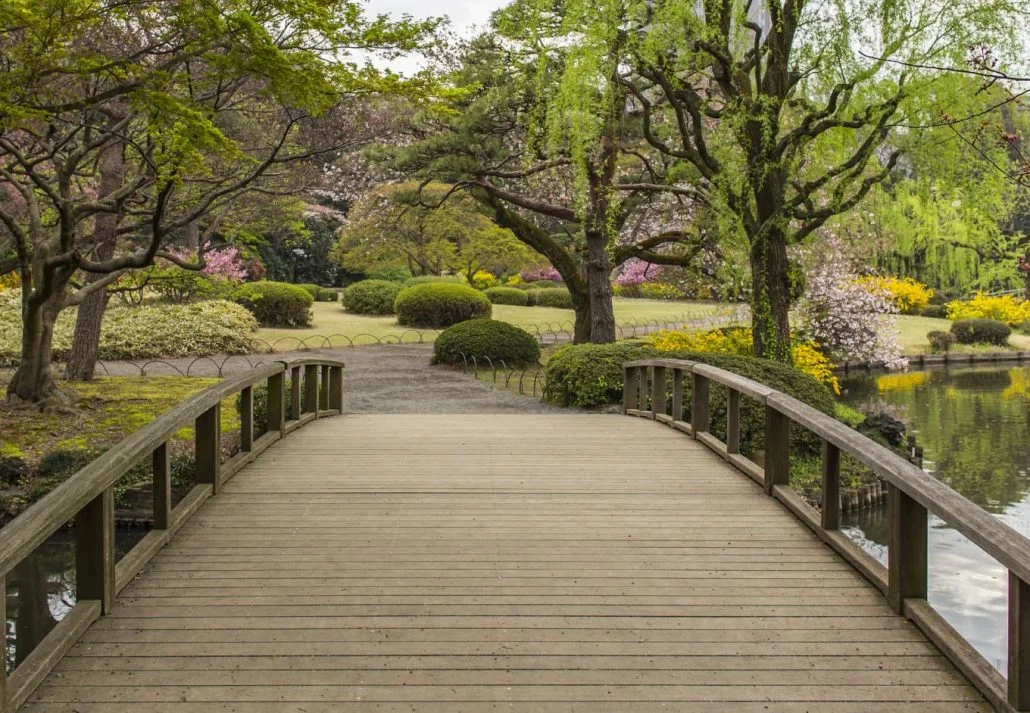
Japanese Garden: The oldest of the gardens, the Japanese traditional garden features large ponds, small islands linked by bridges, and winding paths perfect for leisurely strolls. Dotted with charming teahouses, the garden provides ample opportunities for relaxation. The Taiwan Pavilion, a wedding gift from the Taiwanese community to the Showa Emperor, adds a surprising touch to the Japanese aesthetic.
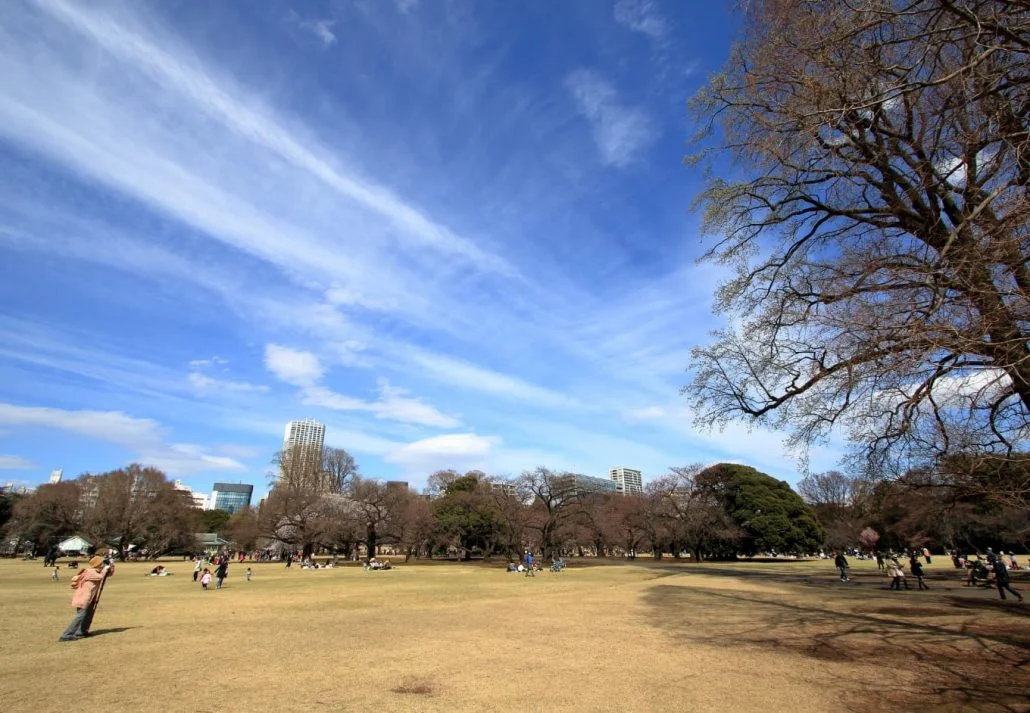
English Landscape Garden: The English Garden is heralded by a sprawling lawn, a beloved gathering spot, especially during springtime viewing of cherry blossoms. Perfect for basking in the Japanese sun, this oasis also houses a Western-style building, a survivor of the Second World War alongside its Chinese counterpart.
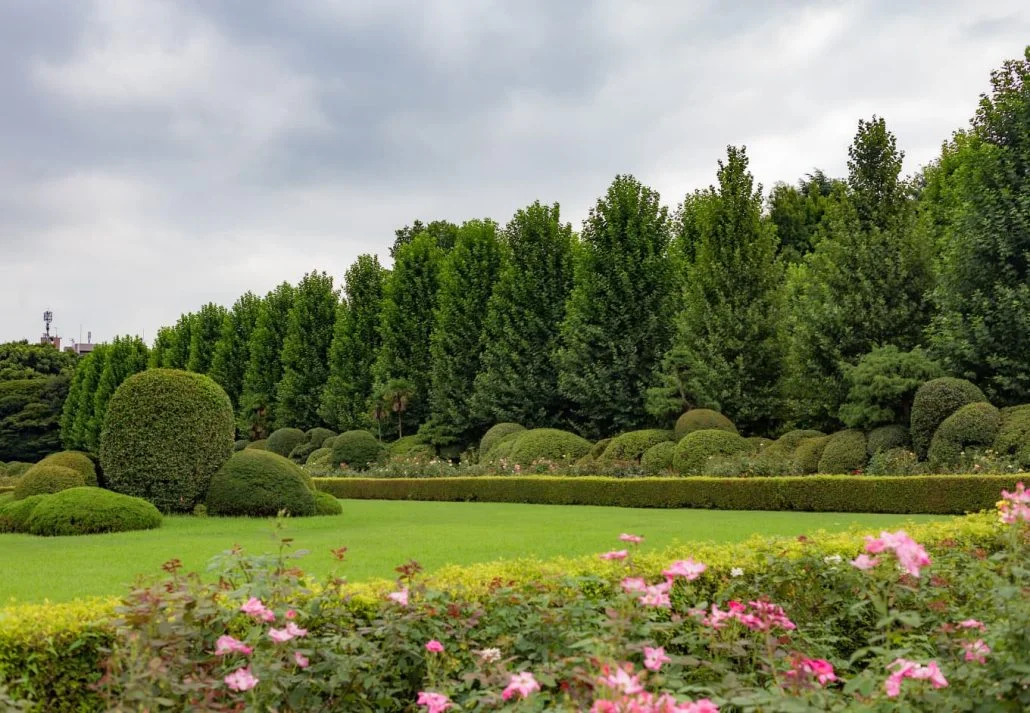
French Formal Garden: The park's western side is home to the exquisite French Garden. This elegant retreat boasts a perfectly symmetrical layout and over 100 varieties of flowers that change with each season. May is a particularly enchanting time when more than 500 rose bushes burst into bloom. This secluded oasis offers a unique escape, transporting visitors to a different world.
The three gates
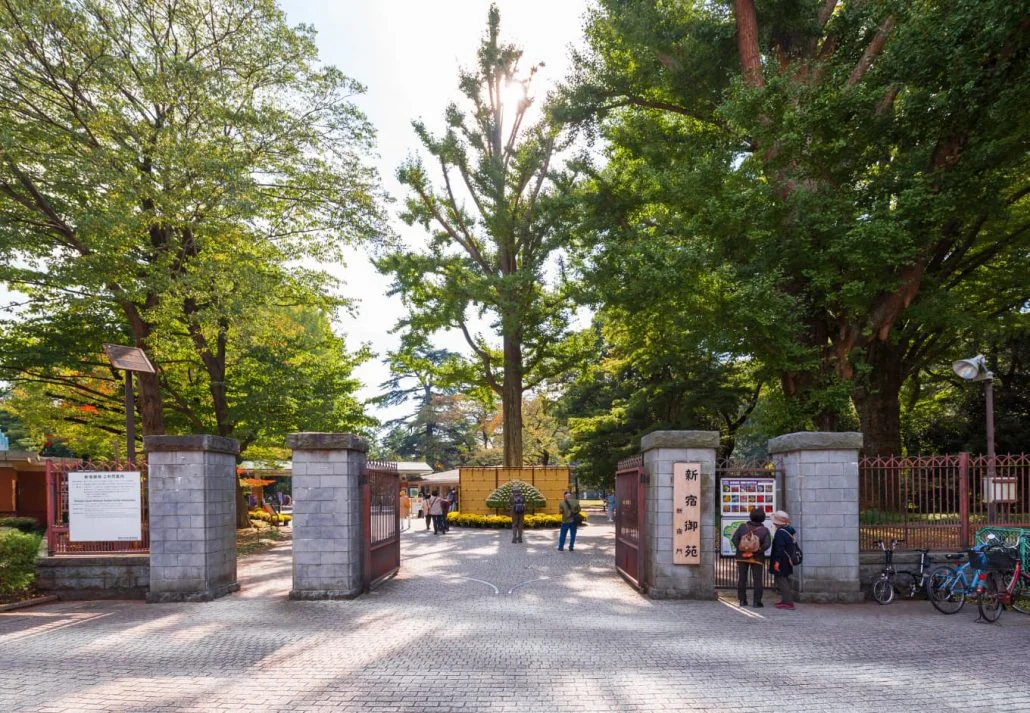
The garden has three entrances that are strategically placed for convenient access. The main entrance, Shinjuku Gate, is a 10-minute walk from Shinjuku Station or a 5-minute walk from Shinjuku Gyoen-mae Station. It leads visitors toward the Japanese Garden's upper section. The Okido Gate, a 5-minute walk from Shinjuku Gyoen-mae Station, provides entry near the greenhouse and Tamamo Pond. Finally, Sendagaya Gate, a 5-minute walk from Sendagaya Station, offers access to the cherry tree area and Maple Hill, situated between the Japanese and French Gardens.
Other areas of interest
Beyond the garden's three main attractions, you'll discover a variety of smaller, hidden gems. One standout is the Mother and Child's Forest near the Shinjuku entrance, offering shaded pathways for strolls. While Maple Hill paints a stunning autumnal picture, the area dedicated to flowering cherry trees offers memorable views during the cherry blossom season.
The Tamamo Pond, a serene algae pond, provides a tranquil escape compared to the garden's busier spots. For a tropical retreat, visit the greenhouse near Okido Gate, a delightful and warm escape during colder months.
Hotels Near Shinjuku Gyoen National Garden
Apartment Hotel Shinjuku: Home away from home in the heart of Shinjuku. Enjoy a self-contained apartment with hotel amenities and experience the local life with a kitchenette in your room.
Hostel Pumpkey Tokyo: Budget-friendly and social. Pumpkey Hostel offers dormitory and private rooms perfect for solo travelers or groups seeking a lively atmosphere.
Shinjuku Kuyakusho-mae Capsule Hotel: Use this as a chance to immerse yourself in the unique capsule hotel experience. Enjoy a private pod, a luxurious bath, and a relaxing lounge area.
Shinjuku Gyoen Practical Guide: Entry, Hours, and Getting There
Entry costs ¥500 per adult (roughly $3 USD). High school and university students pay ¥250. Children under 15 are free. No advance booking required. Pay at the gate with cash or IC card (Suica, Pasmo). Paying by IC card lets you skip the ticket queue entirely. This matters during cherry blossom season, when lines can stretch 20-30 minutes.
Cherry blossom season exception. From late March to early April, timed reservation tickets are required between 9:30am and 4pm. You can enter without a reservation before 9:30am or after 4pm. Arriving at opening (9am) is the best approach during peak bloom: the morning light is better, crowds are thinner, and you avoid the reservation requirement entirely.
Hours and closures. Open 9am to 4:30pm, last entry at 4pm. Closed on Mondays unless Monday falls on a public holiday, in which case closed Tuesday. The garden stays open daily during cherry blossom season (late March to April) and the chrysanthemum exhibition (November). Check env.go.jp before visiting. Unannounced closures happen occasionally for maintenance.
Three gates, three approaches. The Shinjuku Gate is the main entrance, 5 minutes from Shinjuku-Gyoenmae Station (Marunouchi Line). The Sendagaya Gate is on the opposite side, 5 minutes from Sendagaya Station (Chuo Line). The Okido Gate is a third option near Shinjuku Station's south exit, about a 10-minute walk. The Sendagaya Gate has shorter queues on busy days because fewer people know about it.
No alcohol allowed. Alcohol is banned throughout the garden. This sets Shinjuku Gyoen apart from Yoyogi Park and Ueno Park, where hanami (blossom-viewing picnics) with beer are common. At Shinjuku Gyoen, hanami is quiet and alcohol-free. Bring water, tea, or soft drinks. Food and non-alcoholic drinks are allowed. Shinjuku hotels on CuddlyNest from ¥7,800/night.
Shinjuku Gyoen by Season: When to Visit
The garden runs seasonal highlights across all four seasons. Spring cherry blossoms get the most coverage, but the other seasons have real appeal with far smaller crowds.
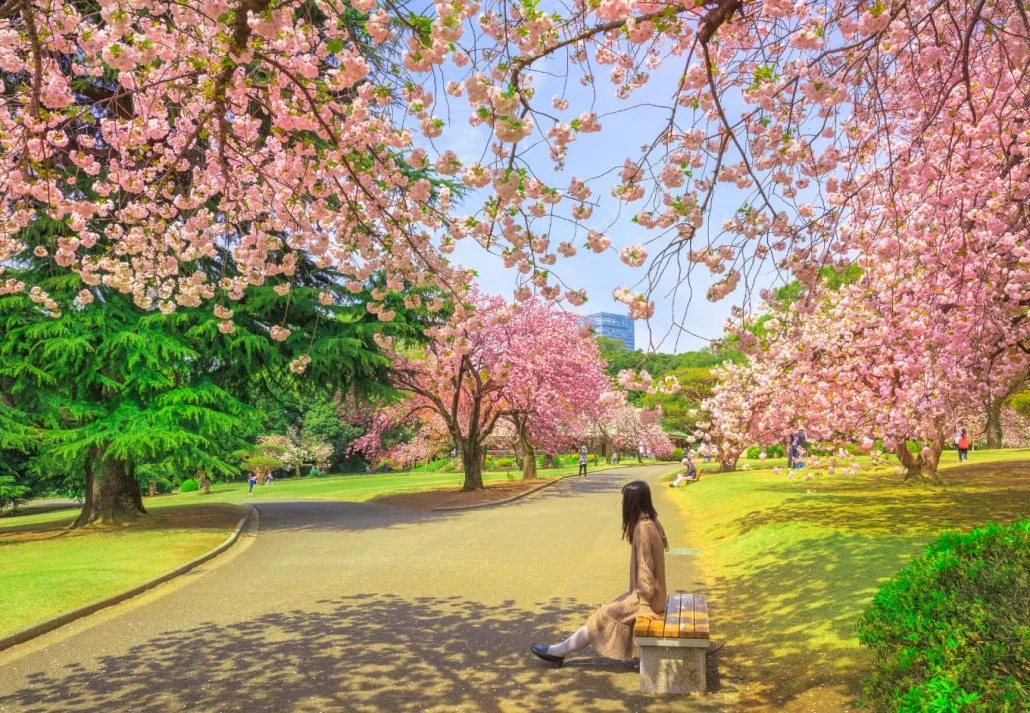
Late March to mid-April (cherry blossoms). Shinjuku Gyoen has 1,000 or more cherry trees spanning 14 varieties. Because species differ in bloom timing, the flowering window is longer here than at most Tokyo parks: early varieties like Kanzakura open in February, Somei Yoshino peaks in late March, and weeping cherry trees (Shidare-zakura) follow a few days later. Go on a weekday, enter via Sendagaya Gate, and walk past the main lawn toward the Japanese garden section to find fewer people. The south end of the garden near the pond is calmer than the central lawn during peak bloom.
May through August (summer). The garden is green and largely uncrowded. The large French formal garden section, with its wide symmetrical lawns, is open and pleasant in the morning before heat builds. The greenhouse stays open year-round and houses tropical plants from Southeast Asia and other warm regions. Summer is the least-visited season. Good for a quiet visit without competing for space on the lawn.
Late October to early December (autumn foliage). Ginkgo, maple, and oak trees change color across the garden. The English-style garden section has the best concentration of autumn color. Peak change typically falls in early to mid-November, around the same time as the chrysanthemum exhibition. Autumn crowds are lighter than spring but heavier than summer.
November (chrysanthemum exhibition). Thousands of chrysanthemums are displayed in formal beds near the main entrance gate. Japan has cultivated chrysanthemums for over 1,000 years. The exhibition includes bonsai-style trained chrysanthemum columns, formal Japanese flower-arrangement displays, and open beds of hundreds of varieties. Entry to the exhibition is included in standard garden admission. Tokyo hotels on CuddlyNest from ¥7,000/night.
Frequently Asked Questions About Shinjuku Gyoen National Garden
Is Shinjuku Gyoen worth visiting?
Yes, for most visitors to Tokyo. At 144 acres, the garden is large enough to feel genuinely spacious inside a city of 14 million people. Three distinct garden styles, Japanese traditional, French formal, and English-style, are combined in one site. The garden is 5 minutes from Shinjuku Station, the world's busiest rail hub. Entry costs ¥500. During cherry blossom and autumn foliage seasons, it ranks as the best garden in central Tokyo for sustained beauty across multiple days of bloom. Outside season, it is a reliable, calm stop between Shinjuku's commercial density and wherever you are going next.
Does Shinjuku Gyoen charge an entrance fee?
Yes. Entry is ¥500 per adult (around $3 USD), ¥250 for students, and free for children under 15. Annual passes cost ¥2,000. The garden is managed by Japan's Ministry of the Environment. There is no free admission period. Pay at the gate by cash or IC card (Suica or Pasmo accepted). The nearby Yoyogi Park is free and allows alcohol and loud picnics. Shinjuku Gyoen charges ¥500 and bans alcohol, which is why the crowd and atmosphere are notably calmer.
Shinjuku Gyoen or Yoyogi Park: which should you choose?
Depends on what you want. Yoyogi Park is free, allows alcohol, and hosts spontaneous gatherings, street performances, and weekend events. It suits people who want a social, lively park experience. Shinjuku Gyoen costs ¥500 and bans alcohol. It suits people who want formal garden design, quiet walks, photography, or a genuine escape from the city. For cherry blossoms specifically, Shinjuku Gyoen is the better choice: it has more tree varieties, a longer bloom period, and a calmer picnic atmosphere. For a casual hangout with drinks and music, Yoyogi wins. Both can be visited on the same day. They are about 25 minutes apart on foot or 15 minutes by metro. Japan hotels on CuddlyNest from ¥6,500/night.
Find your kind of stay
Compare millions of stays — hotels, apartments, villas, and more