How to Stay Healthy During Hajj 2026
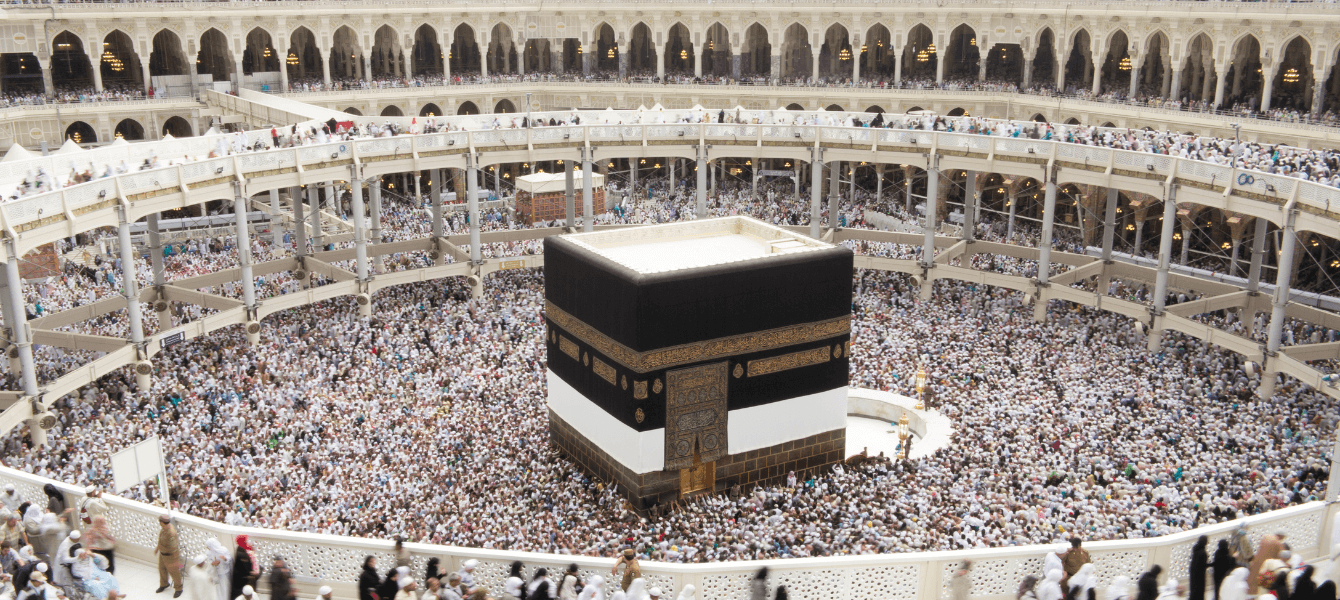
Let us be completely upfront about something. Hajj 2026, falling between approximately 25 and 29 May 2026, with the Day of Arafat on 26 May, is happening during one of the most heat-critical pilgrimage seasons in recent history. The Saudi National Centre for Meteorology has confirmed temperatures reaching 42 to 48°C across Makkah, Mina, and Arafat. Mount Arafat has no natural shade. And 2024 was a stark, painful reminder of what happens when pilgrims are underprepared, over 1,300 deaths, the majority from heat-related illness, most of them unregistered pilgrims without access to cooling facilities or medical care.
This is not said to frighten. It is said because preparation is part of the worship. The pilgrims who complete Hajj well are almost always the ones who prepared their bodies as seriously as they prepared their intentions.
This guide covers everything, heat, crowds, fatigue, illness, and the practical things that actually make a difference. Read it, share it with your group, and use it throughout the journey. And sort your accommodation on CuddlyNest early, because in 47°C heat, how far you are from the Haram is a genuine health variable, not just a convenience one.
What Hajj 2026 Is Actually Asking of Your Body
Before the tips, the honest picture:
Pilgrims walk 5 to 15 kilometres per day during peak ritual days, in extreme heat, in crowds, often in Ihram
The Day of Arafat involves hours of outdoor exposure at the hottest location of the entire pilgrimage, with no natural shade
The night at Muzdalifah is outdoors, and temperatures drop significantly after sundown, so the swing between day and night heat is a shock to the system
Millions of people from dozens of countries sharing spaces creates elevated respiratory and infection risk throughout
2026 is the last "hot Hajj" window before the Islamic lunar calendar shifts the pilgrimage into cooler months from 2027, which means Saudi authorities are treating this season with the highest level of heat infrastructure investment in Hajj history
The good news: Saudi Arabia has expanded shaded and cooled areas at Arafat to over 272,000 square metres for 2026, five times the 2024 footprint, with misting fans, cooling units, and canopy infrastructure across the holy sites. Use every bit of it.
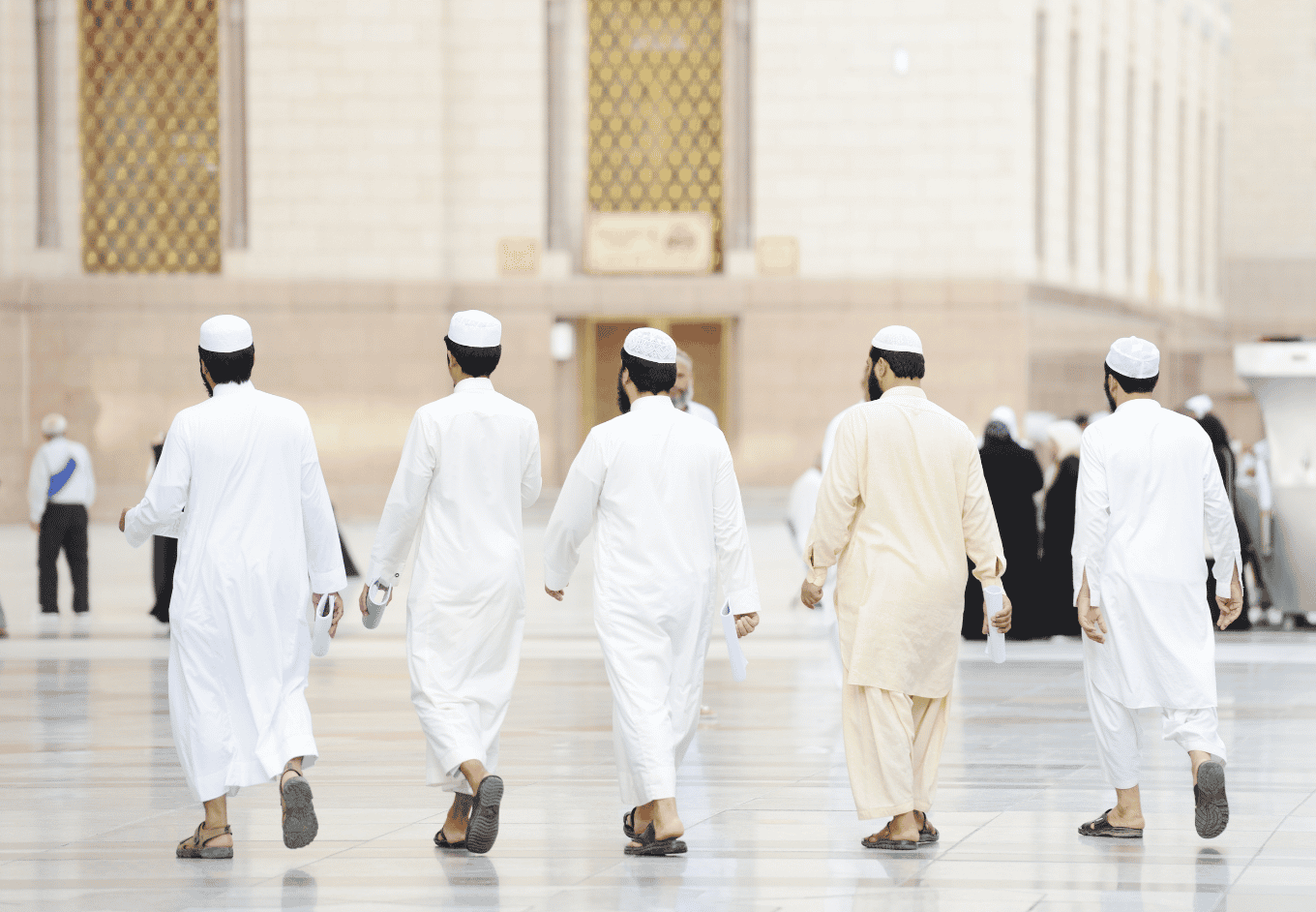
1. Heat: The Most Critical Thing to Get Right
The single most important thing you can do for your health during Hajj 2026 is manage heat proactively, not reactively. By the time you feel bad, you are already behind.
Know the difference:
Heat exhaustion, heavy sweating, dizziness, nausea, headache, pale and cool skin. Move to shade immediately, rest, drink water with electrolytes. Do not continue the ritual. Rest.
Heatstroke, high body temperature, hot and dry skin, confusion, rapid pulse, possible unconsciousness. Medical emergency. Call 997 immediately.
Symptoms to watch for in yourself and your group:
Persistent headache or dizziness
Dry, flushed or red skin
Muscle cramps or sudden weakness
Nausea, vomiting or confusion
Rapid heartbeat or difficulty breathing
What actually prevents it — non-negotiables:
Carry a white umbrella every time you step outside. This is the most cited item in the Saudi Ministry of Health's Hajj 2026 advisory. Not optional.
Drink water constantly — not when thirsty, constantly. At least 250ml every 15 to 20 minutes during outdoor activity. Water alone is not enough, pack electrolyte sachets or ORS (Oral Rehydration Salts) to replace what sweat takes.
Avoid peak heat hours. Noon to 3pm is the danger window. Schedule movements for early morning and late afternoon wherever the ritual allows.
Use cooling towels on your neck and wrists throughout the day, small, packable, and genuinely effective at bringing body temperature down quickly.
Wear light-coloured, loose, breathable cotton. Dark colours absorb heat. Tight clothing traps it.
Applying unscented SPF 30+ sunscreen on all exposed skin, scholars have confirmed this is permitted during Ihram as necessary protective gear, not adornment.
Never skip your tent allocation in Mina. The tents are air-conditioned. A significant proportion of the 2024 deaths occurred among unregistered pilgrims who had no access to cooled shelter. If you have a tent, use it.
2. Crowds: How to Move Safely in the World's Largest Gathering
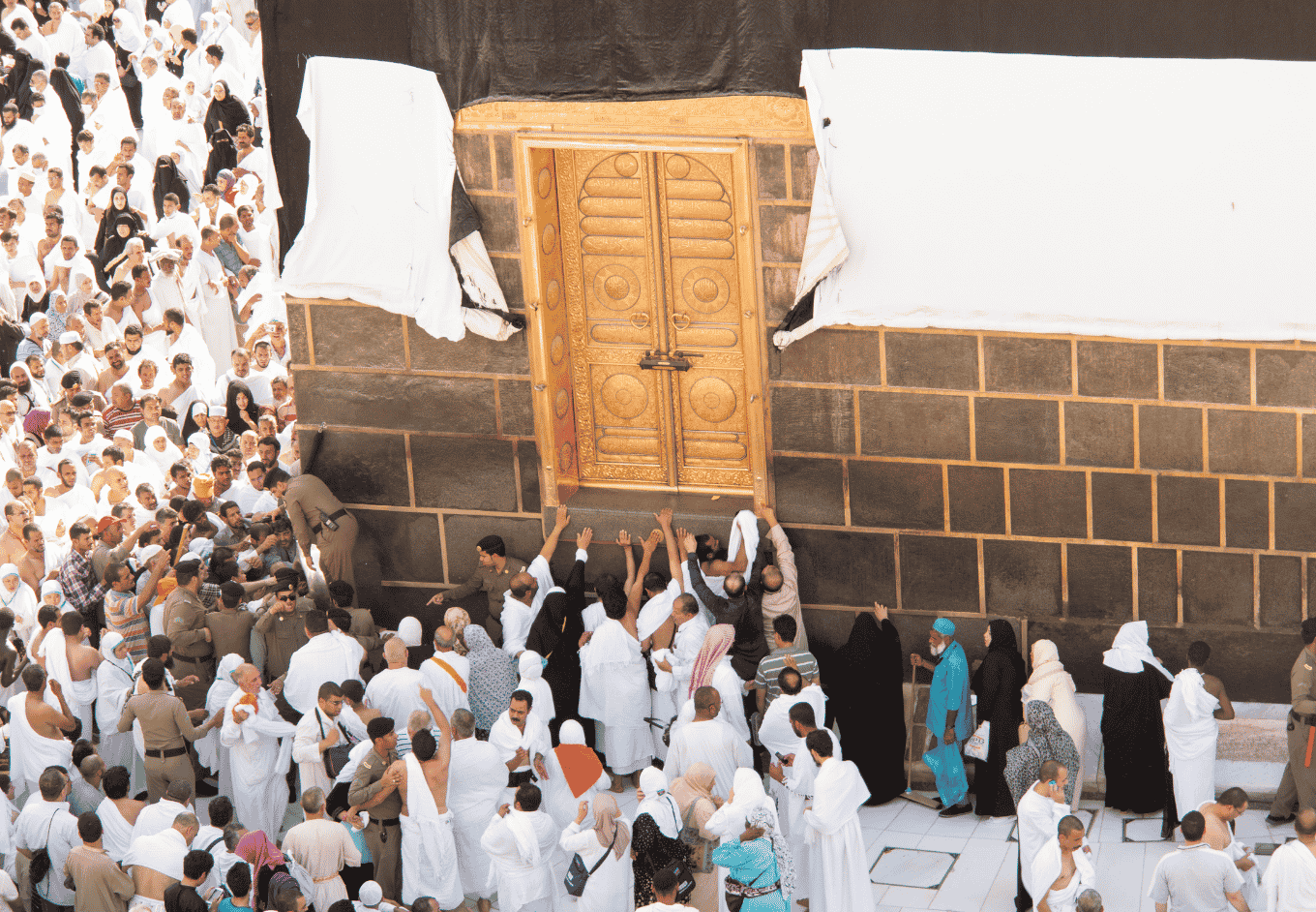
Hajj is the largest annual mass gathering on earth and the crowd dynamics at the Jamarat, during Tawaf, and along the Sa'i path are unlike anything most pilgrims have experienced. Moving well in them is a practical safety skill.
The crowd rules that matter:
Follow your group leader and your designated schedule, do not improvise during high-crowd rituals
Move with the crowd flow, never against it, pushing against crowd direction is how injuries happen
If you feel compressed and unable to breathe, do not panic. Keep arms raised in front of your chest to create space and move diagonally toward the edges
Jamarat timing matters. Early morning and just after Dhuhr are the most congested. Late afternoon and evening are significantly calmer, choose wisely where the ritual permits flexibility
Walk carefully on ablution surfaces, slippery floors cause more falls than most pilgrims expect
If someone near you looks distressed, confused, or unwell, alert your group leader or flag a security officer immediately, do not assume someone else will.
Pilgrims from dozens of countries in one space creates real transmission risk for influenza, respiratory viruses, and airborne illness. The UAE Ministry of Health has confirmed the updated seasonal influenza vaccine for 2025–2026 is strongly recommended. Beyond vaccination:
Wear a mask during Tawaf and at the Jamarat, the most densely crowded sections
Wash hands frequently and carry hand sanitiser with at least 60% alcohol
Avoid touching your face in public areas
Stay away from anyone showing respiratory symptoms and notify medical staff if someone in your group becomes ill.
3. Fatigue: The One That Sneaks Up on Everyone
Fatigue during Hajj is cumulative and deceptive. Day one feels manageable. By day three, the combination of walking distance, heat, disrupted sleep, and the emotional intensity of the rituals creates exhaustion that affects judgment, balance, and physical safety in ways that sneak up on people.
How to manage it properly:
Start physical preparation 6 to 8 weeks before travel. Walking 5 to 8 kilometres daily before the trip significantly reduces the physical shock of Hajj. This is not about being an athlete, it is about being kind to your body so your focus can stay on your soul.
Wear broken-in footwear only. New sandals on day one of Hajj are one of the most common and most avoidable mistakes. Blisters that start on day one compound painfully across the remaining days.
Rest whenever the ritual schedule allows. Sitting in shade between obligations is not laziness — it is energy management that directly affects your ability to complete the pilgrimage.
Eat regular meals. The UAE Ministry of Health specifically advises against skipping meals and against excessive coffee and tea, which accelerate dehydration. Eat properly even when you do not feel like it.
Pack high-energy snacks. Dates, nuts, and energy bars for the long stretches between meal access during Arafat and Mina days, these are the moments when having something in your bag matters most.
Sleep at Muzdalifah. Even briefly. The night is physically restorative if you allow it to be rather than spending it in a state of anxious wakefulness. Bring a light blanket or sleeping bag, the temperature drops considerably after dark.
4. Medication and Medical Preparation
Before you leave:
Visit your doctor 4 to 6 weeks before travel for a full health assessment, not the week before
Get vaccinations at least 15 days before departure, meningococcal vaccination is mandatory, the updated seasonal influenza vaccine is strongly recommended, COVID-19 vaccination requirements vary by country
Saudi health authorities have tightened fitness criteria for 2026, pilgrims with advanced kidney, liver, or heart failure may be disqualified from performing Hajj. Confirm with your doctor and check the Nusuk platform if you have a significant underlying condition.
What goes in your bag:
All prescription medications in original packaging with a doctor's letter in both English and Arabic
Carry medication in hand luggage only, never checked baggage
A pill organiser for daily dose tracking, routine is disrupted during Hajj and it is easy to lose track
Medical ID bracelet for diabetes, heart conditions, asthma, or any condition that affects emergency care decisions
Basic first aid kit, blister plasters, bandages, antidiarrheal tablets, paracetamol, antihistamines, throat lozenges, and electrolyte sachets
Saudi emergency number: 997. Save it in your phone before you land.
5. The Stuff Nobody Talks About Enough
A few overlooked health areas that trip up first-timers:
Skin health, heat, sweat, and prolonged movement in Ihram creates friction and fungal infection risk that builds across the days.
Use antifungal powder in underarm and groin areas daily
Apply a barrier cream or zinc oxide to friction points before long walking days
Check feet at the end of each day and treat blisters immediately, walking on untreated open blisters in a crowd environment is genuinely painful and worsens fast
Food safety, Eat fully cooked food only. Fruits that can be peeled are safer than pre-cut options. Avoid raw or unpasteurised milk including camel milk. Avoid undercooked meat. Food poisoning in the heat of Hajj is a serious complication that will sideline you from rituals, it is very avoidable.
Mental fatigue, This one is real and almost never discussed. The emotional intensity of Hajj, combined with physical exhaustion, heat, and disrupted sleep, can create disorientation and irritability that affects the experience and safety of the whole group. Pace yourself spiritually as well as physically. Avoid arguments. Maintain a peaceful, focused mindset. You came for something specific, keep returning to that intention.
Where You Stay Is a Health Decision
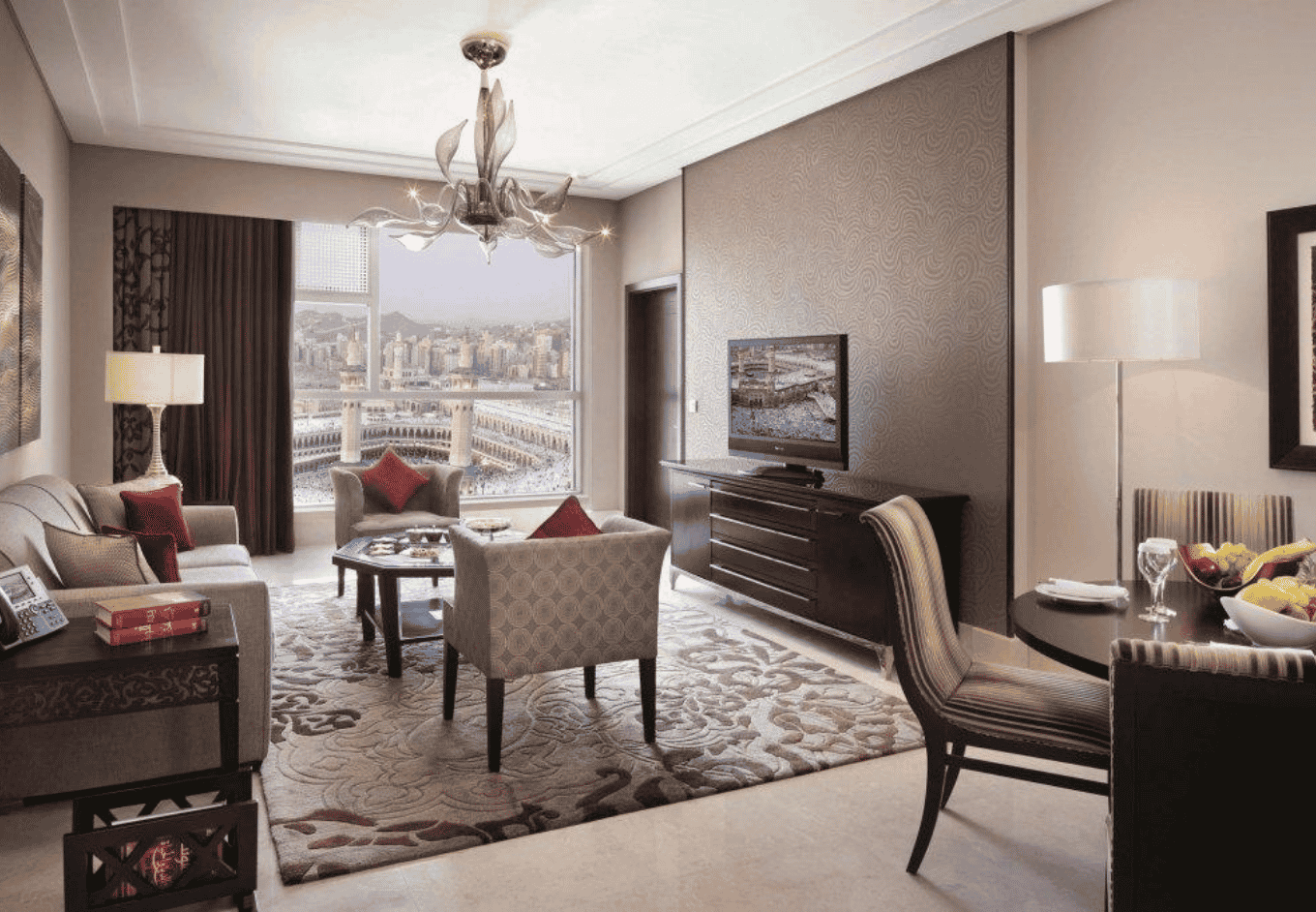
This point matters more than most guides give it credit for. Your accommodation is your cooling station, your recovery space, and your physical foundation across the entire pilgrimage. In 47°C heat, the difference between a 5-minute walk to the Haram and a 25-minute one is not a convenience gap, it is a genuine health variable that compounds across every day of Hajj.
CuddlyNest covers a solid range of Makkah and Madinah properties across different budgets, using the map view to check exactly how each property sits relative to the Haram before you commit. Here are some well-positioned options:
Fairmont Makkah Clock Royal Tower — Directly connected to Masjid al-Haram via covered walkway. Covered access to the mosque in 47°C heat is not a luxury — it is a meaningful health advantage. The benchmark for proximity in Makkah.
Shaza Makkah — Refined, well-located, and close to the Haram. Attentive service and spacious rooms — both important when your body needs genuine rest between rituals.
Makkah Grand Coral — A well-reviewed mid-range option with good Haram proximity. Practical, comfortable, and well-priced for what it delivers during the pilgrimage season.
Rua Al Madinah Hotel — Well-positioned close to Masjid an-Nabawi for the Madinah leg. Getting the Madinah accommodation right matters just as much as Makkah — and this one delivers on location without the premium price.
Al Eiman Royal Hotel — Reliable, comfortable, and close to the Prophet's Mosque. A solid Madinah choice for families and solo pilgrims alike.
The Quick Reference: Before You Go Checklist
Print this. Put it in your bag.
Doctor visit completed 4 to 6 weeks before departure
Meningococcal and influenza vaccines administered at least 15 days before travel
All medications packed in hand luggage with doctor's letter in English and Arabic
White umbrella — packed
Refillable insulated water bottle — packed
Electrolyte sachets or ORS — packed
Unscented SPF 30+ sunscreen — packed
Cooling towels — packed
Broken-in sandals and flip-flops — worn in advance
Saudi emergency number 997 — saved in phone
Accommodation booked close to the Haram — done on CuddlyNest
The Bottom Line
Hajj 2026 is physically demanding, the heat is serious, and the crowds are unlike anything else on earth. None of that changes the meaning of the journey, but all of it changes how well you are able to experience it. The pilgrims who arrive prepared, stay hydrated, rest when needed, and base themselves close to the Haram are the ones who complete Hajj with full presence and full energy.
Get the accommodation right on CuddlyNest, the map view shows you exactly how close each property sits to the Haram, the range covers every budget, and if crypto is your preferred way to pay, CuddlyNest accepts USDT, USDC, BUSD, and DAI, making it one of the most flexible booking platforms available for today's pilgrim.
Prepare the body. Protect the experience. May your Hajj be accepted.
Frequently asked questions about how to stay healthy during hajj 2026
Why should I use CuddlyNest instead of a traditional airline site?
What vaccinations are required before performing Hajj 2026?
How can pilgrims avoid heat exhaustion during Hajj?
everyone.