Destination Deep-Dive 5 MIN READ

What To Do In Pisa: Top 7 Activities

What To Do In Pisa: Top 7 Activities

Destination Deep-Dive 5 MIN READ

As one of the most famous cities in Italy, Pisa offers plenty of tourist attractions. It’s located just 20 minutes from the Ligurian Sea and has excellent transportation connections to Florence, La Spezia, and Livorno.

Even though most people come here for the Leaning Tower, this Tuscan city has other amazing monuments like The Cathedral Of Santa Maria Assunta, Museo Dell’Opera Del Duomo, Campo Santo, and many more! It’s an incredible travel destination with a lot to do and see. Are you ready to explore Pisa?

Find The Best Places To Stay In Pisa

Where to Stay In Pisa?
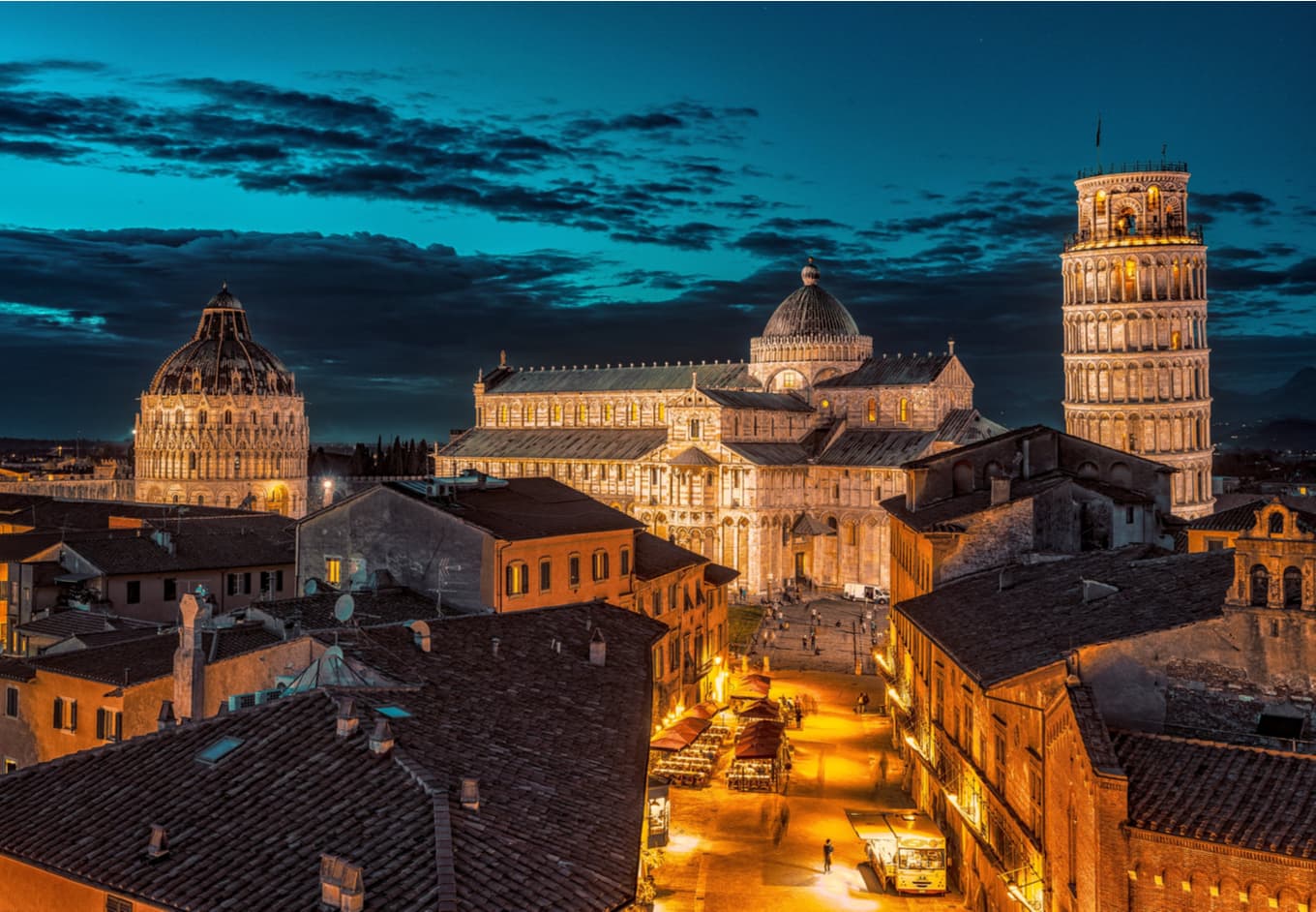
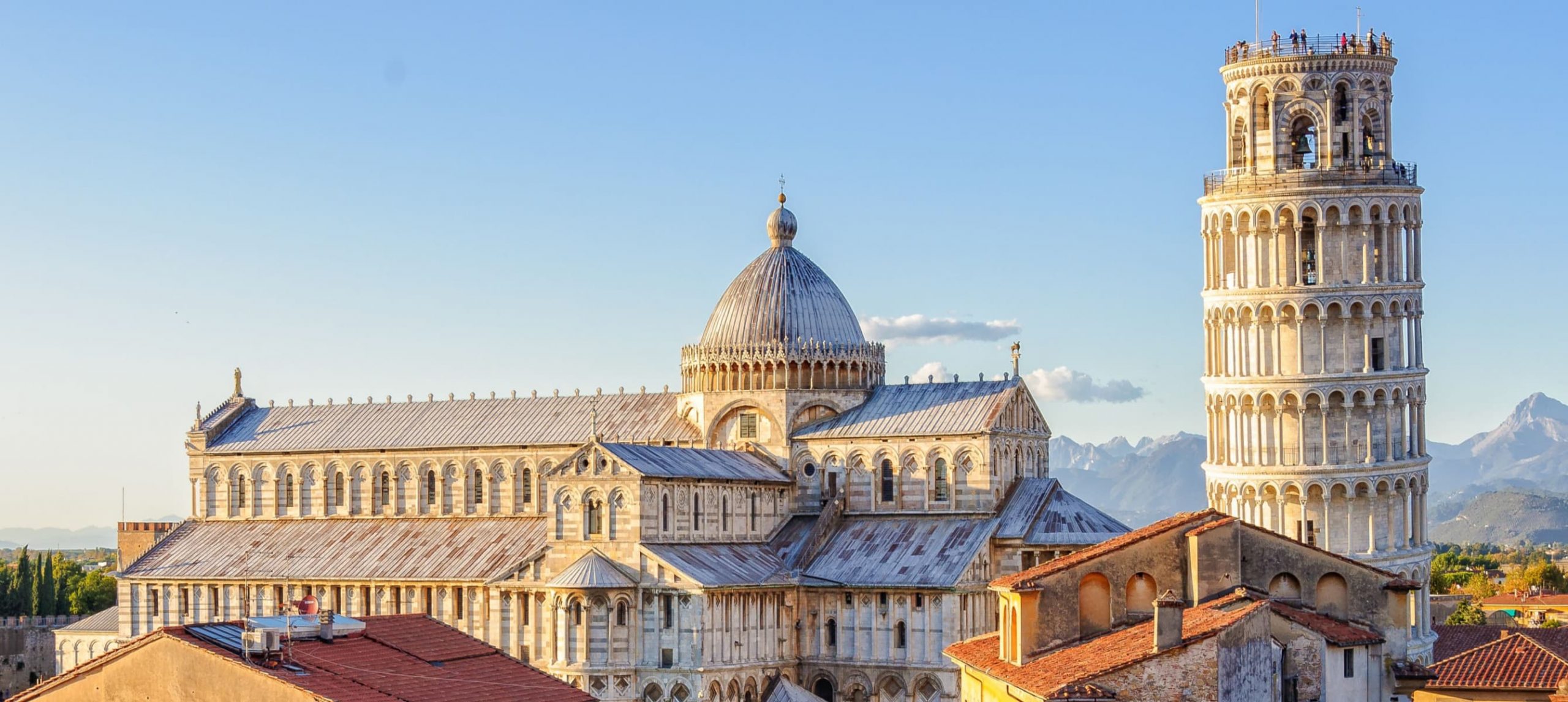
Skyline of the city of Pisa, in Italy.

Pisa is home to an array of fabulous attractions, so you might want to reserve 2 to 3 days in order to experience the city in depth. 

The city also boasts a dazzling array of accommodation options that cater to every taste and budget. So whether you’re a couple looking for a romantic getaway or a solo traveler in search of some adventure, you’re sure to find the perfect place to stay in Pisa.

Click here to discover a well-curated list of incredible places to stay in Pisa, including comfy hotels, vacation apartments, B&Bs, and more.

What To Do In Pisa: Top 7 Activities

Take A Photo In Front Of The Leaning Tower Of Pisa
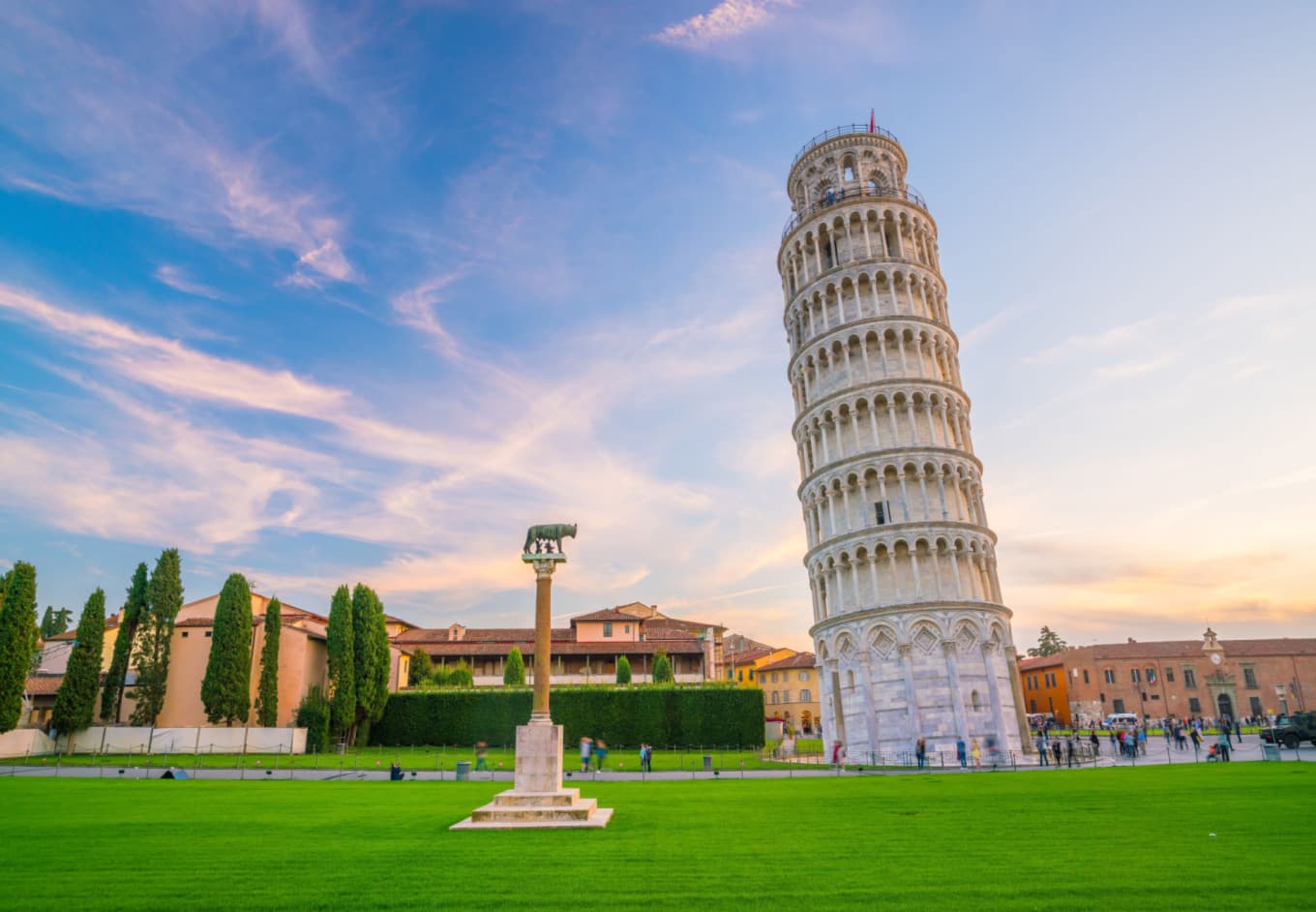
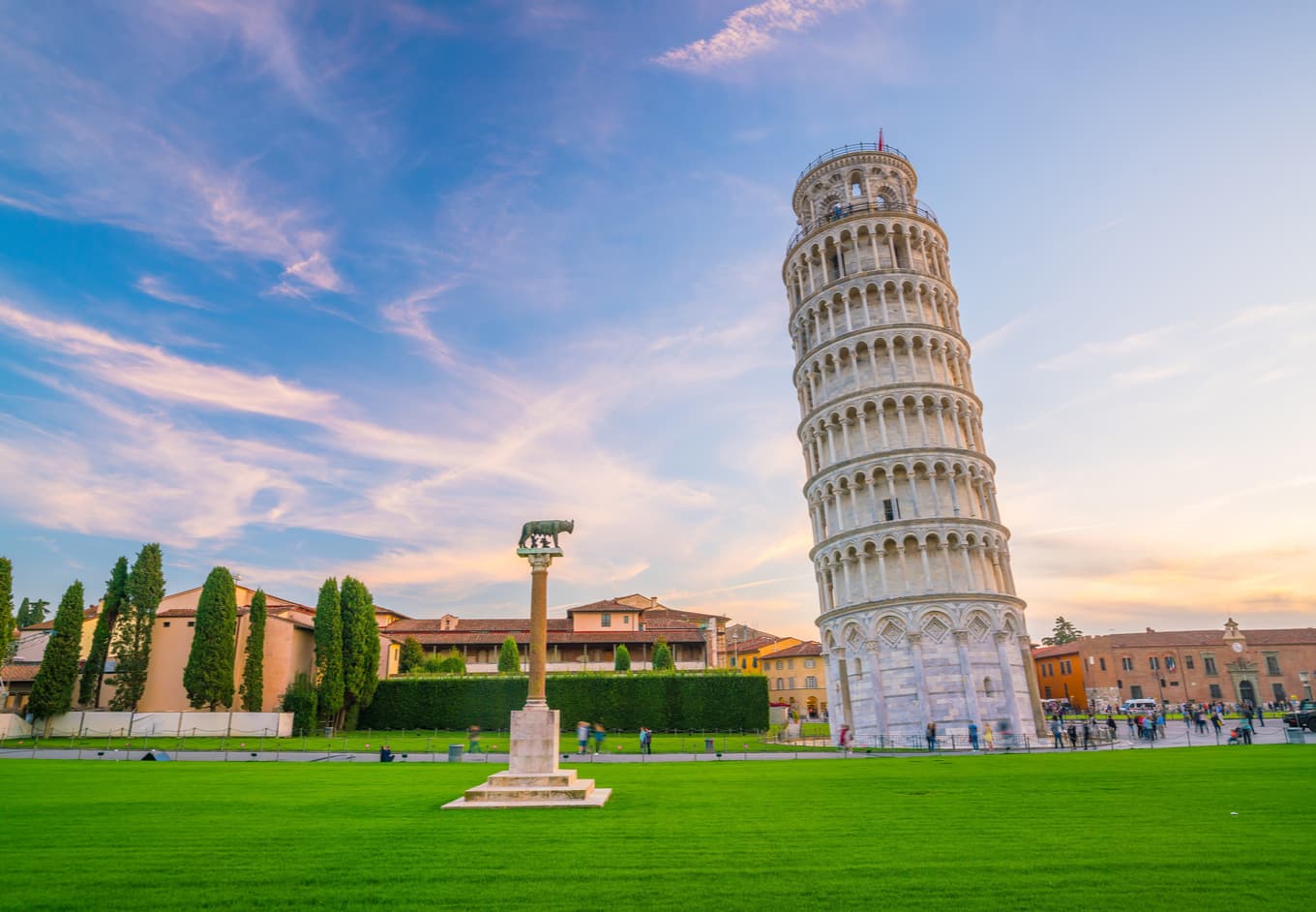
The Leaning Tower of Pisa

The bell tower, by far, is the most popular attraction in Pisa and a famous structure all over the world. Renowned for its tilt, the Leaning Tower of Pisa draws thousands of visits a year. However, in the original plan, it wasn’t supposed to be the centerpiece of the square.

The building was built in the 12th century, just after the Cathedral, but it soon became apparent that the foundations were weak, and the structure started to lean. The tower is still leaning today, although precautions have been taken to prevent it from completely collapsing.

Besides snapping a classic photo in front of it, take a good look at its fantastic architecture and the six rows of stone arches. Furthermore, you can climb to the top of the tower to get a unique view of the city.

Address: Piazza del Duomo, 56126 Pisa PI, Italy

Admire The Cathedral Of Santa Maria Assunta And The Baptistery
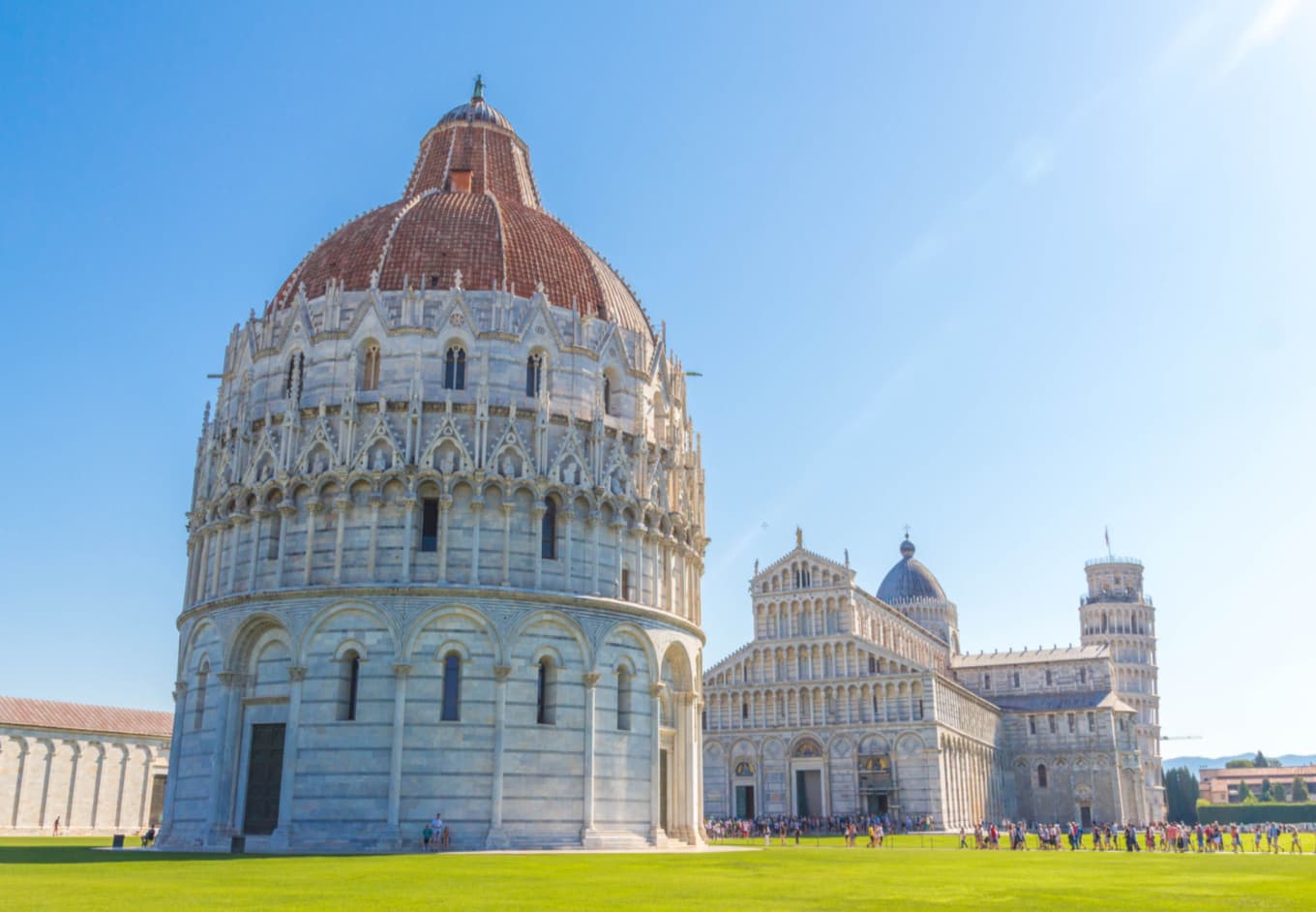
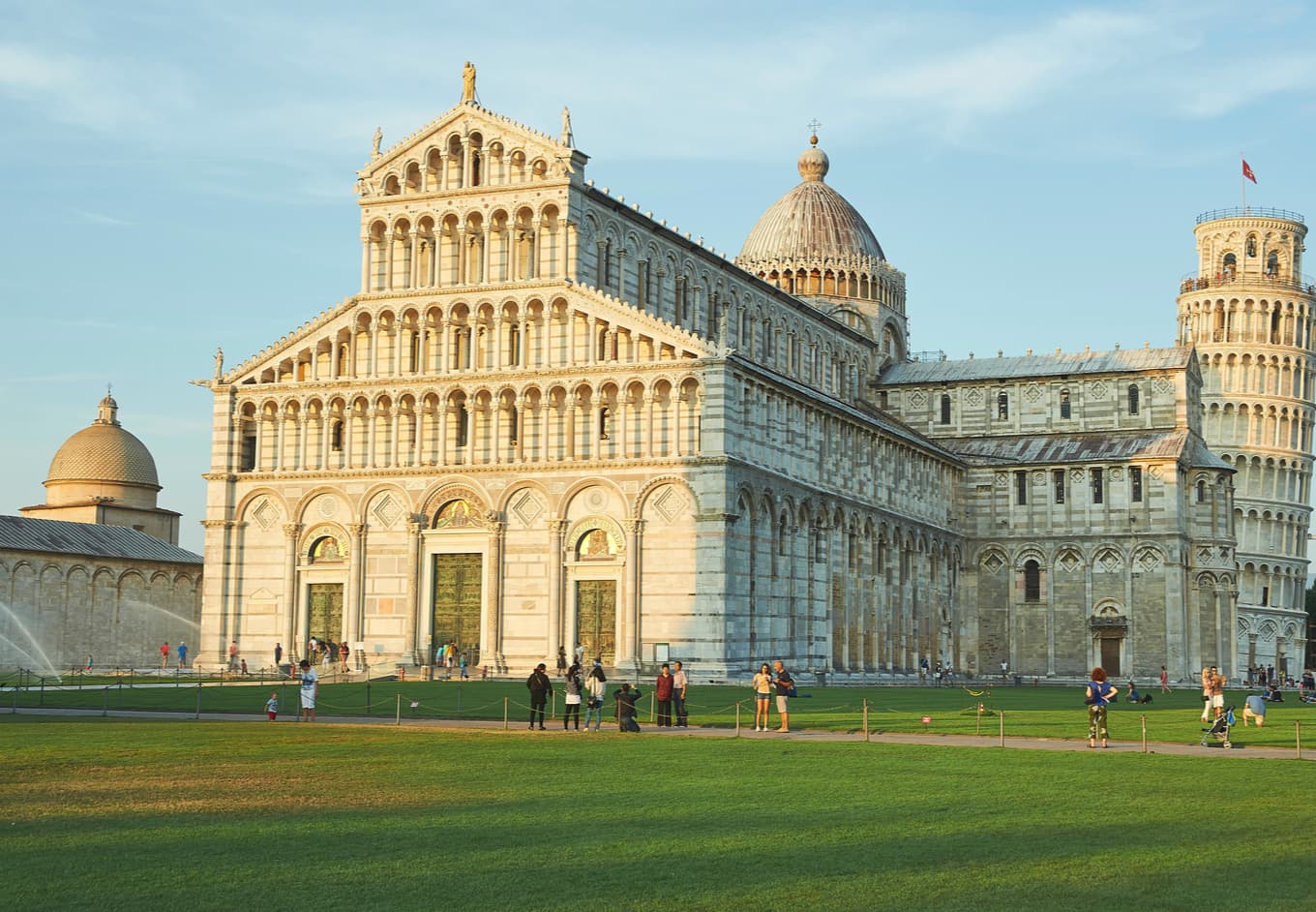
Baptistery and the Cathedral of Pisa in the background

On Campo dei Miracoli, the Cathedral of Pisa is right next to the famous Leaning Tower. Its Pisan Romanesque architecture features white marble that was designed by Buscheto. The construction began in 1063 and was completed in 1092. Additionally, the cathedral’s interior is also very lovely. The main aisle’s ceiling is decorated with gold, and the dome has a stunning fresco of Mary’s Assumption.

To match the adjacent tower, the Baptistery is also slightly tilted. This massive structure is 54 meters tall and has a stunning exterior look with several statues, arches, and ornaments. However, the dome roof is only partially covered – half of it has orange tiles while the other half doesn’t.

Address: Piazza del Duomo, 56126 Pisa PI, Italy

Find Religious Relics At Museo Dell’Opera Del Duomo
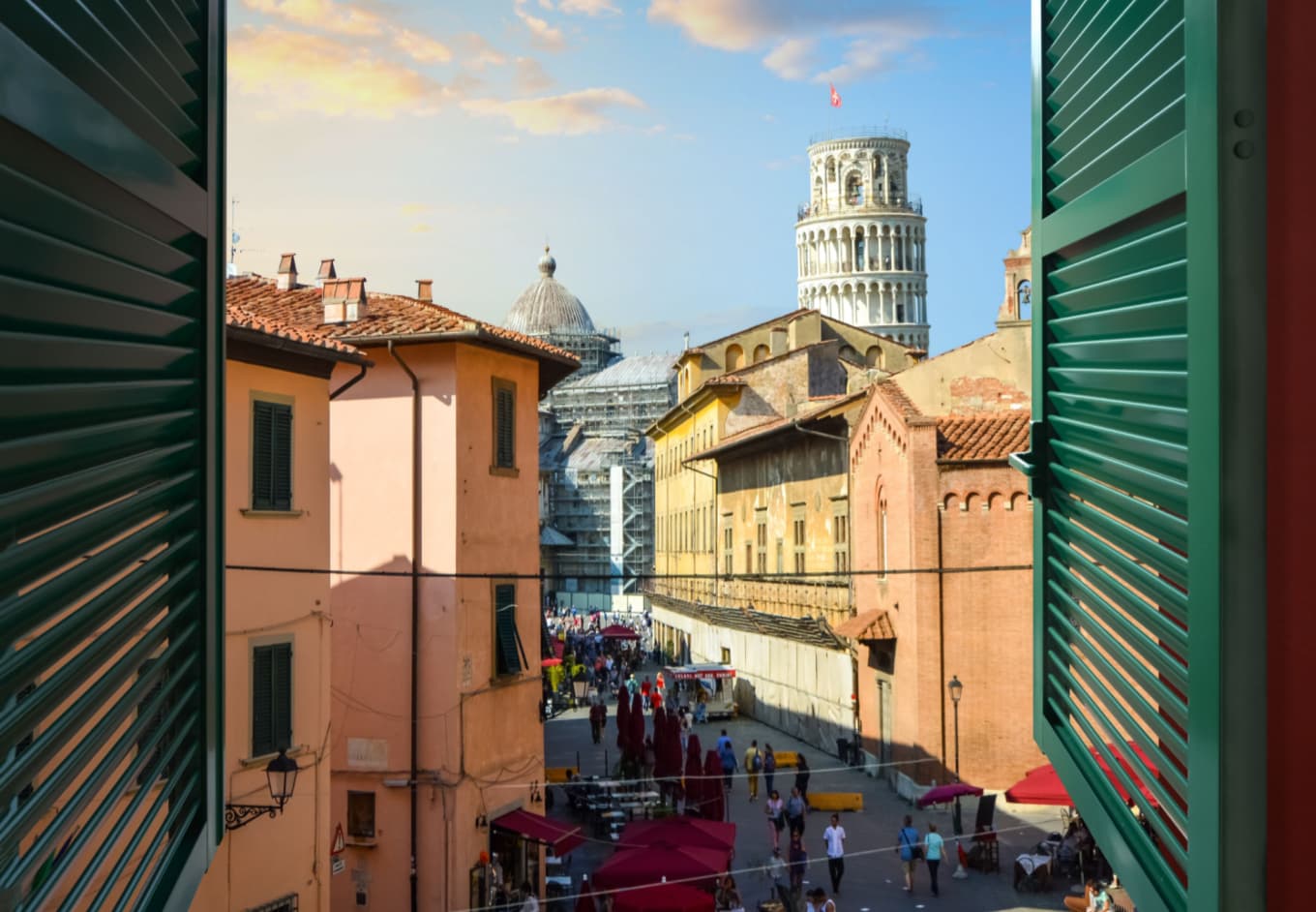
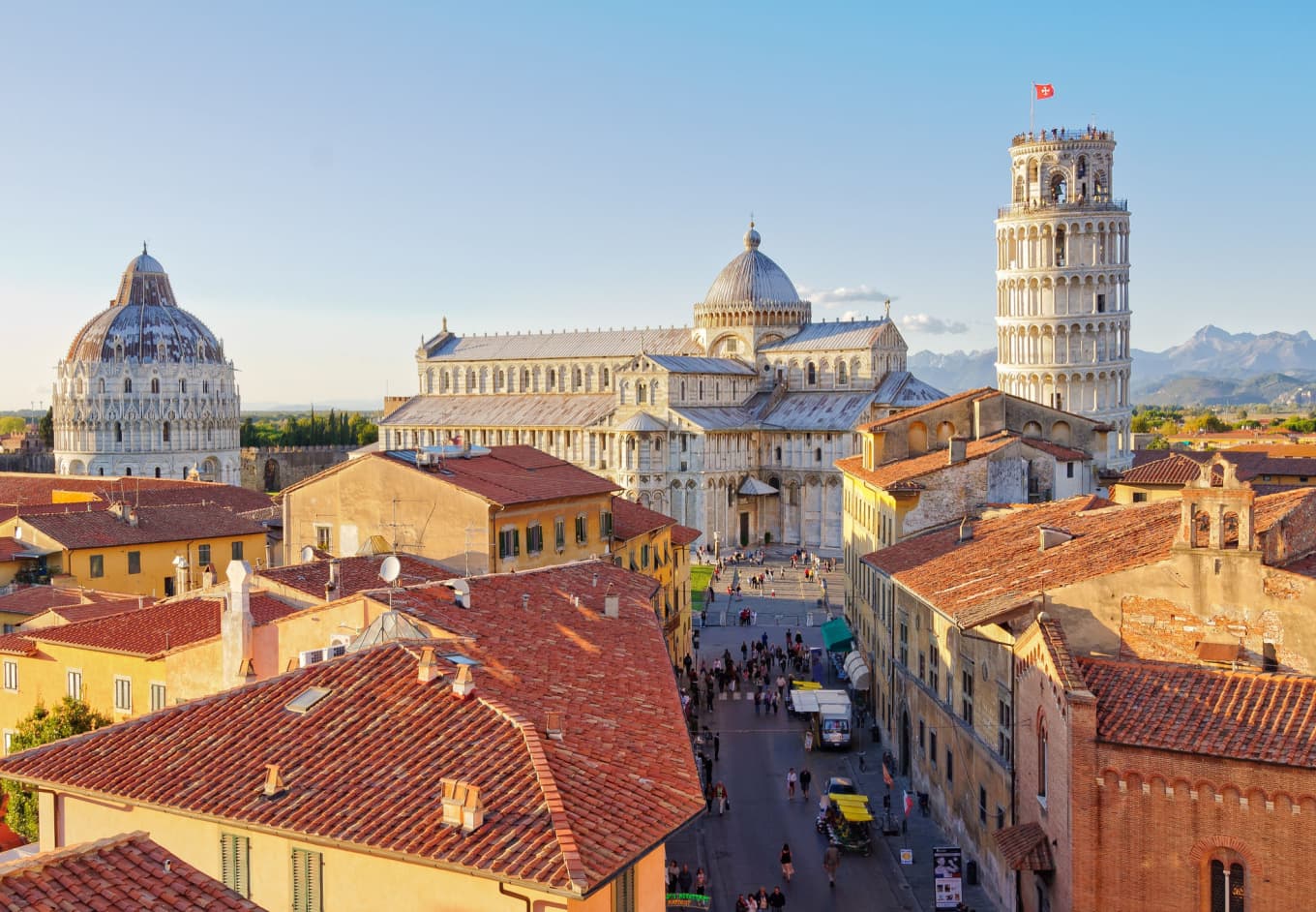
A view of the Miracoli complex from one of the nearby buildings

This Cathedral Museum has a lot of artifacts and relics from the Cathedral of Pisa and the surrounding region. Plus, it offers great views of the Leaning Tower from the second floor. Additionally, you can discover several artifacts from Pisa’s naval history as well as a variety of Roman-era religious artifacts – sculptures, paintings, toms, and silversmith work.

Address: Piazza del Duomo, 9, 50122 Firenze FI, Italy

Stop By The National Museum Of San Matteo
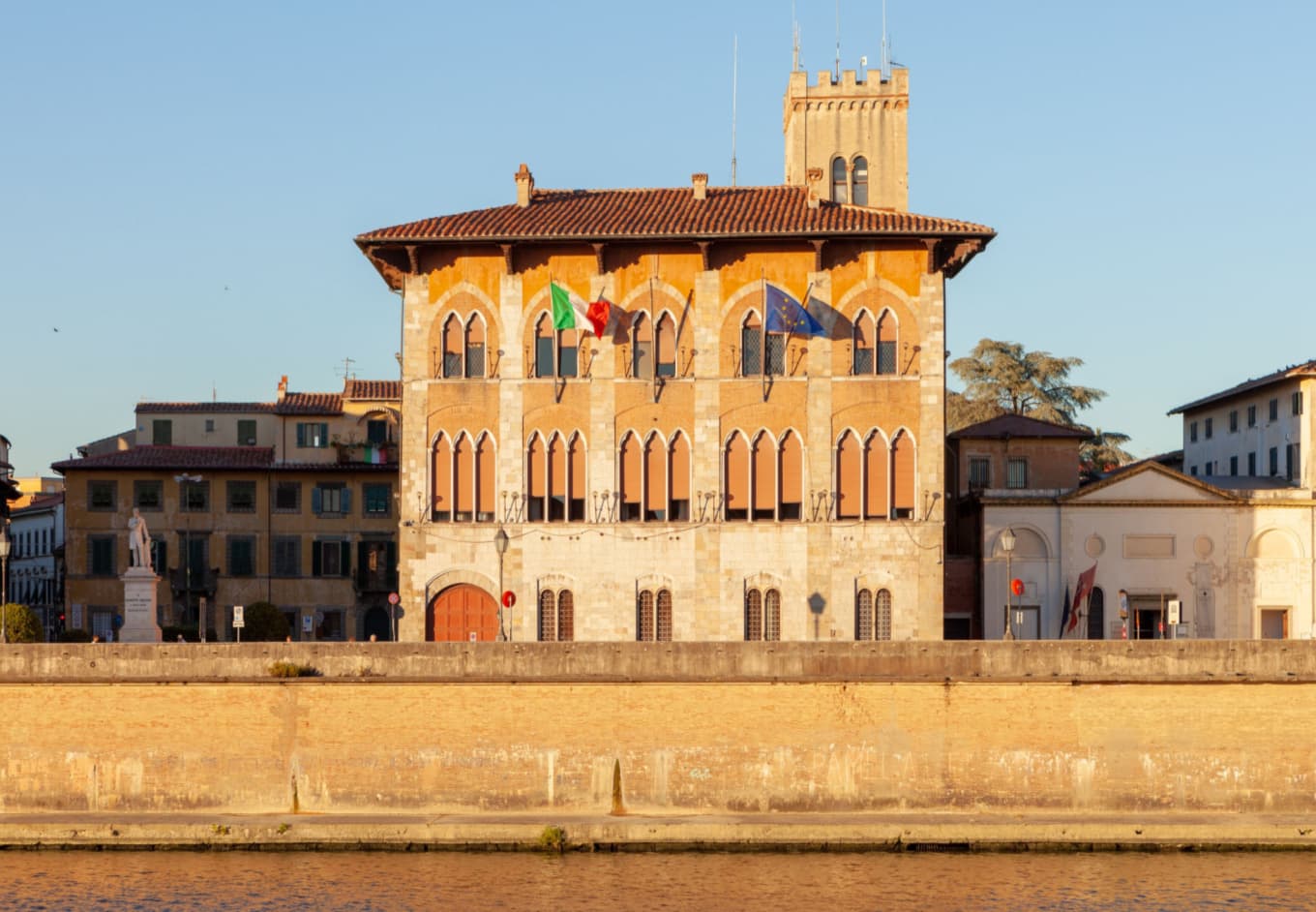
A building of the National Museum in Pisa

A beautiful collection of Pisan paintings and sculptures from the 12th to the 15th centuries can be found at the National Museum of San Matteo in Pisa, which is housed in a medieval monastery overlooking the Arno. A section of the museum showcases painted crosses and works by Berlinghiero Berlinghieri, Tedice, and Maestro di San Martino.

Simone Martini’s magnificent and outstanding Polyptych of St. Catherine of Alexandria is a prime example of fourteenth-century art. It is the painter’s biggest and most detailed piece that came from the altar of the Church of Santa Caterina in Pisa.

Address: Piazza San Matteo In Soarta, 1, 56127 Pisa PI, Italy

See The Knights’ Square
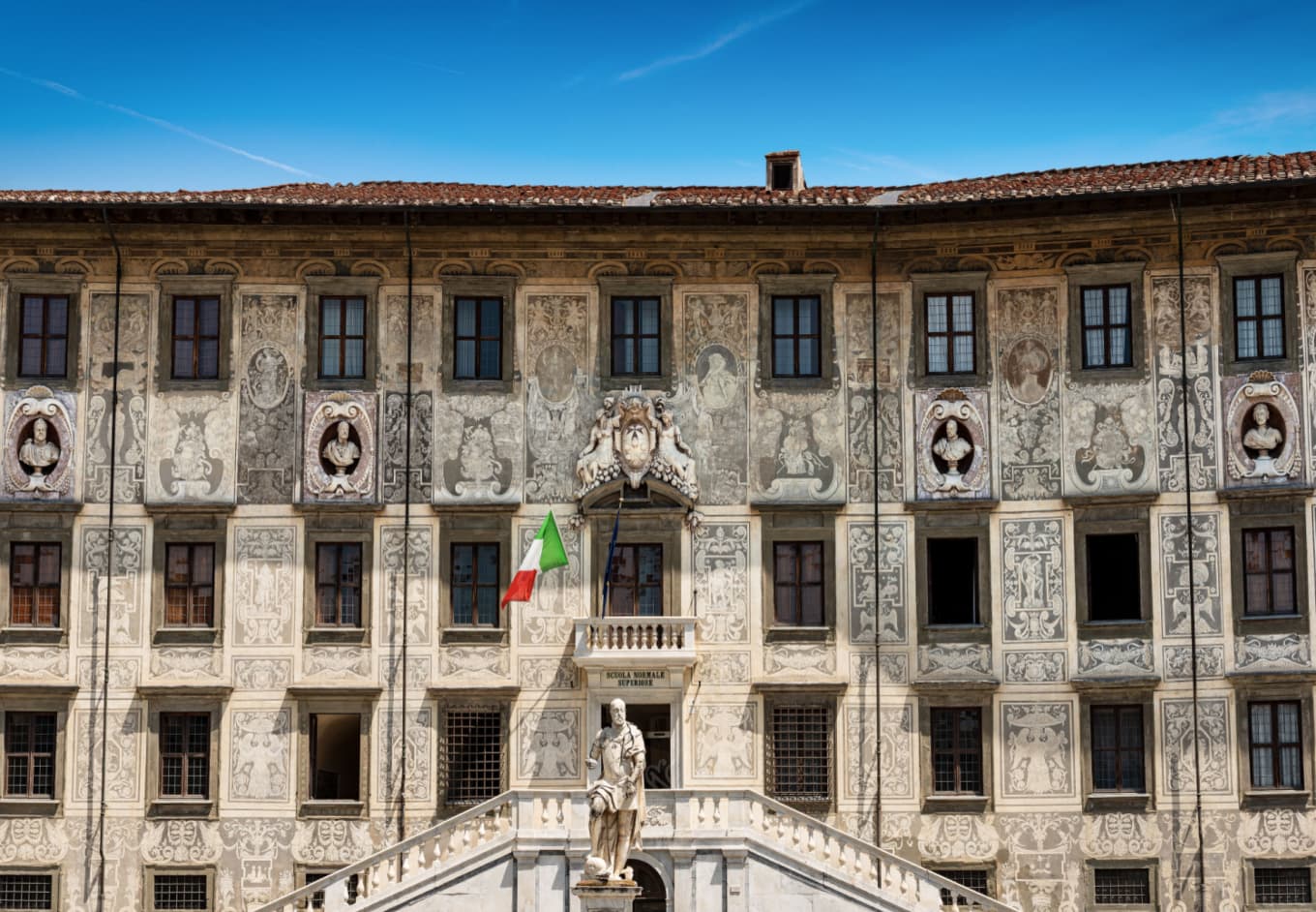
Knights Square building in Pisa

Piazza Dei Cavalieri was a political center in medieval times and used to be the headquarters of the Order of the Knights. The building, Palazzo dei Cavalieri, features graffiti of allegorical figures, busts of the Grandukes of Tuscany, and zodiac signs. A statue of Cosimo I stands in front of it and serves as a reminder of his victories. Today, the palace is home to Pisa’s University.

Address: Piazza dei Cavalieri, 7, 56126 Pisa PI, Italy

Visit Campo Santo
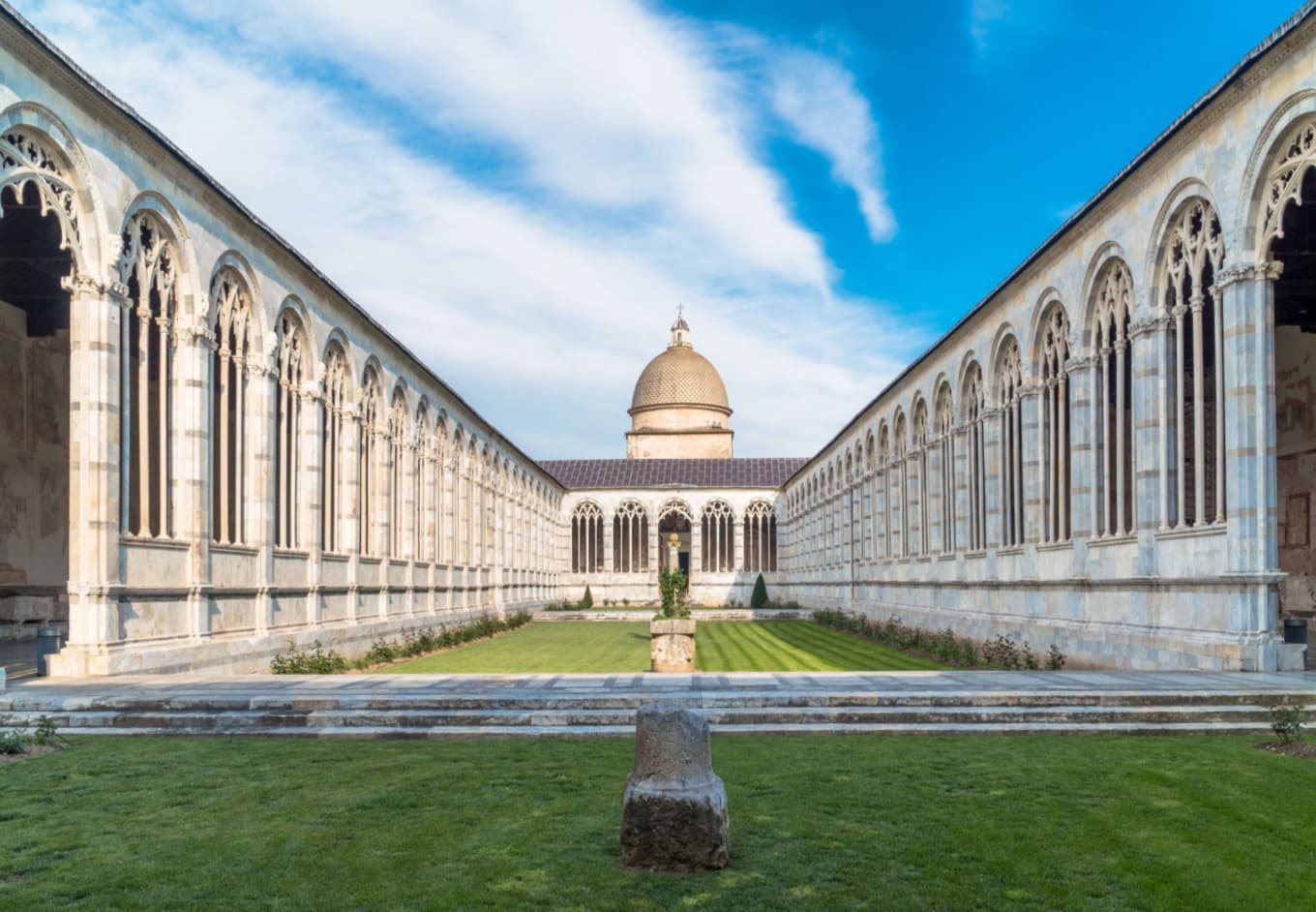
Monumental cemetery in Pisa

A monumental cemetery is a sacred place with medieval artwork and stunning frescoes. It has a huge collection of Roman sarcophagi, sculptures, and urns. The artist Giovanni di Simone constructed the cemetery over the earlier burial place around 1278. What’s interesting is that it was initially intended to be a church with the name Santissima Trinita, but the plan was altered while the project was being built. Campo Santo is a must-see for every history buff!

Address: Piazza del Duomo, 17, 56126 Pisa PI, Italy

Take An Afternoon Walk Along The Arno River
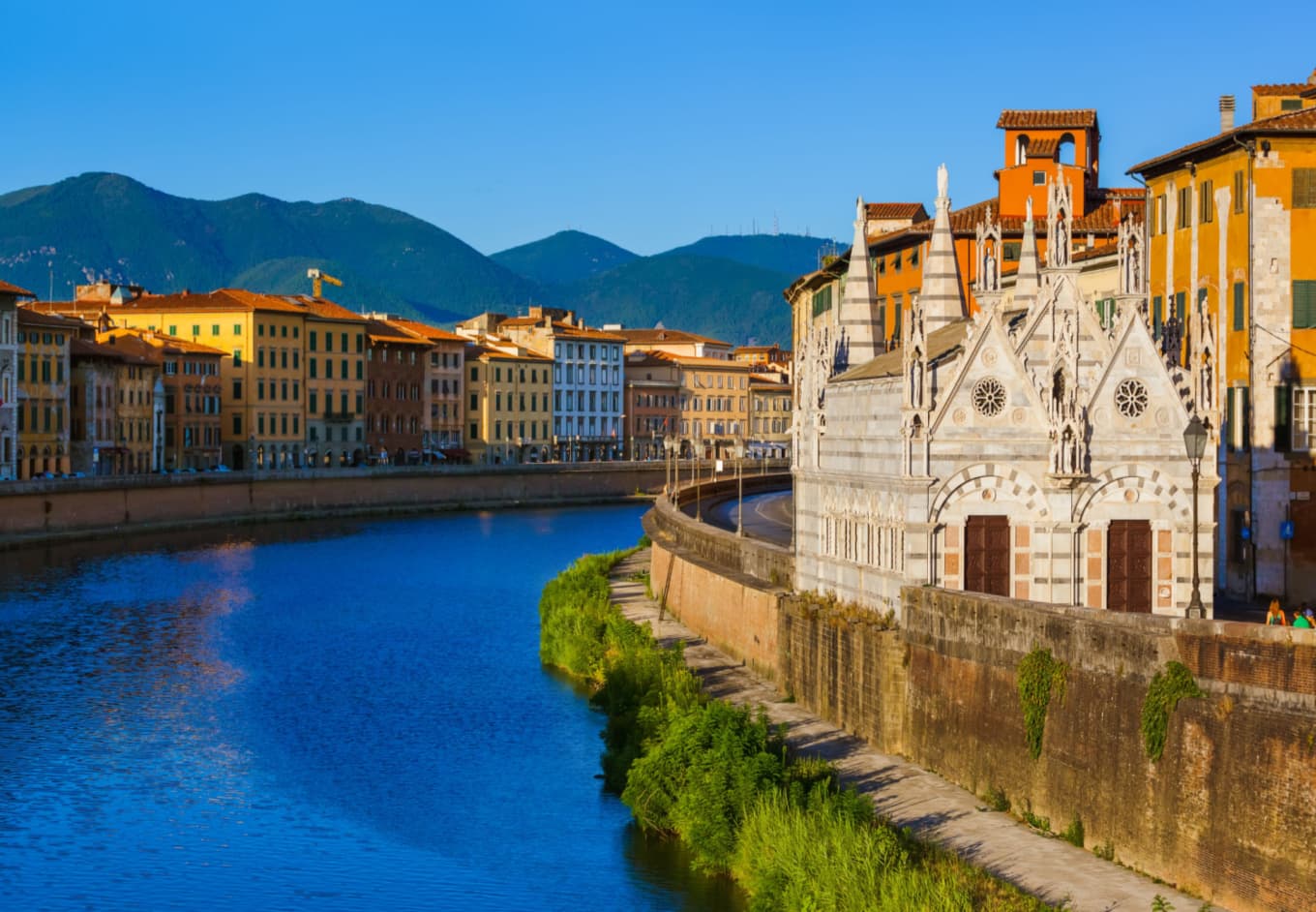
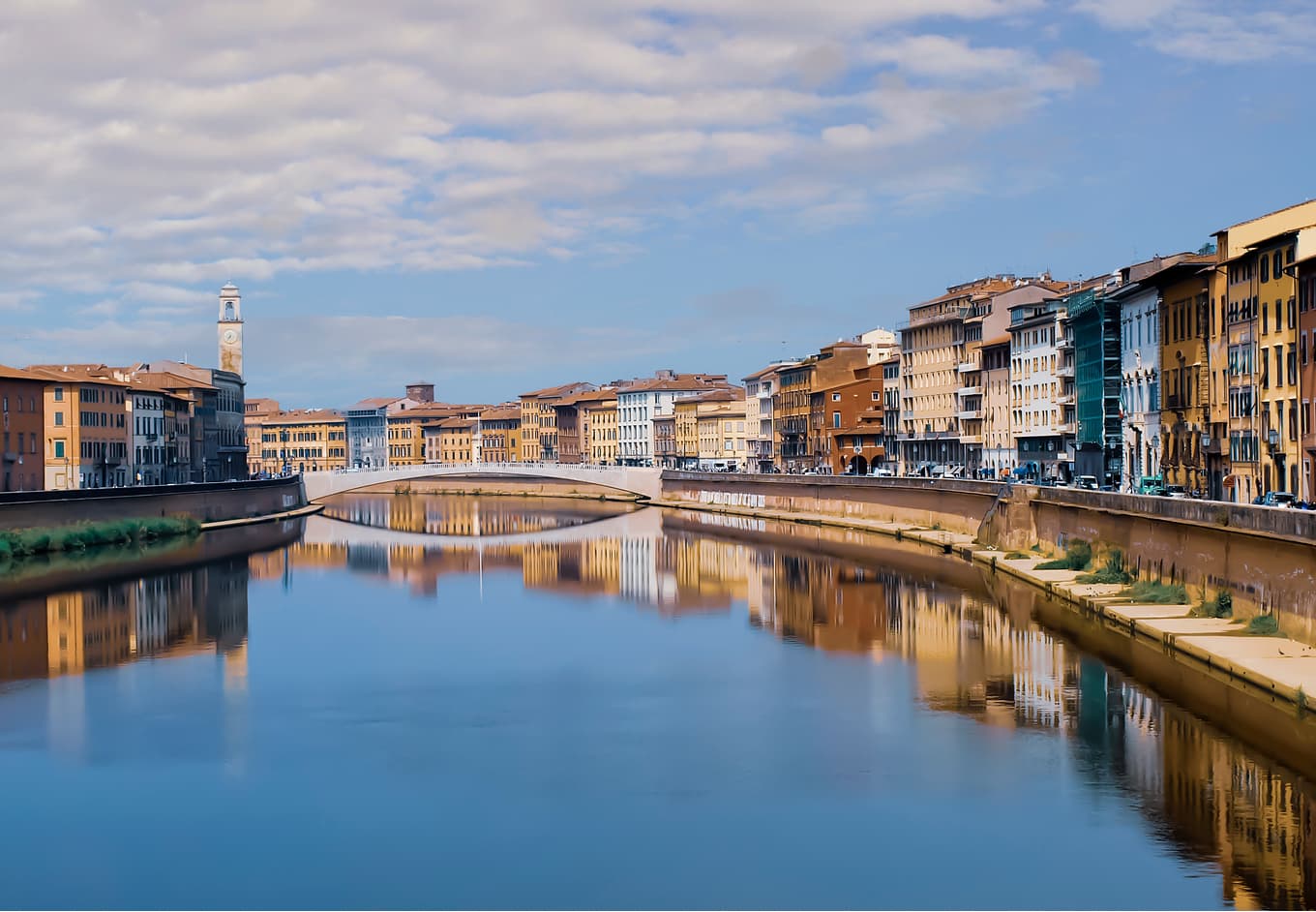
River Arno with famous landmarks lined up by it, Pisa

You can pass by some famous Pisa landmarks like Santa Maria della Spina and Palazzo Medici while strolling along the River Arno. Grab a coffee at one of the cute coffee shops, or perhaps a tasty gelato, and simply enjoy the beautiful scenery.

FAQ

Is Pisa worth visiting?

Even if you just want to explore the iconic Leaning Tower of Pisa on the Piazza dei Miracoli – Pisa is for sure worth visiting. There are plenty of other attractions that are worth seeing too.

Is Pisa close to Rome or Florence?

Pisa is closer to Florence than to Rome. It’s located 83km west of Florence and 350km from Rome.

What is there to do in Pisa besides the tower?

There are a number of attractions apart from the Tower, including:

  • Campo Santo
  • Cathedral of Santa Maria Assunta
  • Pisa Baptistery
  • Museo dell’Opera del Duomo
  • Santa Maria della Spina
  • National Museum
  • Palazzo della Carovana
  • Basicica Romanica di San Piero a Grado
  • River Arno
  • Borgo Stretto
  • Piazza delle Vettovaglie

How many days do you need in Pisa, Italy?

One day in Pisa is more than enough to see the Leaning Tower and other major sights.

Is the Leaning Tower of Pisa a UNESCO World Heritage Site?

The Leaning Tower of Pisa, Cathedral, Campo Santo, and Opera del Duomo Museum are all part of a UNESCO World Heritage Site.

What do I need to know before visiting Pisa?

There will be long lines to climb the tower so book your spot ahead. Tickets at the door cost €18 for all visitors over the age of 8.

Browse. Book. Stay.

CuddlyNest provides all accommodations to all travelers at the best price. Find unlimited travel inspiration on our blog and social media channels:
FacebookInstagramPinterest, and X.

You Might Also Like:

How To Travel From Rome To Capri: 3 Ways
Top 6 Things to See In Piazza Della Signoria, Florence
How to Get From Rome to Pompeii: The 4 Best Ways
How To Get From Milan To Cinque Terre: 4 Ways
Train From Rome to Florence: Everything You Need to Know
Two Fun Ways To Travel From Naples To Capri
The Best Guide To Florence’s Piazza Del Duomo
6 Awesome Things To Do In Catania, Italy


Millions of places to stay, one app.

Don’t miss out on mobile-only deals and one-of-a-kind offers.

QR image

Get the app now.

Download from Apple Store button Download from Google Store button
Phones images
California 6 MIN READ

The Best Time to Visit San Francisco, California

The Best Time to Visit San Francisco, California

California 6 MIN READ

San Francisco handsomely rewards urban explorers with a laundry list of attractions that go way beyond the cliched tourist destinations. Fabled museums & art galleries, lush urban parks, charismatic neighborhoods, history-filled sites, and international eateries abound in the city, making it a perfectly rounded break full of food, culture, and outdoor activities.

Fulfilling almost every idea of how a perfect city should be formed, San Francisco also happens to be known for its capricious weather. Fog and cool winds, which can suddenly roll in on a sunny day, are a common weather phenomenon in the San Francisco Bay Area. Summers in the city can be unusually cool because of the cold current that flows along the coast of California.

Mysterious climate patterns make it challenging to decide when to visit San Francisco. But worry not, we’re here to help. In this thoughtful guide, we break down what is the best time to visit the city based on not only weather, prices, and events. Have a look below to learn more!

Find Places To Stay in San Francisco, California

San Francisco’s Weather

Couple overlooking the Painted Ladies, in San Francisco, California.

San Francisco has a warm-summer Mediterranean climate, characterized by moist, mild winters and dry summers. The city’s weather is strongly influenced by the cool currents of the Pacific Ocean on the west, and the water of San Francisco Bay to the north and east. This moderates temperature swings and creates a mild year-round climate with little seasonal temperature variation.

As a result, the year’s warmest months are September, when the city experiences the so-called “Indian Summer” — an unseasonably warm, dry weather that happens during autumn in some places in the northern hemisphere.

Recommended Read: 5 Best Hotels Near San Francisco International Airport

San Francisco’s Seasons

Spring

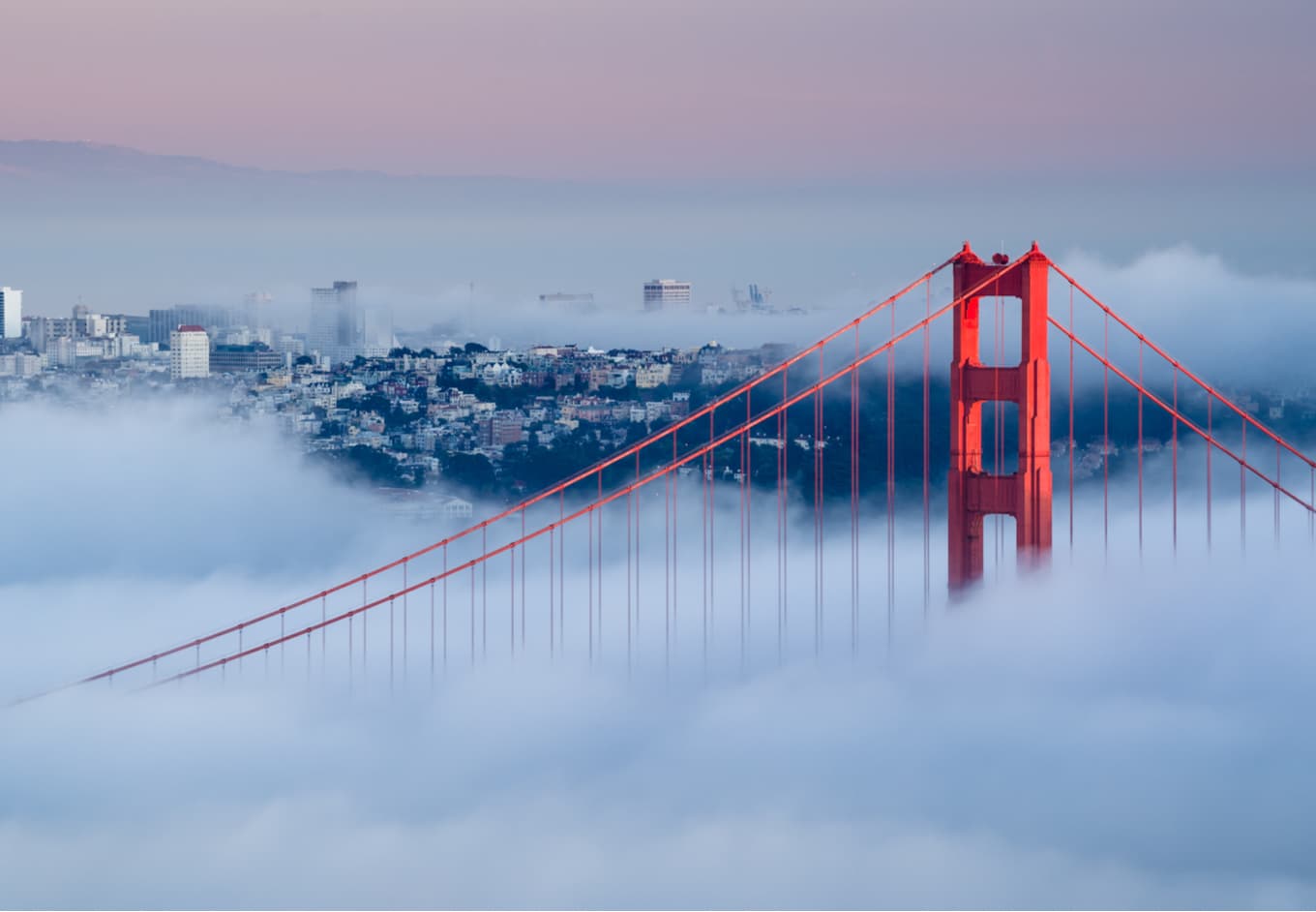
Golden Gate Bridge covered in fog, in San Francisco, California.

Springtime, which runs from March until June, brings mild temperatures, with averages of 17ºC. The first month of Spring is the rainiest. In April and May, precipitation decreases, and daytime temperatures can peak at around pleasant 18ºC.

Summer

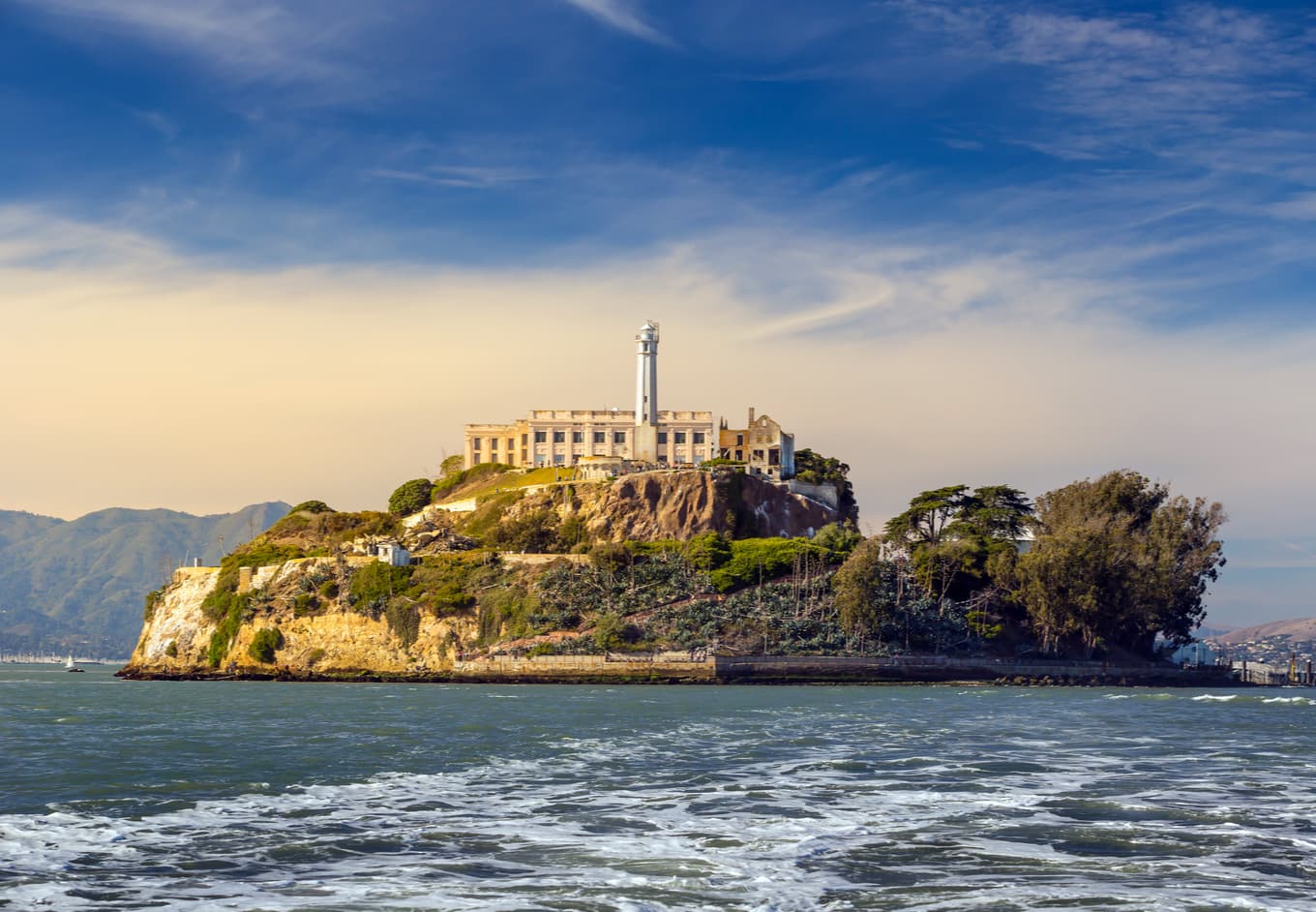
Alcatraz Island, in San Francisco, California.

Unlike other parts of the United States, summers in San Francisco are chill, windy, and often damp. Average highs are barely rising above 20 °C, and temperatures can plummet as low as 12ºC. Temperatures above 27º C are unusual.

During the summer months (June to August), there might be fog in the morning and sometimes in the afternoon. The fog begins to dissipate in August or early September, bringing warmer weather.

This is the dry season in San Francisco, and you are unlikely to see any rain.

Fall

San Francisco, California.

Fall marks a prime time for the San Francisco weather. In, September the city experiences the “Indian Summer” — an unseasonably warm, dry weather that happens during autumn in some places in the northern hemisphere. Not by chance, the weather during the fall is often warmer than it is in the summer, with blue skies from the bayside to Ocean Beach.

In September and October, average temperatures peak around 23°C and are combined with a low probability of both precipitation and fog. Days are sunny and warm and nights are crisp and clear. In November, however, precipitation increases while the average temperature gradually goes down.

Winter

Union Square during Christmas, in San Francisco, California.

Wintertime in San Francisco is characterized by slightly cold weather and rains. Average high temperatures hover around 14ºC, and more than half of annual precipitation falls during three winter months: December, January, and February. The normal monthly mean temperature reaches its lowest in January at 10.7 °C.

The Best Time To Visit San Francisco

For Pleasant Weather

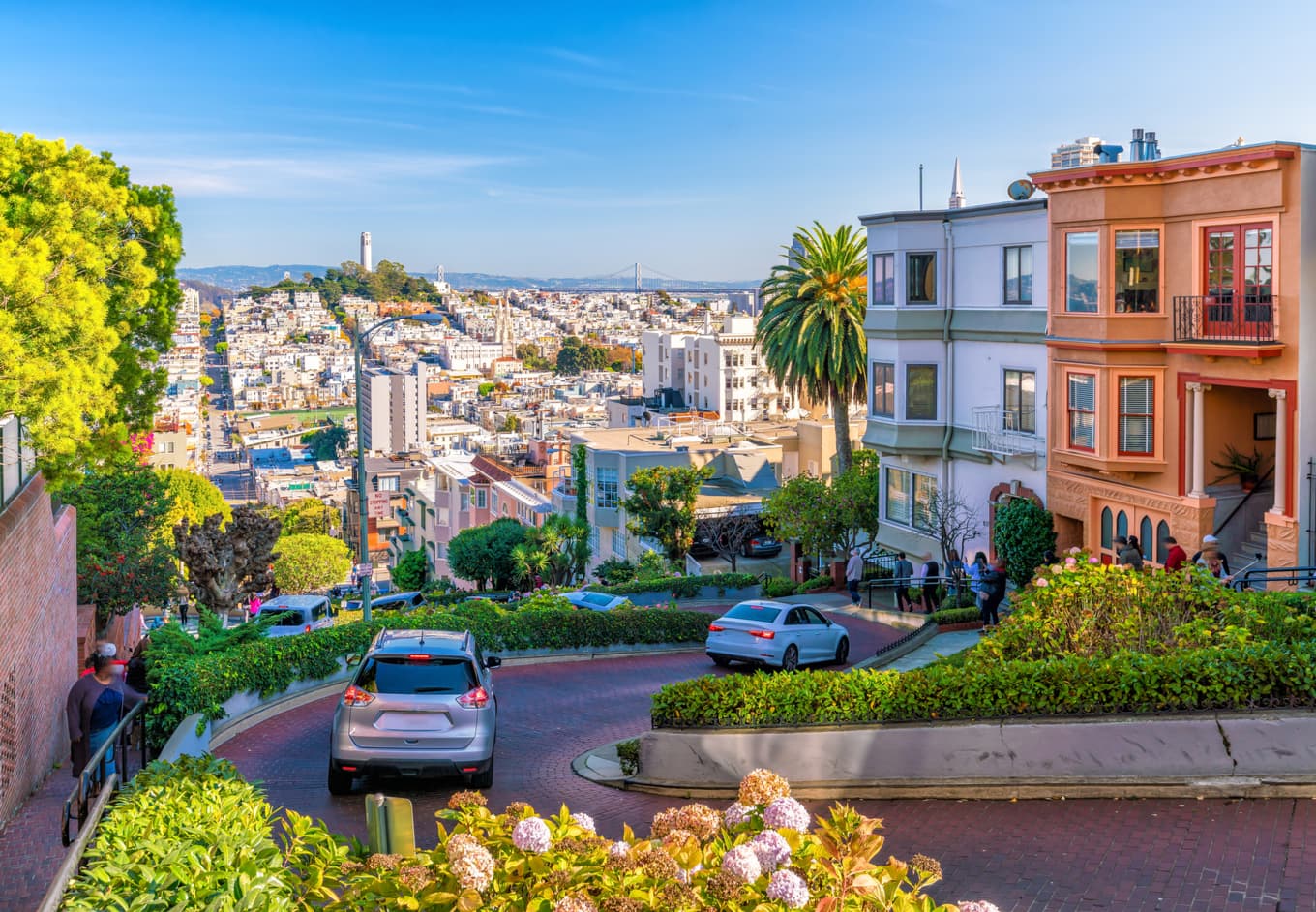
Cars winding down Lombard Street, in San Francisco, California.

If you’re looking for clear skies, less fog, mild temperatures, and fewer rainy days, September — just after Labor Day weekend — until early November is the best time to visit San Francisco. These are the city’s warmest months, providing amazing weather and the most perfect conditions to enjoy outdoor activities and explore San Francisco.

For Lowest Prices & Fewer Crowds

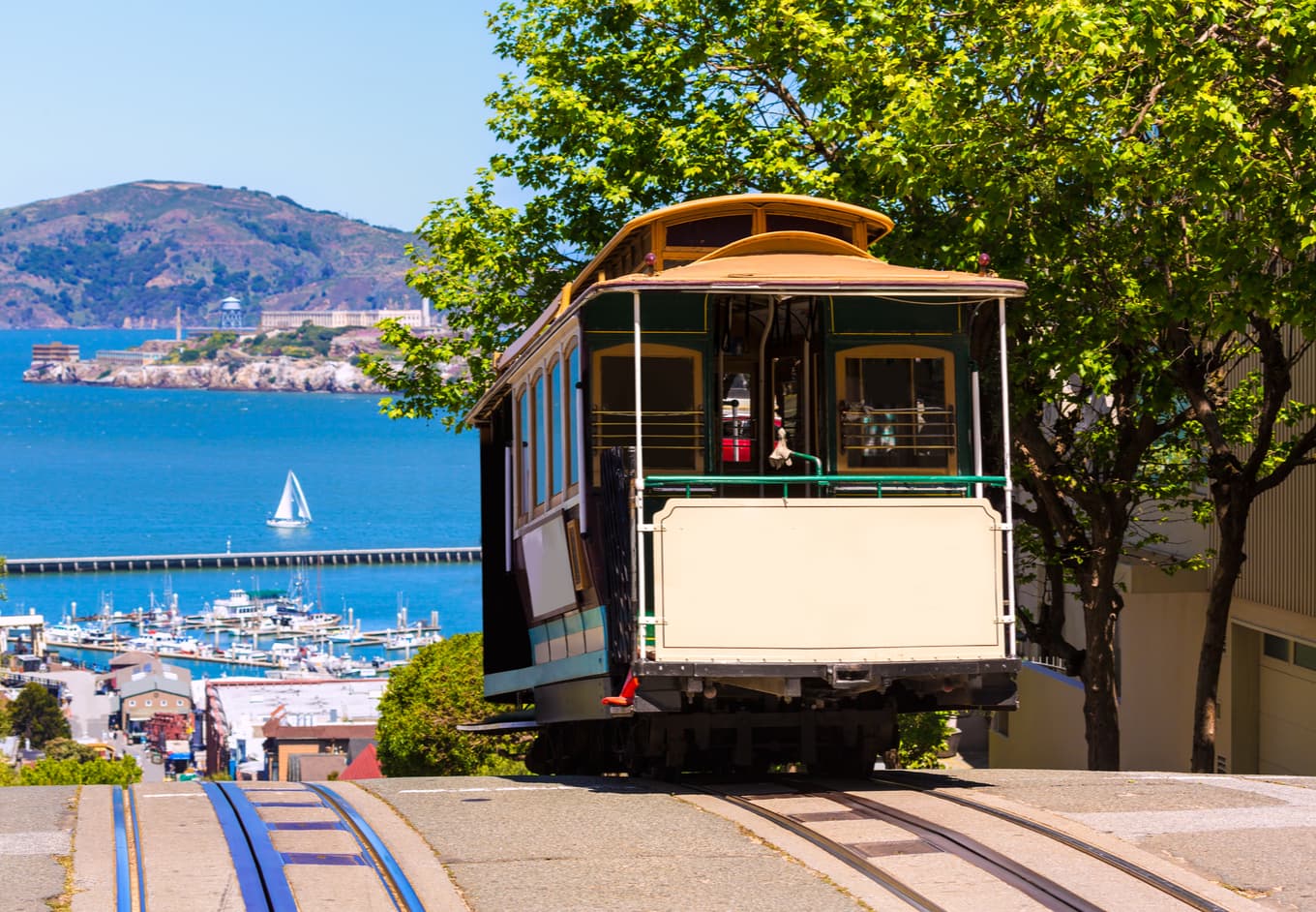
The tram in in San Francisco, California.

The most affordable time to visit San Francisco is during the winter (except the Christmas holiday week). Temperatures are colder and the rain sets in, meaning thinner crowds and lower rates for accommodations and flights.

If you travel to San Francisco in December or January rates will be 15 percent less. The cheapest month to fly to San Francisco is January.

For Activities & Events

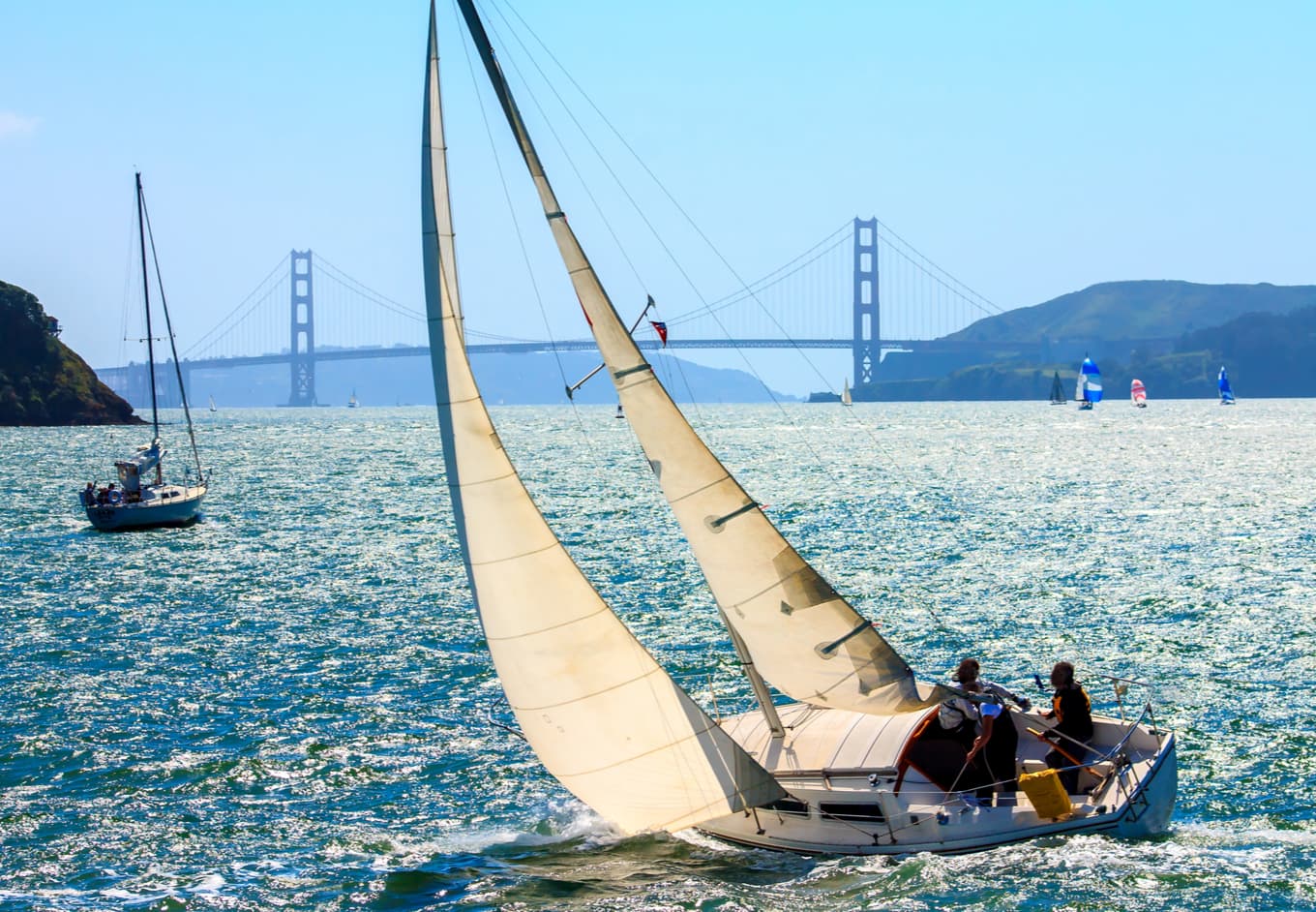
Couple sailboating in the San Francisco Bay Area, in San Francisco, California.

San Francisco has a variety of bustling events citywide running throughout the year. So, when it comes to amazing things to do in the city, every season is a good bet.

During the spring, San Francisco celebrates the eye-popping Cherry Blossom Festival (March), as well as Cinco de Mayo (May). In Marche, there’s also San Francisco’s St. Patrick’s Day Festival and Parade, the biggest Irish celebration on the West Coast.

Summer is also the perfect time to take advantage of San Francisco’s bustling calendar of events. Some of the top festivals taking place from June to August include the Haight Ashbury Street Fair, North Beach Festival, Union Street Music Festival, SF Jazz Festival, and LGBTQ Pride Weekend.

Springtime arrives bringing glorious weather and an array of dazzling experiences. Due to the weather conditions, this is a prime time to see the iconic Golden Gate Bridge and visit San Francisco’s beaches. Bucket-list festivals happening during the spring include the Folsom Street Fair, the world’s largest leather event, the San Francisco Fringe Festival, and Día de Los Muertos.

Despite the cool weather and frequent rain, winter can be a great time to visit San Francisco. During that time of year, the city is glittering with holiday lights and events, and travelers can marvel at all the beautiful Christmas displays around the town Union Square Ice Rink.

Recommended Read: The Ultimate San Francisco Travel Guide

FAQ

What is the best time for visiting San Francisco?

September is the best time for traveling to San Francisco. This is when the city experiences the “Indian Summer”, unseasonably warm weather that happens during autumn in some places in the northern hemisphere. So, if you’re looking for clear skies, less fog, mild temperatures, and no rainy days, September — just after Labor Day weekend — until early November is the best time to visit San Francisco.

What is the hottest month in San Francisco?

The hottest month of the year in San Francisco is September, with an average high of 23ºC.

Why is San Francisco foggy?

When hot air rises away from the city, it creates a low-pressure zone. This zone sucks in cold, moist air from the Pacific Ocean, bringing moisture into the local climate, and creating fog.

What is the cheapest month to visit San Francisco?

Considering flight prices and hotel rates, the cheapest month to visit San Francisco is January.

Is July a good month to visit San Francisco?

June through August corresponds to the busy summer tourist season in San Francisco. This means that the overall rates for flights and accommodation will be higher.

When is the rainy season in San Francisco?

The rainy season usually runs from late November to April.

Where to stay in San Francisco?

The best hotels in San Francisco are:

  • Aloft San Francisco Airport Hotel;
  • Hotel Nikko San Francisco;
  • San Francisco Marriott Marquis;
  • Handlery Union Square;
  • The Westin St. Francis San Francisco;
  • Hotel Drisco;
  • San Francisco Palace Hotel;
  • Holiday Inn Golden Gateway;
  • InterContinental Mark Hopkins San Francisco, an IHG Hotel.

Browse. Book. Stay.

CuddlyNest provides all accommodations to all travelers at the best price. Find unlimited travel inspiration on our blogs and our social media channels FacebookInstagramPinterest

You May Also Like:

North America Travel Guide
Most Romantic Weekend Getaways in the United States
Long Weekend Getaways in the United States
Best Family Vacations In The United States
Best National Parks In The United States
Best Cabin Rentals in the United States
Best Dog-Friendly Vacations In The United States
Best Getaways In Southern California
The Ultimate California Travel Guide
11 Off The Beaten Path Experiences In San Francisco
The 20 Best Restaurants In San Francisco
The 15 Most Instagrammable Places In San Francisco, California

Millions of places to stay, one app.

Don’t miss out on mobile-only deals and one-of-a-kind offers.

QR image

Get the app now.

Download from Apple Store button Download from Google Store button
Phones images
Europe 6 MIN READ

How to Get From Florence to Pisa: The 3 Best Ways

How to Get From Florence to Pisa: The 3 Best Ways

Europe 6 MIN READ

Beautifully set in the idyllic Tuscany region, straddling the Arno river, Pisa is one of the most legendary destinations in Italy. The city’s main attraction is the Leaning Tower of Pisa, one of the most remarkable architectural structures from medieval Europe, aside from boasting an array of fabulous things to discover, including historic churches, medieval buildings, and dreamy bridges. Pisa is also home to the ancient-old University of Pisa, which has a history going back to the 12th century, being founded by Napoleon in 1810.

Rich in history and culture, Pisa is located just 42 miles from Florence, making it a fabulous day trip from the Tuscan capital. Several transportation options such as buses, and long-distance trains link the two cities, covering the route in less than 2 hours.

To help you enjoy a one-of-a-kind trip, we’ve put together a guide to the best ways to travel from Florence to Pisa, covering 3 different transport options. Have a look below!

Find Places to Stay In Florence, Italy | Find Places To Stay in Pisa, Italy

Where Is Pisa Located?

The Leaning Tower of Pisa, in Pisa, Italy.

Pisa is located in Tuscany, on the western coast of Italy. The city is situated at the mouth of the Arno River, only 20 minutes from the Ligurian Sea.

Where to Stay In Pisa?

Skyline of the city of Pisa, in Italy.

Pisa might be a small city, but it flaunts a huge array of tourist attractions (including the worldwide famous Leaning Tower of Pisa), so you might want to reserve 2 to 3 days in order to experience the city in depth. 

The city also boasts a dazzling array of accommodations options that cater to every taste and budget. So whether you’re a couple looking for a romantic getaway or a solo traveler in search of some adventure, you’re sure to find the perfect place to stay in Pisa.

Click here to discover a well-curated list of incredible places to stay in Pisa, including comfy hotels, vacation apartments, b&bs, and more.

How To Get From Florence To Pisa

Florence to Pisa by Car

The Pisa Cathedral, in Pisa, Italy.

Driving is a great way to reach Pisa from Florence. The journey takes about an hour (64 miles) on either the SS67 (shorter route) or the A11/E76 highways, which will reward you with some of the most beautiful landscapes of the Tuscan countryside.

There are plenty of great stops between Florence and Pisa. Must-visits include Lucca, beautifully encircled by well-preserved Renaissance walls, San Gimignano, dotted with medieval towers, and Livorno, known for its alluring canals.

There will be tolls to pay along the route, so be sure you either bring Euros to pay in cash or have your debit/credit card ready.

Florence to Pisa by Train

The skyline of Pisa, Italy, at nightime.

The train is the most convenient way to travel from Florence to Pisa. There are 46 direct trains per day leaving covering the Florence-Pisa route, and the journey can take between 49 minutes to 1h30, depending on what train you choose.

Most trains depart from the Florence Santa Maria Novella Station (Firenze Santa Maria Novella) and arrive at the Pisa Train Station (Pisa Centrale Station), which is located just a few minutes away from the Pisa city center. The earliest train leaves the Florence Train Station for Pisa at 12:40 a.m. The last train to Pisa leaves Florence at 11:07 p.m (note that the train schedules and services may vary between weekdays and weekends).

The fastest way to reach Pisa from Florence is by taking the high-speed train, which can reach a maximum speed of 155 mi/h. You can opt for either the Frecciabianca or Frecciargento trains, both are operated by Trenitalia, the national railway company of Italy.

Most high-speed trains offer Wi-Fi, a food cart with snacks, air-conditioning, and electrical outlets (these amenities are not offered on regular trains – the slower trains). The high-speed train ride to Pisa takes between 46 to 50 minutes.

This journey is always direct, so you won’t stop or need to change trains.

Trenitalia also operates Intercity trains, which run on standard lines outside the high-speed network. All Intercity trains are modern and comfortable with plenty of seats, retractable tables, power sockets, air conditioning, courtesy lights, and plenty of luggage space. There are also Intercity Night trains that allow you to travel overnight in cabins with beds, berths, or seating.

If you’re traveling from Florence to Pisa on a budget you can opt for the regional trains, which usually cost around €9 (one way). There isn’t much difference in price depending on when you book the train tickets. However, these slower commute trains make stops along the way and take more time to reach the final destination (journey duration is 1h14).

While you don’t need to book train tickets to some regional trains in advance, it’s recommended that you book all high-speed train tickets ahead of time.

Florence to Pisa by Bus

The Arno River winding through Pisa, in Italy.

Alternatively, it’s also possible to reach Pisa from Florence by long-distance-bus. The buses are direct and depart from Florence’s Piazzale Montelungo bus station. They cover a distance of 43 miles in about 1h30. Your journey time may vary depending on traffic conditions along the route.

One of the most popular companies that run buses from Florence to Pisa is Flixbus. All of their buses are equipped with facilities onboard such as air-conditioning, power sockets, and luggage storage space.

Taking the bus is the perfect option for budget travelers, as tickets can be half the price of the train if you buy them at least a week or two in advance. Fares for the outbound trip can cost as little as €7.

FAQ

What is the distance between Florence and Pisa?

Pisa is located just 42 miles from Florence. The driving distance from Pisa to Florence is 50 miles, which takes about 1 hour, and 7 minutes to cover.

Is there a direct train from Florence to Pisa?

Yes. There are 46 direct services from Florence to Pisa Centrale each day.

Are there high-speed trains from Florence to Pisa?

Yes. Traveling as fast as 155 miles per hour, high-speed trains hope to make the daily journey between Florence and Pisa in just 49 minutes.

How do I get a train ticket from Florence to Pisa?

Train tickets can be bought online in advance, and directly at the train station.

How much are the Pisa train tickets?

The average ticket price for this journey costs around €9.

How many train services per day are there from Florence to Pisa?

The average number of trains departing Florence for Pisa is 48 a day.

From where do the trains from Florence to Pisa depart?

Most trains depart from the Santa Maria Novella Station, in Florence.

Can you get from Florence to Pisa by public transport?

Yes. It’s possible to reach Pisa from Florence by direct train and bus.

Is visiting Pisa worth it?

Home to iconic architecture masterpieces, and plenty of history, Pisa is definitely worth a visit and a wonderful day trip to Florence.

What is Pisa known for?

Pisa is known for harboring famous landmarks, most of them located in the history-filled Piazza dei Miracoli square, formerly known as the Piazza del Duomo. Must-visit sites include the legendary Leaning Tower of Pisa (Torre Pendente di Pisa), the Pisa Cathedral, and the Pisa Baptistery of St John (Baptistero di San Giovanni).

Browse. Book. Stay.  

CuddlyNest provides all accommodations to all travelers at the best price. Find unlimited travel inspiration on our blog and social media channels.

You Might Also Like:

The 13 Best Attractions in Rome, Italy
The 12 Best Things To Do In Berlin, Germany
The 6 Best Day Trips From Rome, Italy
The 9 Best Kid-Friendly Attractions in Rome, Italy
Rome 5 Day Itinerary: The Top Things To Do
Rome 2 Day Itinerary: The Top Things To Do
Rome 4 Day Itinerary: The Top Things To Do In The City
Rome 3 Day Itinerary: The Top Things To Do
Rome 1 Day Itinerary: The Top Things To Do
The 7 Best Places for Nightlife in Rome, Italy
The 9 Best Museums in Rome, Italy
The Best Time To Visit Rome, Italy
9 Free Things To Do In Rome, Italy
The 10 Best Restaurants in Rome, Italy
Transportation In Rome: How To Get Around The City
The 10 Best Pizza Restaurants in Rome, Italy
The 5 Best Places To Go Shopping in Rome, Italy
The Top 5 Hotels Near The Colosseum, Rome
Best Italian Breakfast: The Top Foods To Try

How To Get From Florence to Siena: The 3 Best Ways
A Complete Guide To Visiting The Cathedral of Santa Maria del Fiore, Florence
Train From Rome to Florence: Everything You Need to Know
Top 6 Things to See In Piazza Della Signoria, Florence
The Best Guide To Florence’s Piazza Del Duomo

Millions of places to stay, one app.

Don’t miss out on mobile-only deals and one-of-a-kind offers.

QR image

Get the app now.

Download from Apple Store button Download from Google Store button
Phones images
Europe 5 MIN READ

4 Best Ways To Get From Naples to Positano

4 Best Ways To Get From Naples to Positano

Europe 5 MIN READ

Positano, a small beach town on the Amalfi Coast, is famous for its picturesque coastline, stunning buildings, and amazing cuisine. It’s only 55km away from Naples which makes it a perfect location for a day trip.

Although there is no direct public transportation, there are a few great ways to get there. You can reach Positano by ferry, train, bus, and car. For more information, check out our list of the best ways to get from Naples to Positano!

Find Places To Stay In NaplesPlaces To Stay In Positano

Where Is Positano Located?

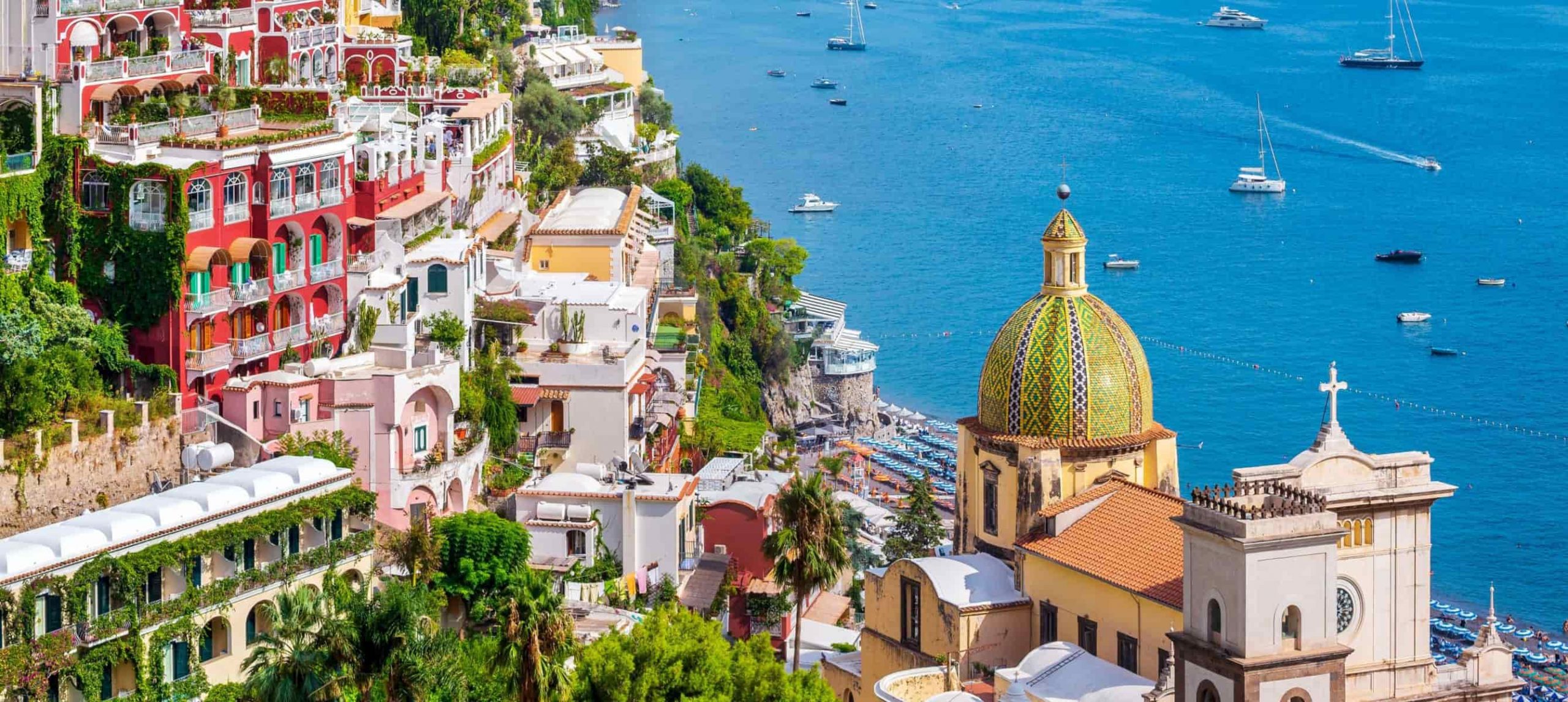
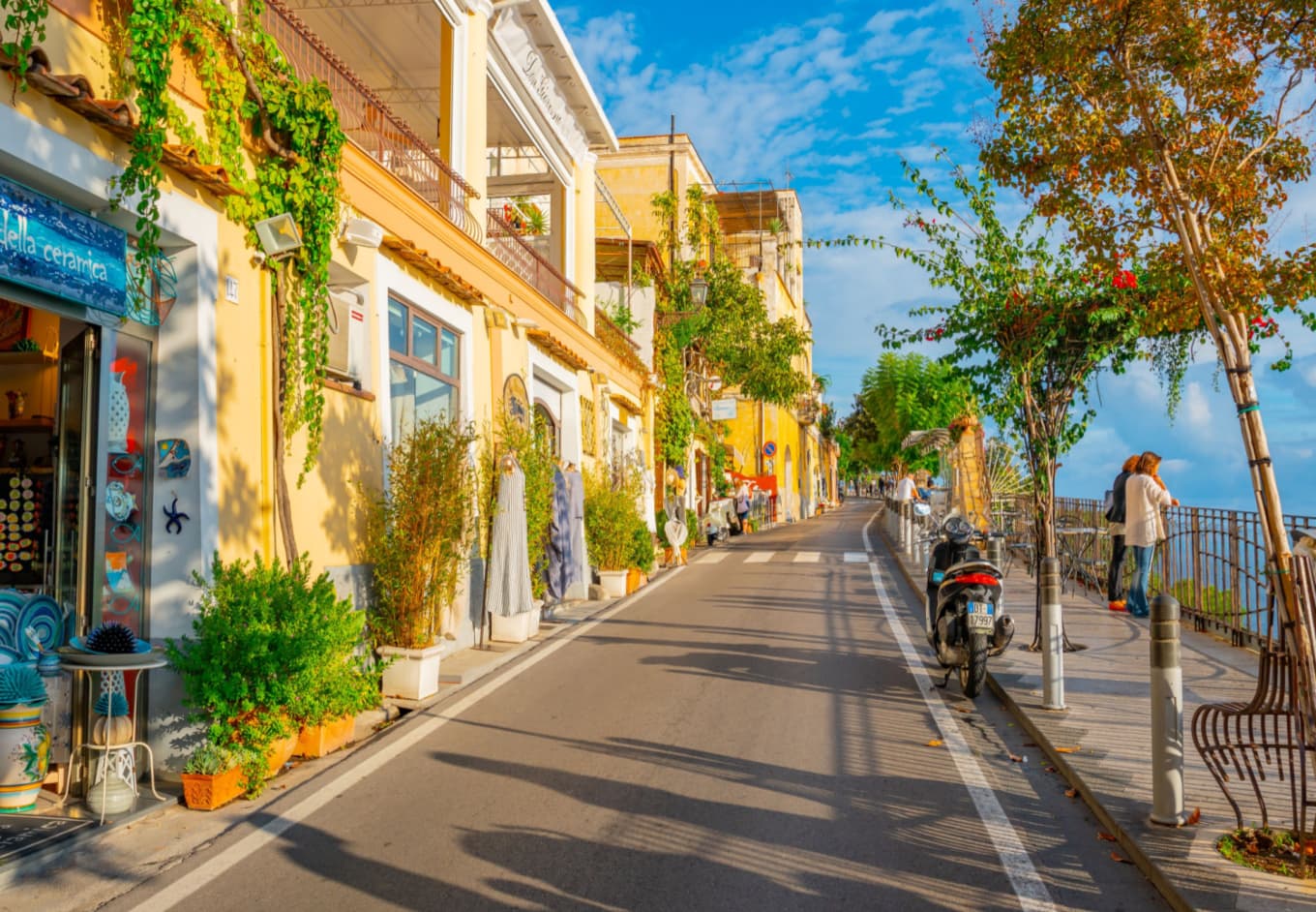
A street in Positano, Italy

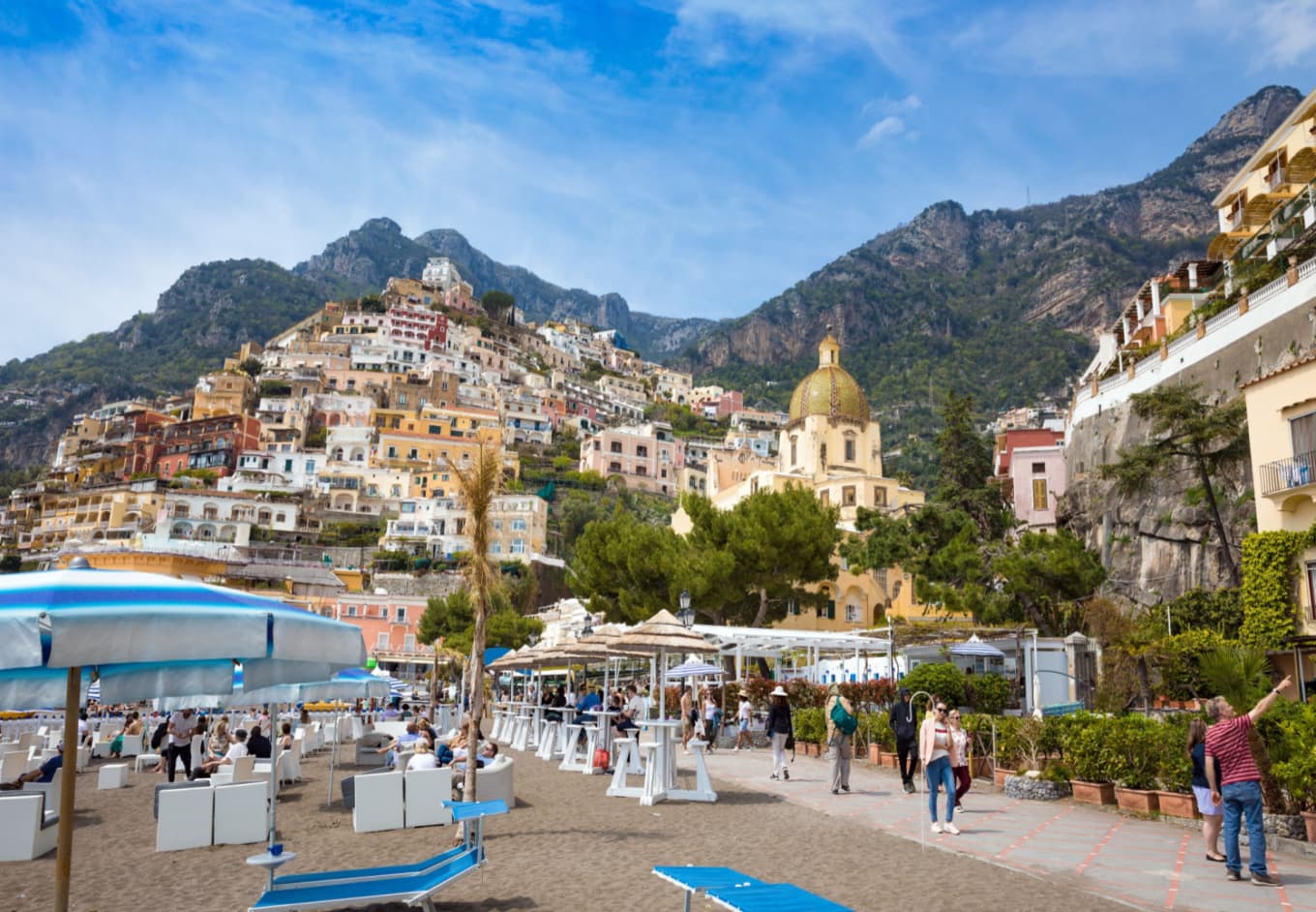
The charming town is located in the Campania region, just south of Sorrento. Its colorful homes, top-notch dining, and scenic coastline are recognized worldwide.

Also Read: The Best Hotels In Naples, Italy — Find your dream stay at the best prices, only on CuddlyNest

How To Get From Naples To Positano?

Naples To Positano By Ferry

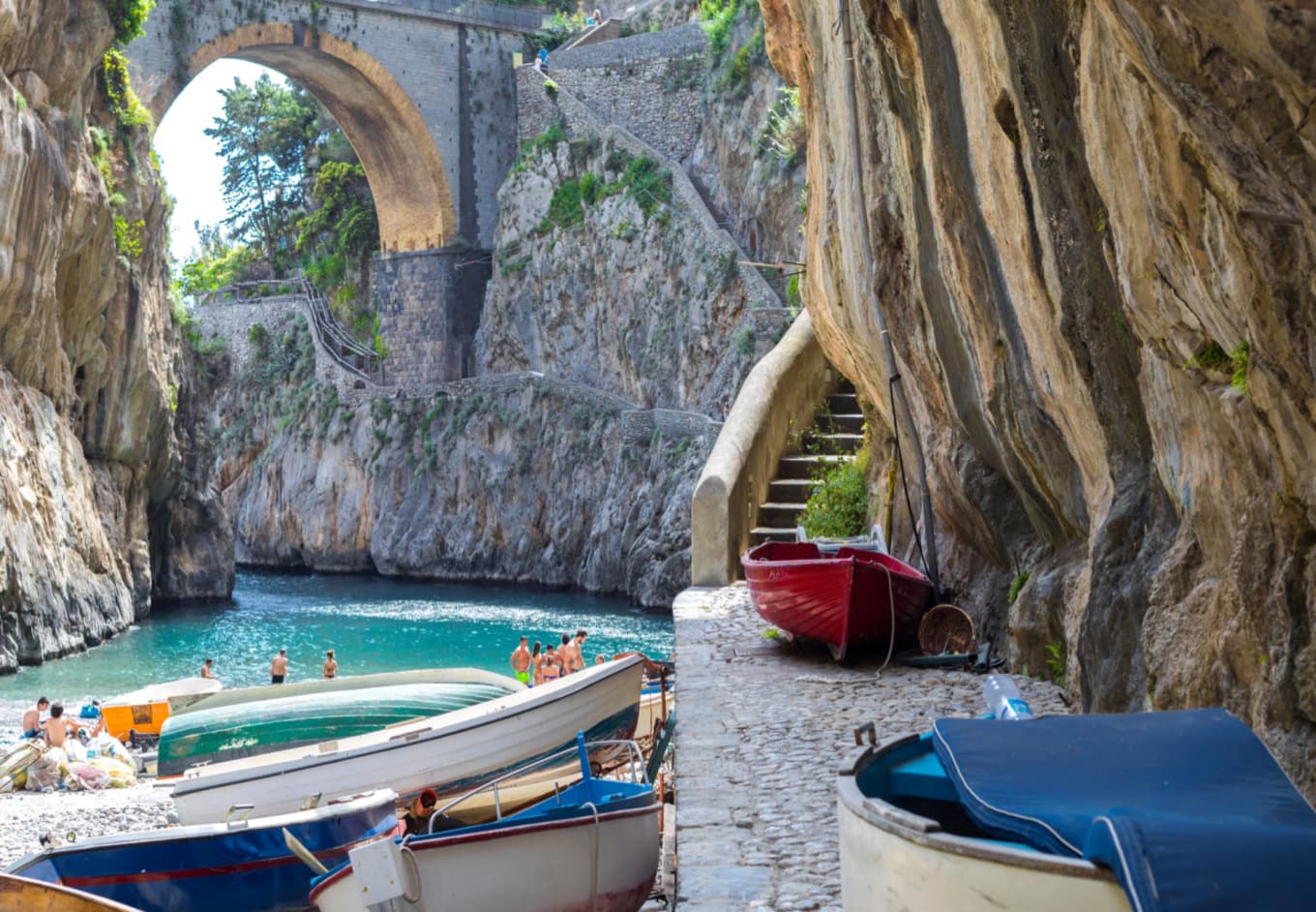
A beach with boats on the shore, Positano

If you have extra time, take a ferry ride from Naples to Sorrento and then board a smaller ferry to Positano. Ferries depart from the Moro Beverello Pier and it takes 40 minutes to reach Sorrento. The port in Sorrento is right by the beach, but if you want to take a break before boarding a ferry to Positano, you’ll need to climb roughly 100 steep steps to get to the town’s center.

When you’re ready to continue, we suggest you take one of the high-speed ferries that run several times a day. You can purchase tickets at the ticket office, online, or when you board.

Important: The ferry between Sorrento and Positano only runs from April to October.

Ticket Cost: Naples to Sorrento €13, Sorrento to Positano €20

Travel Time: about 85 minutes

Naples To Positano By Train And Ferry

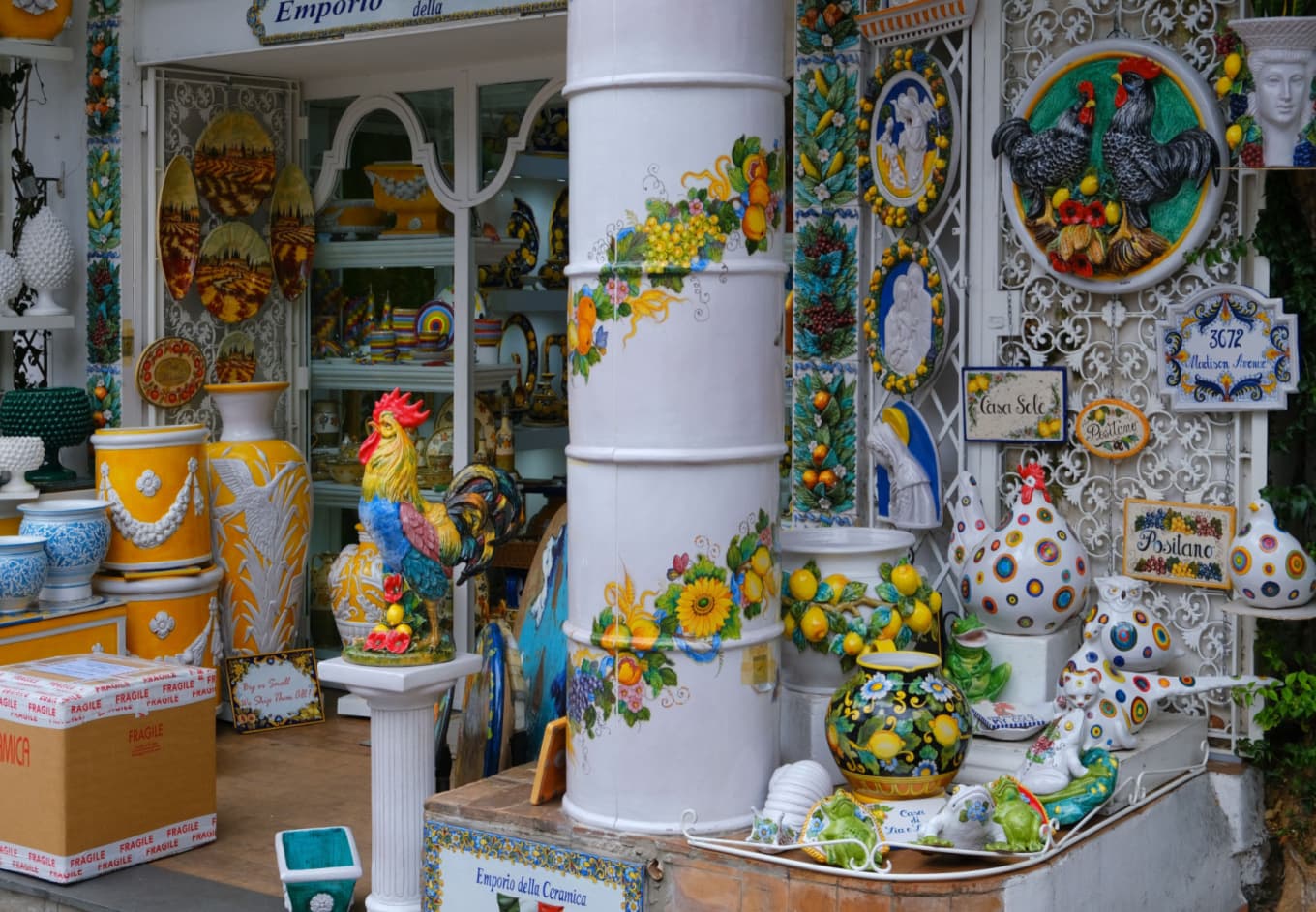
A souvenir shop in Positano

A simple way to reach Positano is to take a train to Salerno or Sorrento and then a ferry. Dozens of trains depart from Napoli Centrale Station or Piazza Garibaldi. You can choose to travel by a high-speed train Freccia (Campania Express train) or a regular Circumvesuviana train that’s slower. The difference is that high-speed trains have air conditioning, extra luggage space, and free Wi-Fi while regular ones don’t. Circumvesuviana trains depart every 30 minutes, from 6 AM to 11 PM (during peak season). This trip takes an hour and ten minutes. They’re a great budget-friendly option, but they’re often overcrowded.

In Salerno or Sorrento, two ferry companies can take you to Positano. The Travelmar service travels more frequently but takes twice as long as the NLG service which runs once a day and takes 35 minutes. It’s best to book a ferry ticket in advance, if not – you’re likely to find a spot on the Travelmar ferry.

Important: You can’t reserve your spot in advance for regular local trains. Instead, take a fast train or get to the train station as early as possible to buy a ticket for a regular one. Local train tickets are sold out quickly during the summer months.

Ticket Cost: Circumvesuviana train €3, Campania express train €7, ferry ride €20

Travel Time: 1-3 hours

Naples To Positano By Bus

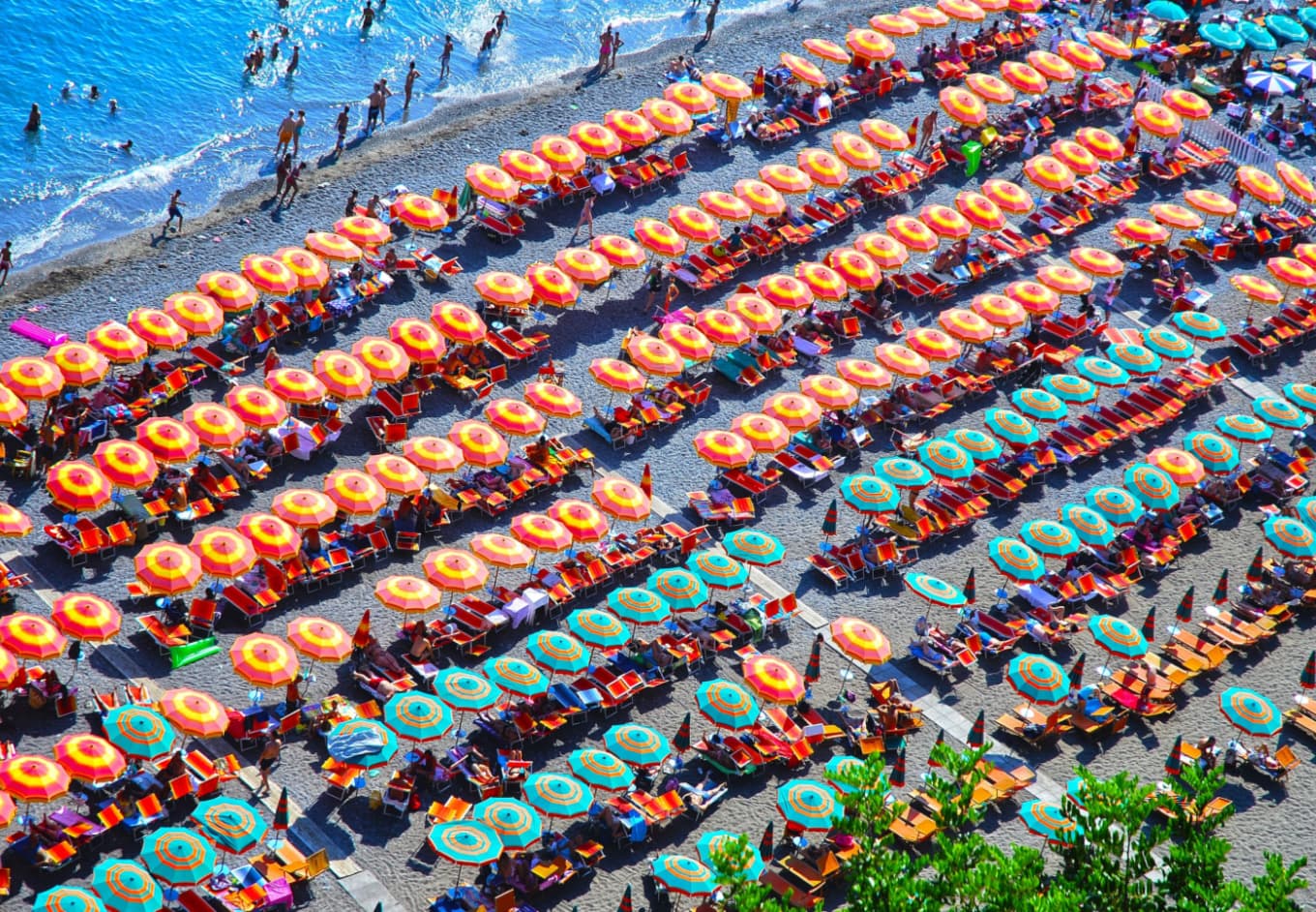
A beach full of colorful umbrellas in Positano

Take the Curreri Viaggi shuttle service from the Naples airport to the Sorrento bus station. Most buses on this route have air conditioning and sufficient space for luggage.

With stops in Positano and Praiano, the Sita bus company operates from the Sorrento train station to the coast of Amalfi. The trip takes about 45 minutes and the bus departs every 30 minutes from 6:30 AM to 7:30 PM. You can purchase tickets at local cigarette shops and newspaper stands. As these buses are sometimes completely sold out, a ticket does not always guarantee you a seat.

Ticket Cost: €10-12

Travel Time: 1-1.5 hours

Naples To Positano By Car

People walking near the beach in Positano

The fastest way to get to Positano is by car, however, you need to be aware of the new number plate system. For example, to stay in Positano for an even number of days during peak season you must rent a car with license plates that correspond to your visit (if you arrive on August 8th, you also must leave on an even date). The same system works for the odd number of days. Overall, this is limiting the number of cars that can enter the towns on the Amalfi Coast. However, these restrictions do not apply to taxi and car services.

If you decide to take a car, get on the A3 Autostrada in the direction of Sorrento. Then, take the Via Nastro Azzuro exit and get on the SS 163 highway to reach Positano.

Important: Take a sat nav with you to avoid getting lost.

Cost: €105+

Travel Time: 1.5 hours

FAQ

What is the fastest way to get to Positano from Naples?

The fastest way to get to Positano from Naples is by car.

Is there a direct train from Naples to Positano?

No, there is no direct train from Naples to Positano. Take a train to Salerno or Sorrento and then hop on a ferry to Positano.

Is there a direct ferry from Naples to Positano?

Although there are no direct ferries from Naples to Positano, you can simply take a ferry to Sorrento and then to Positano.

Is there a private car transfer from Naples to Positano?

Yes, you can book a private transfer to Positano. The driver will pick you up at your accommodation and will take care of your luggage. It’s a good way to avoid long lines if your budget allows this option. The service starts at around €130 with additional fees.

Is Positano worth visiting?

Yes! The colorful houses built in the rock, lemon shops, and traditional meals are simply magnificent.

Browse. Book. Stay.

CuddlyNest provides all accommodations to all travelers at the best price. Find unlimited travel inspiration on our blog and social media channels:
FacebookInstagramPinterest, and X.

You Might Also Like:

How To Travel From Rome To Capri: 3 Ways
Top 6 Things to See In Piazza Della Signoria, Florence
How to Get From Rome to Pompeii: The 4 Best Ways
How To Get From Milan To Cinque Terre: 4 Ways
Train From Rome to Florence: Everything You Need to Know
Two Fun Ways To Travel From Naples To Capri
The Best Guide To Florence’s Piazza Del Duomo
6 Awesome Things To Do In Catania, Italy

Millions of places to stay, one app.

Don’t miss out on mobile-only deals and one-of-a-kind offers.

QR image

Get the app now.

Download from Apple Store button Download from Google Store button
Phones images